Education Loan for Canada: Eligible Banks & Loan Process Explained
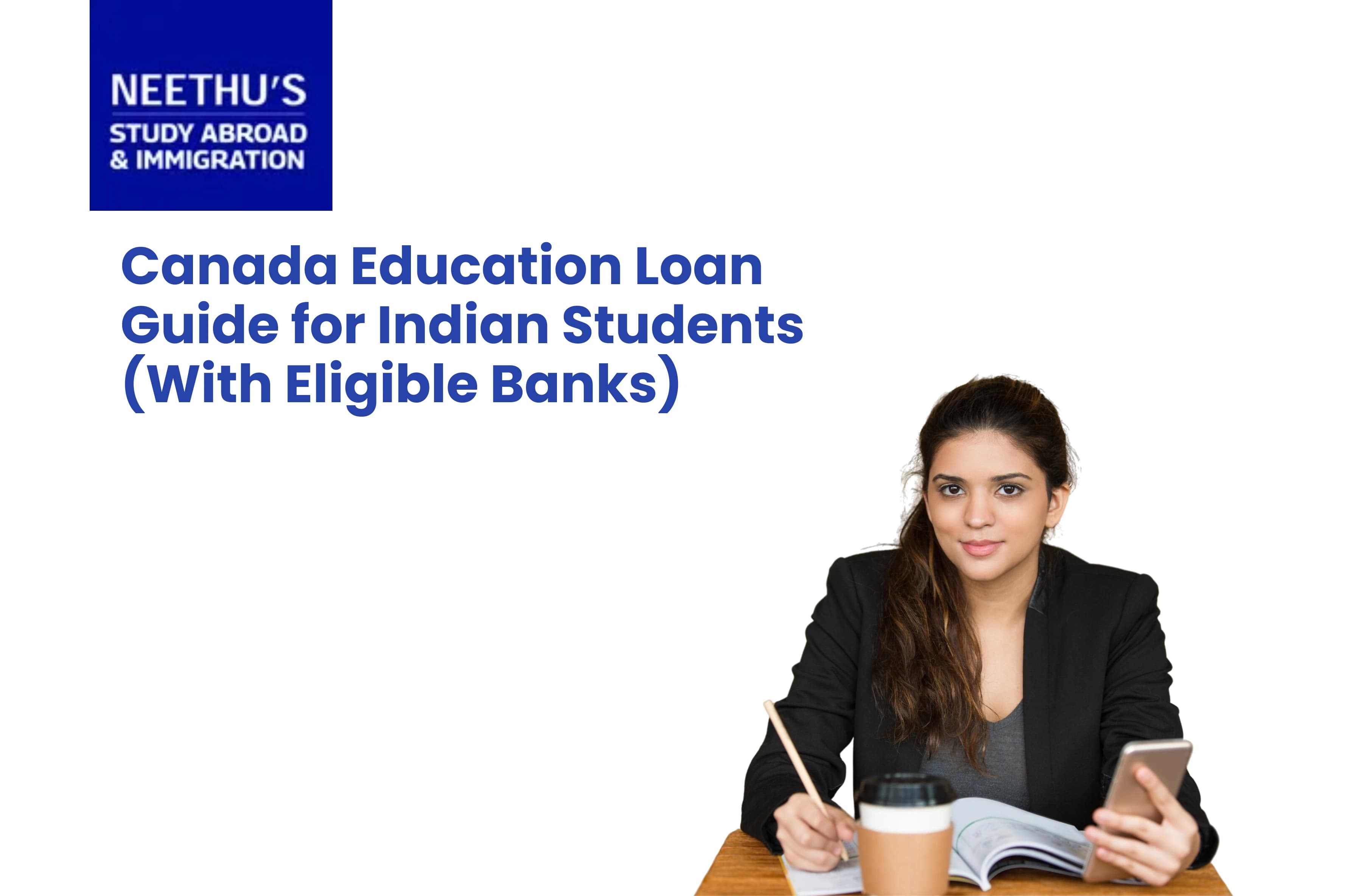
Pursuing higher studies in Canada is a dream for several students from India, due to their world-class institutions, post-study work opportunities, and ease of getting PR in Canada. The biggest concern for students would be the cost of education as well as living in Canada. That’s where education loans for Canada come into action.
Through this comprehensive blog, we will provide you with all the information that is necessary regarding the Canada study loan options so that you can plan your finances accordingly.
Why Indian Students Choose Education Loans for Canada
The average tuition fee for education in Canada varies between ₹15-40 lakhs. Additionally, an education loan will help finance the following:
-
Tuition Fees
-
Housing costs
-
GIC Amount
-
Travel and visa costs
-
The books, the laptop, and insurance
With flexible repayment terms and moratorium periods, banks providing education loans for Canada make foreign education easier to access.
Types of Study Loans (Secured vs Unsecured)
Before applying, one needs to familiarise oneself with the two primary forms of Canadian education loans that are available.
Secured Education Loans
These loans are collateralised with things like land, fixed deposits, and insurance.
Major Features:
-
Lower interest rates
-
Larger loan amount (upto ₹1.5 Crores)
-
Longer repayment terms
Most suitable for: Students seeking a masters’ program at public institutions or expensive courses.
Unsecured Education Loans
For these loans, collateral is not required, but it depends on educational background, university rankings, and income from the co-applicant.
Major features:
Faster processing
-
Higher Interest Rates
-
Loan amount does not exceed ₹40-50 lakhs
-
Best for: Students who get accepted into prestigious institutions or programs.
Eligibility Requirements for Indian Students
Even though requirements vary with lenders, most Canadian student loans follow these:
-
Indian citizenship
-
Acceptance letter from a recognised Canadian institution
-
Age between 18 and 35 years
-
Good academic background
-
Co-application by parent/guardian having a regular income
-
Acceptable CIBIL Score ( usually 650+)
In addition, they may also assess employability ROI or ROI for courses.
Top Banks & NBFCs That Offer Loans
Below is a list of leading banks that provide education loans for Indian students in Canada:
Public Sector Banks
-
State Bank of India (SBI) – Global Ed-Vantage scheme
-
Bank of Baroda – Baroda Scholar Loan
-
Punjab National Bank (PNB)
-
Canara Bank
-
Union Bank of India
Private Banks
-
ICICI Bank
-
Axis Bank
-
IDFC First Bank
NBFCs
-
HDFC Cred
-
Avanse Education Loans
-
Auxilo Finance
The interest rates are low in public banks, while the processing times are faster in NBFCs.
Interest Rates, Moratorium & EMI Planning
Interest Rates
-
Public banks: 8.5% – 11%
-
Private banks & NBFCs: 10% – 14%
Interest rates vary based on collateral, university ranking, and coapplicant profile.
Moratorium Period
Most of the lenders offer a moratorium for covering:
Course duration + 6 to 12 months
You can either pay simple interest during this period or start a full EMI later.
EMI Planning Tips
-
Opt for a longer tenure (10–15 years) to ease the EMI burden.
-
Avail partial prepayment while working.
-
Track the impact of currency exchange on the repayment end
Smart EMI planning brings down financial stress after graduation.
Documents Required for Loan Sanction
Preparing the documents well in advance fastens up the approval for an Education Loan to Canada.
Student Documents
-
Offer letter from a Canadian university
-
Original academic mark sheets and certificates
-
Passport and visa, or proof of application for a visa
-
SOP and fee structure
Co-Applicant Documents
-
Proof of income-includes salary slips/ IT returns.
-
Bank Statements (for the last 6 months)
-
Identity and address proof
-
Collateral Documents, if applicable
-
Property papers
-
Valuation and legal reports
Loan Approval Tips & Common Mistakes
How to Increase the Likelihood of Approval:
-
Apply early (3-4 months prior to admission)
-
Keep your CIBIL Score Healthy
-
Select ranked universities
-
Ensure accurate documentation
-
Estimate costs realistically
Common Mistakes to Avoid
-
Applying without confirmed admission
-
Ignoring Exchange Rate Changes
-
Over-borrowing without repayment plans
-
Incomplete document submissions
-
Working with the same lender
These mistakes can be avoided to save time and avoid rejection.
Conclusion
A Canadian education loan is not just about receiving funds, but an investment in your global career. There are multiple options for Canada study loan India, available via banks and NBFCs. Indian students can comfortably fund their education if they plan smart and apply early.
By understanding the type of loan, eligibility criteria, rate of interest, and documentation required, you will be smoothly funded and can concentrate on what is truly important: your studies and future in Canada.
Frequently Asked Questions
Is collateral required for Canada study loan?
While higher loan amounts would require collateral, several NBFCs also extend unsecured loans.
How long does loan approval take?
Loan sanctions usually range from 7-30 days, depending on the lender and documentation.
Can I apply for a visa with a loan sanction letter?
Yes, a loan sanction letter is accepted as financial proof for Canada for a student visa.
Does CIBIL score matter for education loan?
Indeed, a good CIBIL score improves the chances of approval and gives access to even lower interest rates.







































_03-12-2025_01-17-26%20PM.webp&w=3840&q=75)
_02-12-2025_03-07-49%20PM.webp&w=3840&q=75)

_27-11-2025_04-06-24%20PM.webp&w=3840&q=75)
_25-11-2025_04-38-18%20PM.webp&w=3840&q=75)
_24-11-2025_03-20-26%20PM.webp&w=3840&q=75)
_22-11-2025_12-44-47%20PM.webp&w=3840&q=75)
_21-11-2025_04-17-47%20PM.webp&w=3840&q=75)
_20-11-2025_03-55-26%20PM.webp&w=3840&q=75)
_18-11-2025_04-00-40%20PM.webp&w=3840&q=75)
_15-11-2025_10-48-43%20AM.webp&w=3840&q=75)
%20(1)_14-11-2025_03-52-25%20PM.webp&w=3840&q=75)
_13-11-2025_03-02-38%20PM.webp&w=3840&q=75)
_08-11-2025_04-15-36%20PM.webp&w=3840&q=75)
_05-11-2025_04-01-50%20PM.webp&w=3840&q=75)
_05-11-2025_03-46-26%20PM.webp&w=3840&q=75)
_03-11-2025_03-31-09%20PM.webp&w=3840&q=75)
_04-11-2025_.webp&w=3840&q=75)
_04-11-2025_.webp&w=3840&q=75)
_28-10-2025_04-09-08%20PM.webp&w=3840&q=75)
_24-10-2025_05-10-31%20PM.webp&w=3840&q=75)
_24-10-2025_04-55-51%20PM.webp&w=3840&q=75)
_22-10-2025_04-40-20%20PM.webp&w=3840&q=75)
%20(1)_21-10-2025_03-05-46%20PM.webp&w=3840&q=75)
_21-10-2025_02-43-15%20PM.webp&w=3840&q=75)
_17-10-2025_05-08-52%20PM.webp&w=3840&q=75)
_17-10-2025_04-54-54%20PM.webp&w=3840&q=75)
_15-10-2025_03-46-47%20PM.webp&w=3840&q=75)
_14-10-2025_03-42-40%20PM.webp&w=3840&q=75)
_14-10-2025_03-29-48%20PM.webp&w=3840&q=75)
_13-10-2025_03-48-51%20PM.webp&w=3840&q=75)
_11-10-2025_04-28-42%20PM.webp&w=3840&q=75)
%20(1)_09-10-2025_04-12-08%20PM.webp&w=3840&q=75)

_07-10-2025_02-55-25%20PM.webp&w=3840&q=75)
_07-10-2025_02-39-51%20PM.webp&w=3840&q=75)
_06-10-2025_03-42-37%20PM.webp&w=3840&q=75)
_03-10-2025_04-42-59%20PM.webp&w=3840&q=75)
_01-10-2025_11-12-12%20AM.webp&w=3840&q=75)
%20(1)_29-09-2025_02-54-12%20PM.webp&w=3840&q=75)

_26-09-2025_12-14-18%20PM.webp&w=3840&q=75)
_24-09-2025_04-44-26%20PM.webp&w=3840&q=75)
_23-09-2025_04-14-36%20PM.webp&w=3840&q=75)
_22-09-2025_04-08-09%20PM.webp&w=3840&q=75)
_20-09-2025_03-26-03%20PM.webp&w=3840&q=75)
_17-09-2025_04-06-42%20PM.webp&w=3840&q=75)
_15-09-2025_04-43-43%20PM.webp&w=3840&q=75)
_13-09-2025_12-17-49%20PM.webp&w=3840&q=75)
_12-09-2025_04-31-36%20PM.webp&w=3840&q=75)
_12-09-2025_04-17-03%20PM.webp&w=3840&q=75)
_10-09-2025_03-59-59%20PM.webp&w=3840&q=75)
_09-09-2025_04-11-16%20PM.webp&w=3840&q=75)
_09-09-2025_03-53-52%20PM.webp&w=3840&q=75)

















































_12-06-2025_03-40-35%20PM.webp&w=3840&q=75)