English-Taught Programs in Germany for International Students | Study in Germany in English
_03-12-2025_01-17-26%20PM.webp&w=3840&q=75)
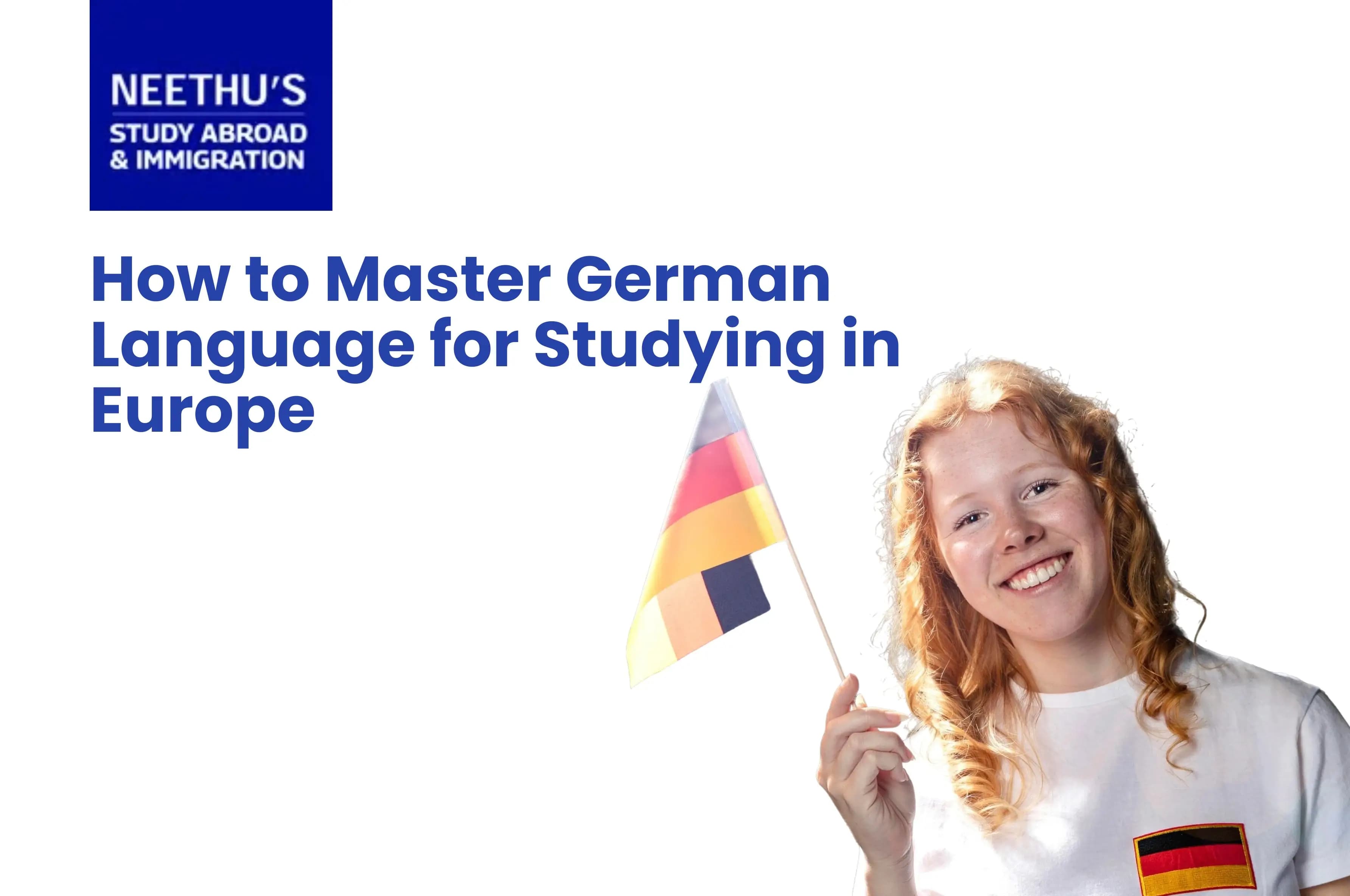
Studying in Germany is no longer limited to those who fluently speak the German language; thousands of students today choose English-taught programs in the country, making it one of the most attractive destinations for international learners. Globally ranked universities, combined with affordable tuition and a growing number of programs taught fully in English, make Germany an excellent pathway for those who want a world-class education with no language barrier. Be it engineering, management, science, or humanities, you can now study in Germany in English even if you have zero proficiency in German.
Overview - Rise of English-Taught Courses
Over the last decade, Germany has seen an unprecedented growth in the number of English-taught programs, largely at the Master’s level. According to reports from DAAD, Germany now hosts more than 1,800+ programs that are taught entirely in English, placing it as one of the top non-English speaking countries offering international-friendly education.
Several reasons explain this trend:
-
Germany intends to attract global talent towards meeting the demand for skilled labour.
-
Universities seek to develop more international research collaborations.
-
Students prefer high-quality education without tuition fees, in public universities.
-
English has become the common academic language for global fields like engineering, tech, and business.
That means you can now find universities in Germany without German requirements for a large number of degrees, especially within STEM, business, and the social sciences.
Popular Fields Offered in English
Germany provides English-language degrees in an array of areas. The major areas that attract several students are:
- Engineering & Technology
- Mechanical engineering
- Electrical engineering
- Automotive systems
- Computer science
- Data science & AI
These programs are highly employment-oriented because of Germany's dominance in technology and industry.
2. Business & Management
- MBA and Executive MBA
- International business
- Supply chain management
- Finance and economics
These programs often include industry projects among multinational companies.
3. Natural Sciences
- Physics
- Chemistry
- Molecular biology
- Environmental sciences
Many courses incorporate advanced labs, research, and academic mentorship.
4. Social Sciences & Humanities
- International relations
- Global history
- Political science
- Psychology (select programs)
5. Medicine & Health Sciences
While most of the medical MBBS programs are in German, many Master's level programs such as Public Health, Biomedical Sciences, or Neurosciences, are taught in English.
Whether you want to pursue a Bachelor's or Master's, you'll find many options to study in Germany in English without needing prior German skills.
Top Universities Offering English-Taught Programs
Full programs at most leading German universities are offered in English at the Bachelor's and Master's levels. Some of these top institutions include:
1. Technical University of Munich (TUM)
Known for engineering, computer science, and natural sciences, TUM offers numerous English Master’s courses and regularly ranks among the top universities in Europe.
2. Ludwig Maximilian University Munich (LMU)
Offers a variety of international master's programs in humanities, sciences, and social sciences.
3. RWTH Aachen University
A powerhouse in engineering and technology with various English-taught M.Sc. programs.
4. University of Freiburg
Offers English programs in environmental sciences, physics, and global studies.
5. Humboldt University Berlin
Known for English-taught programs in political science, humanities, and research-based sciences.
6. University of Bonn
Popular for international Master's degrees in mathematics, computer science, and agricultural sciences.
7. University of Mannheim
Globally renowned for business administration, management, and economics.
8. Frankfurt School of Finance & Management (Private)
Top choice for finance, banking, and MBA programs-fully in English.
You will also find hundreds of universities in Germany that have no German language requirements for postgraduate students across public and private institutions.
Eligibility & Language Requirements
While these programs are taught in English, there are still some academic and language requirements that you need to fulfill.
1. Academic Eligibility
-
Bachelors: 10+2 with good grades depending on the course.
-
Master's: Relevant bachelor's degree with required GPA.
Some programs may require:
Motivation letter
CV
GRE/GMAT in some business or engineering graduate programs
Portfolio-for creative programs
2. English Language Requirements
Most universities require proof of proficiency in English through:
- IELTS (6.0–7.0)
- TOEFL (80–100 iBT)
- PTE 55–65
Some accept Medium of Instruction (MOI)—varies by university.
3. German Language Requirements
- German is not required for English-taught programs.
- Basic German A1–B1 is helpful for:
- part-time jobs
- internships
- daily communication
- Long-term settlement
Job Opportunities after English-Taught Degrees
The graduates from English-medium programs have very bright prospects of getting employed, especially in IT, engineering, finance, biotechnology, and research fields.
Key Benefits
-
Access to Germany's 18-month job-seeking visa.
-
Strong demand for skilled professionals within the fields of technology, healthcare, engineering, and data science.
-
Opportunity to work in multinational companies for which English is the working language.
-
Knowing German considerably enhances employment opportunities, especially for interaction-based jobs in consulting, management, health care, and public sector jobs.
-
Even with an English degree, a student who has proficiency in B1/B2 German has far better chances of securing full-time employment.
Tips for Students Who Don't Know German
If you want to study in Germany entirely in English but don't have German skills, here is how to succeed:
1. A1 level German learning before arrival
Even basic knowledge helps you manage daily life.
2. Use Language Apps & Free Tools
Duolingo, Babbel, or YouTube channels can build foundational vocabulary.
3. Attend a German Integration Course or Language Course After Arrival
Most universities offer inexpensive or free German classes.
4. Network with International and Local Students
It accelerates cultural adaptation and improves communication.
5. Apply Early
The programs taught in English are usually filled well in advance; thus, apply at least 6–9 months before deadlines.
6. Internship Experience
Even short internships increase job prospects and help improve language skills.
Conclusion
This rapid expansion of English-taught programs has opened the door for international students to access world-class education without requiring proficiency in German. From engineering and business to sciences and humanities, today it is possible to study in Germany in English, with low tuition fees, global exposure, and strong career outcomes. While German is usually not required for enrollment, acquiring it during or after your studies could make a great difference in job opportunities and integration. Properly planned and attuned to language preparation, Germany offers an affordable and rewarding education pathway for international students from all over the world.
Frequently Asked Questions
1. Can I study in Germany without knowing German?
You can definitely study in Germany without German through many English-taught programs, especially at the Master's level.
2. Which German universities offer courses in English?
Top universities like TUM, RWTH Aachen, LMU Munich, Heidelberg, and Freiburg have plenty of English-medium programs.
3. Is IELTS required for English programs?
Yes, most universities require IELTS or its equivalent English proficiency tests for admission.
4. Will job opportunities be affected because I study in English?
You can find jobs with an English-medium degree, but learning German improves your employability by a great margin.




























_02-12-2025_03-07-49%20PM.webp&w=3840&q=75)
_27-11-2025_04-06-24%20PM.webp&w=3840&q=75)
_25-11-2025_04-38-18%20PM.webp&w=3840&q=75)
_24-11-2025_03-20-26%20PM.webp&w=3840&q=75)
_22-11-2025_12-44-47%20PM.webp&w=3840&q=75)
_21-11-2025_04-17-47%20PM.webp&w=3840&q=75)
_20-11-2025_03-55-26%20PM.webp&w=3840&q=75)
_18-11-2025_04-00-40%20PM.webp&w=3840&q=75)
_15-11-2025_10-48-43%20AM.webp&w=3840&q=75)
%20(1)_14-11-2025_03-52-25%20PM.webp&w=3840&q=75)
_13-11-2025_03-02-38%20PM.webp&w=3840&q=75)
_08-11-2025_04-15-36%20PM.webp&w=3840&q=75)
_05-11-2025_04-01-50%20PM.webp&w=3840&q=75)
_05-11-2025_03-46-26%20PM.webp&w=3840&q=75)
_03-11-2025_03-31-09%20PM.webp&w=3840&q=75)
_04-11-2025_.webp&w=3840&q=75)
_04-11-2025_.webp&w=3840&q=75)
_28-10-2025_04-09-08%20PM.webp&w=3840&q=75)
_24-10-2025_05-10-31%20PM.webp&w=3840&q=75)
_24-10-2025_04-55-51%20PM.webp&w=3840&q=75)
_22-10-2025_04-40-20%20PM.webp&w=3840&q=75)
%20(1)_21-10-2025_03-05-46%20PM.webp&w=3840&q=75)
_21-10-2025_02-43-15%20PM.webp&w=3840&q=75)
_17-10-2025_05-08-52%20PM.webp&w=3840&q=75)
_17-10-2025_04-54-54%20PM.webp&w=3840&q=75)
_15-10-2025_03-46-47%20PM.webp&w=3840&q=75)
_14-10-2025_03-42-40%20PM.webp&w=3840&q=75)
_14-10-2025_03-29-48%20PM.webp&w=3840&q=75)
_13-10-2025_03-48-51%20PM.webp&w=3840&q=75)
_11-10-2025_04-28-42%20PM.webp&w=3840&q=75)
%20(1)_09-10-2025_04-12-08%20PM.webp&w=3840&q=75)
_07-10-2025_02-55-25%20PM.webp&w=3840&q=75)
_07-10-2025_02-39-51%20PM.webp&w=3840&q=75)
_06-10-2025_03-42-37%20PM.webp&w=3840&q=75)
_03-10-2025_04-42-59%20PM.webp&w=3840&q=75)
_01-10-2025_11-12-12%20AM.webp&w=3840&q=75)
%20(1)_29-09-2025_02-54-12%20PM.webp&w=3840&q=75)

_26-09-2025_12-14-18%20PM.webp&w=3840&q=75)
_24-09-2025_04-44-26%20PM.webp&w=3840&q=75)
_23-09-2025_04-14-36%20PM.webp&w=3840&q=75)
_22-09-2025_04-08-09%20PM.webp&w=3840&q=75)
_20-09-2025_03-26-03%20PM.webp&w=3840&q=75)
_17-09-2025_04-06-42%20PM.webp&w=3840&q=75)
_15-09-2025_04-43-43%20PM.webp&w=3840&q=75)
_13-09-2025_12-17-49%20PM.webp&w=3840&q=75)
_12-09-2025_04-31-36%20PM.webp&w=3840&q=75)
_12-09-2025_04-17-03%20PM.webp&w=3840&q=75)
_10-09-2025_03-59-59%20PM.webp&w=3840&q=75)
_09-09-2025_04-11-16%20PM.webp&w=3840&q=75)
_09-09-2025_03-53-52%20PM.webp&w=3840&q=75)


























_12-06-2025_03-40-35%20PM.webp&w=3840&q=75)