New Immigration Rules for Kerala Students: How Study Abroad Plans Are Changing in 2026
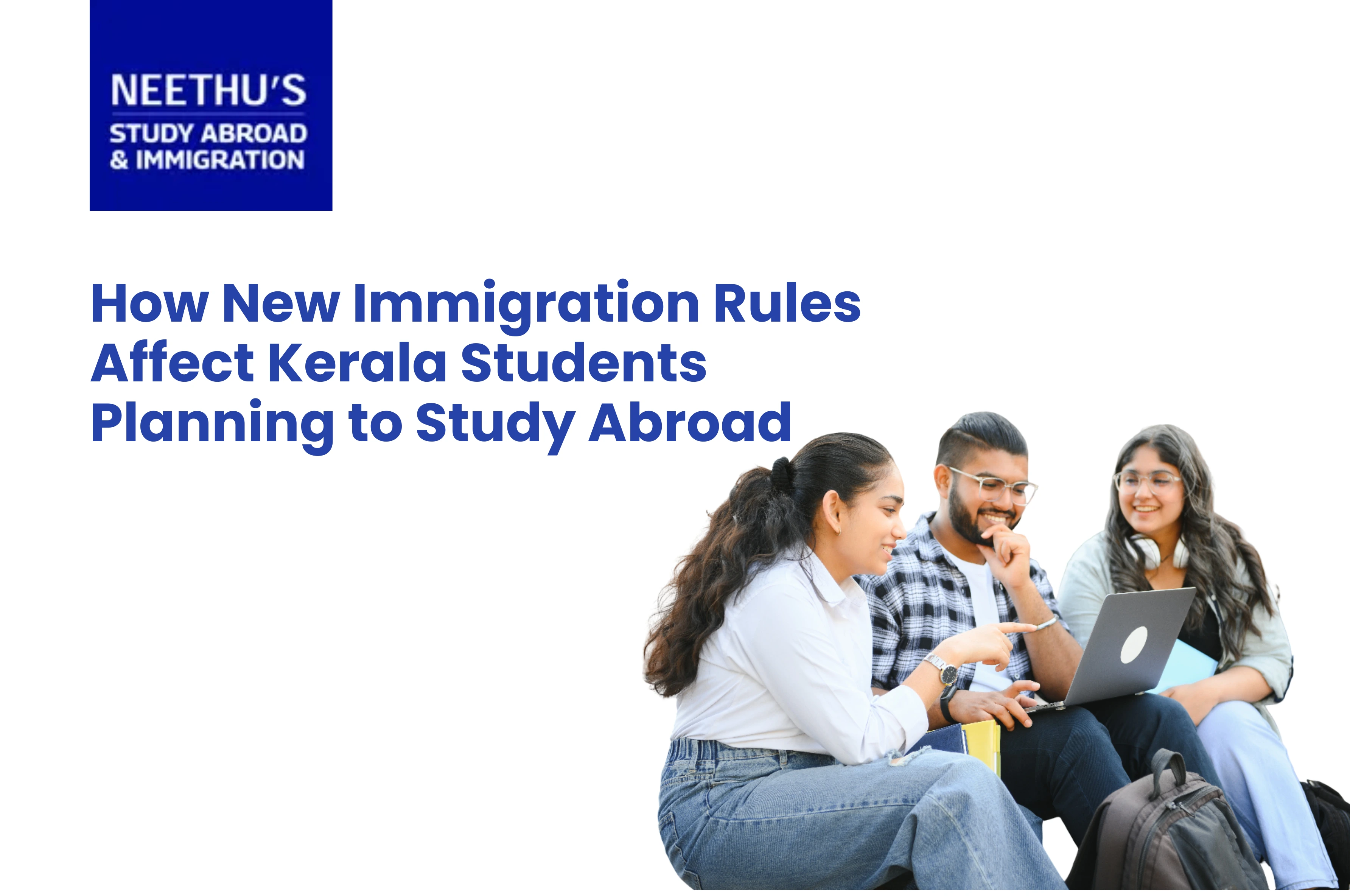
Studying abroad has long been a dream for many students in Kerala. Every year, thousands of aspiring learners leave the state to pursue higher education in countries such as Canada, Australia, the United Kingdom, Germany, and New Zealand. The opportunity to gain an internationally recognized degree, experience a different culture, and improve career prospects makes overseas education an attractive choice.
However, recent changes in immigration and visa policies across several popular study destinations have created uncertainty among students and parents. Governments are introducing stricter regulations to manage international student numbers, ensure compliance with visa conditions, and maintain the quality of educational institutions. As a result, students from Kerala who are planning to study abroad need to understand how these changes may impact their applications and plans.
This article explains the latest immigration trends, the challenges students may face, and how they can prepare effectively for studying overseas.
Why Immigration Rules Are Changing
Many countries have witnessed a significant increase in international student enrollments over the past few years. While this growth has benefited universities and local economies, it has also created concerns related to housing shortages, labor market pressures, and immigration management.
To address these issues, governments have introduced policy changes that focus on:
-
Strengthening visa screening processes
-
Ensuring genuine student enrollment
-
Controlling migration numbers
-
Improving educational standards
-
Preventing misuse of student visas
Although these measures are not intended to discourage genuine students, they require applicants to be more careful and better prepared throughout the admission and visa process.
The Impact on Kerala Students
Kerala has one of the highest numbers of students pursuing education abroad. Families often invest significant financial resources to support international education, making any policy change a matter of concern.
Recent immigration updates mean that students must now pay greater attention to documentation, financial proof, language proficiency requirements, and post-study opportunities. The application process has become more detailed, and mistakes that were previously overlooked may now lead to delays or visa refusals.
For students planning to study overseas, understanding immigration policies has become just as important as choosing the right university.
Changes in Canadian Student Visa Policies
Canada has traditionally been one of the most preferred destinations for Kerala students. Affordable education, multicultural communities, and post-graduation work opportunities have made it highly attractive.
However, the introduction of new Canadian rules for student visa applications has changed the landscape. Authorities have implemented measures aimed at managing the rapid increase in international student numbers and ensuring institutions can adequately support incoming students.
Some of the major impacts include:
Increased Scrutiny of Applications
Visa officers are paying closer attention to academic records, financial documents, and study plans. Students must clearly explain why they have selected a particular program and how it aligns with their career goals.
Stronger Financial Requirements
Applicants may need to demonstrate sufficient funds to cover tuition fees, accommodation, and living expenses. Families should prepare financial documentation carefully to avoid complications during the visa process.
Greater Focus on Genuine Students
Students who apply only for immigration purposes rather than educational goals may face difficulties obtaining approval. A clear academic and career plan has become essential.
For Kerala students, this means early preparation and professional guidance can significantly improve the chances of success.
Australia's Evolving Immigration Policies
Australia remains another top destination for students from Kerala. The country offers world-class universities, excellent research opportunities, and strong employment prospects.
Recent updates to Australian immigration rules for indian students have introduced several changes that prospective applicants should understand before applying.
Enhanced Verification Procedures
Australian authorities have increased efforts to identify genuine students. Academic history, financial capability, and future career intentions are examined more thoroughly than before.
English Language Expectations
Language proficiency remains an important component of the visa process. Students should focus on achieving strong scores in accepted English-language examinations to strengthen their applications.
Education Quality and Course Selection
Students are encouraged to select reputable institutions and programs that align with their long-term goals. Choosing a course solely for migration purposes may create additional scrutiny during the visa assessment process.
Work and Post-Study Opportunities
Australia continues to offer attractive opportunities for graduates, but students should remain updated on current regulations regarding work rights and post-study pathways.
For Kerala students, careful planning and accurate documentation are now more important than ever when applying to Australian institutions.
The Growing Importance of Financial Planning
One of the most noticeable effects of changing immigration policies is the increased focus on financial stability.
Parents and students should consider:
-
Tuition fees
-
Accommodation expenses
-
Health insurance
-
Travel costs
-
Emergency funds
-
Daily living expenses
Financial planning should begin well before university applications are submitted. Maintaining transparent and verifiable financial records can strengthen visa applications and reduce unnecessary complications.
Many visa refusals occur because applicants fail to provide adequate evidence of financial capability. Therefore, preparing supporting documents early is highly recommended.
Why Academic Performance Matters More Than Ever
As immigration authorities become more selective, academic records play an increasingly important role.
Students with strong educational backgrounds often have a better chance of demonstrating genuine study intentions. Consistent academic performance can strengthen university applications and improve credibility during visa assessments.
Students should also ensure that their chosen course matches their previous educational qualifications and future career aspirations. Significant deviations without reasonable explanations may raise questions during the application process.
Choosing the Right Country and Institution
The recent policy changes highlight the importance of selecting universities carefully.
Students should consider:
-
Accreditation and recognition
-
Course quality
-
Graduate employment outcomes
-
Tuition costs
-
Visa success rates
-
Availability of student support services
Rather than focusing solely on immigration benefits, students should prioritize educational quality and long-term career opportunities. Immigration policies can change over time, but a strong academic qualification remains valuable throughout a professional career.
The Role of Student Visa Compliance
The latest student visa immigration rules place greater emphasis on compliance after arrival in the host country.
Students are generally expected to:
-
Attend classes regularly
-
Maintain academic progress
-
Follow work restrictions
-
Keep visa documentation updated
-
Respect local laws and regulations
Failure to comply with visa conditions can result in serious consequences, including visa cancellation or restrictions on future immigration applications.
Kerala students should familiarize themselves with the requirements of their destination country before departure to avoid unnecessary problems later.
How Education Consultants Can Help
Given the complexity of modern immigration regulations, many students seek assistance from professional education consultants.
A reliable consultant can help with:
-
University selection
-
Application preparation
-
Documentation review
-
Visa guidance
-
Financial planning advice
-
Pre-departure support
However, students should conduct their own research as well. Relying entirely on third parties without understanding visa requirements can lead to misunderstandings and costly mistakes.
Opportunities Still Exist for Genuine Students
Although immigration policies have become stricter, opportunities for genuine students remain strong.
Countries continue to welcome international students who:
-
Meet academic requirements
-
Demonstrate financial preparedness
-
Have clear educational objectives
-
Comply with visa conditions
-
Contribute positively to academic communities
Students from Kerala have consistently performed well in international education environments, and this trend is likely to continue despite regulatory changes.
The key difference today is that applications require greater attention to detail and stronger preparation than in previous years.
Preparing for the Future
Students planning to study abroad should begin preparations as early as possible. This includes researching universities, preparing for language tests, gathering financial documents, and understanding visa requirements.
Staying informed about policy updates can help students adapt quickly to changing circumstances. Immigration regulations may continue to evolve, but proactive planning can reduce uncertainty and improve the likelihood of success.
Conclusion
Studying abroad remains one of the most rewarding educational investments for Kerala students. While recent immigration policy changes have introduced additional challenges, they have not eliminated opportunities for deserving applicants.
The latest Australian immigration rules for indian students and evolving regulations in other countries emphasize the importance of genuine academic intentions, financial readiness, and careful planning. Students who prepare thoroughly, choose recognized institutions, and comply with visa requirements can continue to achieve their international education goals.
Rather than viewing these changes as obstacles, Kerala students should see them as a reminder to approach the study abroad journey with greater preparation and clarity. With the right strategy, international education remains an achievable and valuable pathway toward personal and professional growth.
FREQUENTLY ASKED QUESTIONS
1. Are new immigration rules making it harder for Kerala students to study abroad?
The process has become more detailed, but genuine students who meet academic and financial requirements still have strong opportunities to obtain study visas.
2. How do recent Canadian visa changes affect students?
Recent updates have increased scrutiny of applications and financial documentation, requiring students to provide stronger evidence of their study intentions and funding sources.
3. What should students know about Australian immigration policies?
Students should stay updated on visa requirements, maintain strong academic records, and prepare accurate documentation to meet current immigration standards.
4. Why is financial proof becoming more important?
Immigration authorities want to ensure students can support themselves during their studies without facing financial hardship, making financial documentation a critical part of the application process.
5. How can students improve their chances of visa approval?
Students can improve their chances by maintaining good academic performance, preparing complete documentation, demonstrating sufficient funds, and clearly explaining their educational and career goals.









































































_03-12-2025_01-17-26%20PM.webp&w=3840&q=75)
_02-12-2025_03-07-49%20PM.webp&w=3840&q=75)

_27-11-2025_04-06-24%20PM.webp&w=3840&q=75)
_25-11-2025_04-38-18%20PM.webp&w=3840&q=75)
_24-11-2025_03-20-26%20PM.webp&w=3840&q=75)
_22-11-2025_12-44-47%20PM.webp&w=3840&q=75)
_21-11-2025_04-17-47%20PM.webp&w=3840&q=75)
_20-11-2025_03-55-26%20PM.webp&w=3840&q=75)
_18-11-2025_04-00-40%20PM.webp&w=3840&q=75)
_15-11-2025_10-48-43%20AM.webp&w=3840&q=75)
%20(1)_14-11-2025_03-52-25%20PM.webp&w=3840&q=75)
_13-11-2025_03-02-38%20PM.webp&w=3840&q=75)
_08-11-2025_04-15-36%20PM.webp&w=3840&q=75)
_05-11-2025_04-01-50%20PM.webp&w=3840&q=75)
_05-11-2025_03-46-26%20PM.webp&w=3840&q=75)
_03-11-2025_03-31-09%20PM.webp&w=3840&q=75)
_04-11-2025_.webp&w=3840&q=75)
_04-11-2025_.webp&w=3840&q=75)
_28-10-2025_04-09-08%20PM.webp&w=3840&q=75)
_24-10-2025_05-10-31%20PM.webp&w=3840&q=75)
_24-10-2025_04-55-51%20PM.webp&w=3840&q=75)
_22-10-2025_04-40-20%20PM.webp&w=3840&q=75)
%20(1)_21-10-2025_03-05-46%20PM.webp&w=3840&q=75)
_21-10-2025_02-43-15%20PM.webp&w=3840&q=75)
_17-10-2025_05-08-52%20PM.webp&w=3840&q=75)
_17-10-2025_04-54-54%20PM.webp&w=3840&q=75)
_15-10-2025_03-46-47%20PM.webp&w=3840&q=75)
_14-10-2025_03-42-40%20PM.webp&w=3840&q=75)
_14-10-2025_03-29-48%20PM.webp&w=3840&q=75)
_13-10-2025_03-48-51%20PM.webp&w=3840&q=75)
_11-10-2025_04-28-42%20PM.webp&w=3840&q=75)
%20(1)_09-10-2025_04-12-08%20PM.webp&w=3840&q=75)

_07-10-2025_02-55-25%20PM.webp&w=3840&q=75)
_07-10-2025_02-39-51%20PM.webp&w=3840&q=75)
_06-10-2025_03-42-37%20PM.webp&w=3840&q=75)
_03-10-2025_04-42-59%20PM.webp&w=3840&q=75)
_01-10-2025_11-12-12%20AM.webp&w=3840&q=75)
%20(1)_29-09-2025_02-54-12%20PM.webp&w=3840&q=75)

_26-09-2025_12-14-18%20PM.webp&w=3840&q=75)
_24-09-2025_04-44-26%20PM.webp&w=3840&q=75)
_23-09-2025_04-14-36%20PM.webp&w=3840&q=75)
_22-09-2025_04-08-09%20PM.webp&w=3840&q=75)
_20-09-2025_03-26-03%20PM.webp&w=3840&q=75)
_17-09-2025_04-06-42%20PM.webp&w=3840&q=75)
_15-09-2025_04-43-43%20PM.webp&w=3840&q=75)
_13-09-2025_12-17-49%20PM.webp&w=3840&q=75)
_12-09-2025_04-31-36%20PM.webp&w=3840&q=75)
_12-09-2025_04-17-03%20PM.webp&w=3840&q=75)
_10-09-2025_03-59-59%20PM.webp&w=3840&q=75)
_09-09-2025_04-11-16%20PM.webp&w=3840&q=75)
_09-09-2025_03-53-52%20PM.webp&w=3840&q=75)

















































_12-06-2025_03-40-35%20PM.webp&w=3840&q=75)