Top Universities in Russia | Study in Russia for International Students
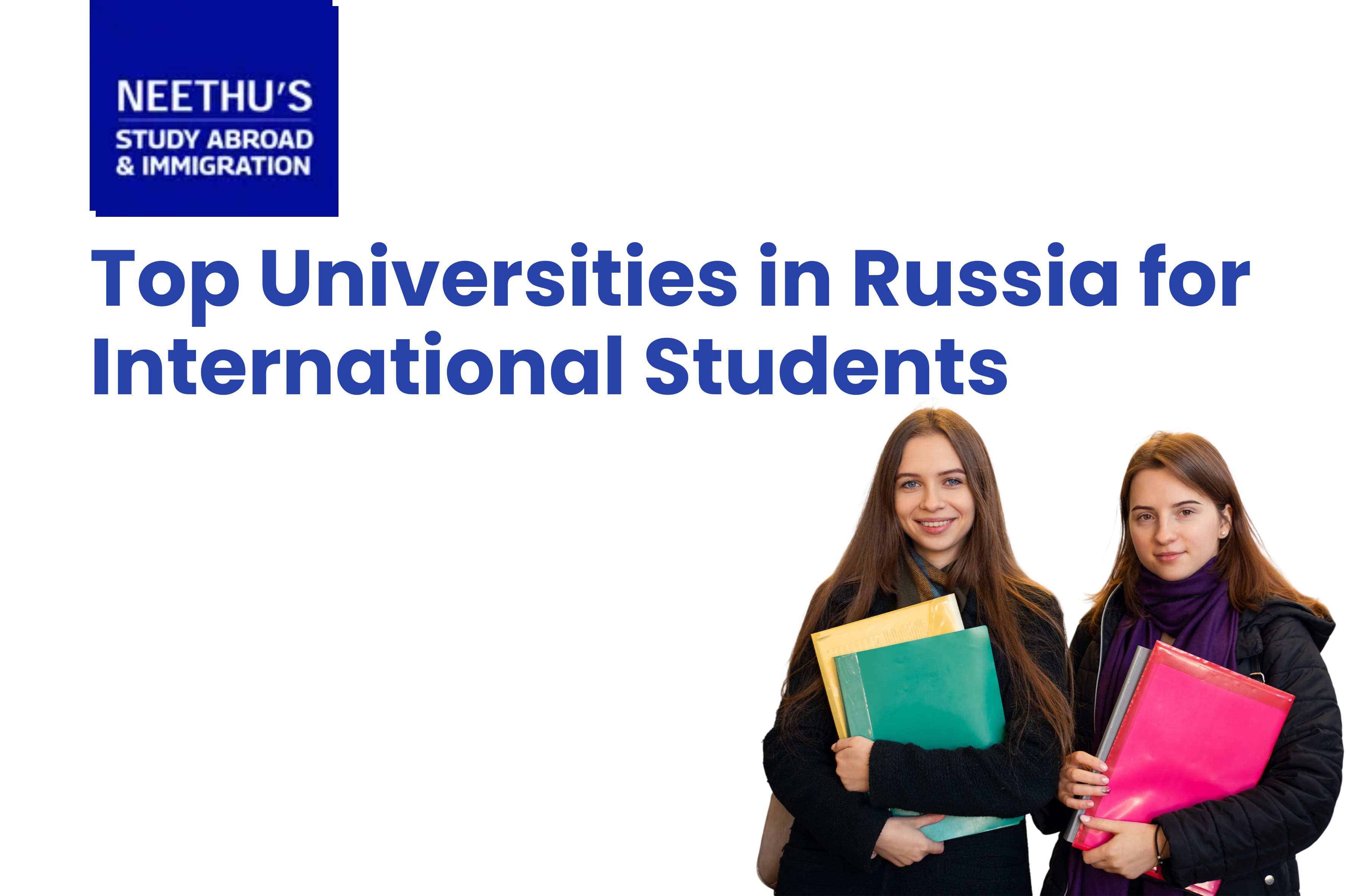
Top Universities in Russia for International Students
Introduction
Russia has become one of the most popular destinations for higher education among international students. The country is home to centuries-old universities, advanced research institutions, and globally recognised academic programmes across medicine, engineering, information technology, business, aviation, and the sciences. Students from Asia, Africa, the Middle East, Europe, and Latin America choose Russia because it offers quality education, experienced faculty, and internationally accepted degrees at comparatively affordable tuition fees.
Choosing one of the best universities in russia allows students to study in a multicultural environment while gaining access to modern laboratories, research facilities, and industry-focused learning. Many universities offer English-taught programmes, making higher education accessible even to students who do not speak Russian. Along with academics, students experience a rich cultural heritage, modern cities, and opportunities to participate in international exchange programmes, research projects, and student activities.
For those planning to study in russia for international students, selecting the right university is one of the most important decisions. Every institution has its own strengths, admission requirements, and academic specialisations. Understanding these differences helps students choose a university that matches their career goals and educational interests.
Why Choose Russia for Higher Education?
Russia has developed a strong reputation for providing high-quality education in a wide range of disciplines. Its universities combine theoretical knowledge with practical training, ensuring graduates are well prepared for professional careers or advanced studies.
Some of the key reasons students choose Russia include:
-
Internationally recognised degrees
-
Affordable tuition fees compared with many Western countries
-
Modern research laboratories and academic facilities
-
English-medium programmes in various fields
-
Experienced professors and researchers
-
Strong emphasis on innovation and scientific research
-
Diverse international student community
-
Opportunities for cultural exchange
-
Well-equipped university campuses
-
Wide range of undergraduate and postgraduate programmes
These advantages continue to attract thousands of applicants who wish to study in Russia while gaining valuable international academic experience.
Factors to Consider When Choosing a University
Before applying, students should compare universities based on several important factors rather than focusing only on rankings.
Academic Reputation
Look for universities with a strong history of academic excellence, qualified faculty members, and recognised accreditation. A well-established institution often provides better research opportunities and international recognition.
Programme Availability
Not every university offers the same courses. Students should ensure that their preferred university provides the degree programme they wish to pursue, whether it is medicine, engineering, business, computer science, or another field.
Language of Instruction
Many Russian universities offer programmes entirely in English, while others may require students to complete a Russian language preparatory course. Checking the language requirements before applying is essential.
Research and Practical Training
Universities with modern laboratories, research centres, and partnerships with industries provide students with valuable practical learning experiences that strengthen their future career prospects.
Campus Facilities
Accommodation, libraries, sports facilities, healthcare services, and student support centres all contribute to a better learning experience. Choosing a university with comprehensive campus facilities can make student life more comfortable.
Best Universities in Russia
Lomonosov Moscow State University
Founded in 1755, Lomonosov Moscow State University is widely regarded as one of Russia's most prestigious higher education institutions. It offers programmes in science, medicine, engineering, economics, humanities, and law while maintaining a strong reputation for research and academic excellence.
Students benefit from highly qualified professors, advanced laboratories, extensive library resources, and collaborations with international universities.
Saint Petersburg State University
Saint Petersburg State University is among Russia's oldest universities and is recognised for its outstanding teaching standards and research achievements. It offers undergraduate, postgraduate, and doctoral programmes across numerous disciplines.
The university encourages international collaboration and provides students with opportunities to participate in scientific research, innovation projects, and exchange programmes.
Novosibirsk State University
Located near one of Russia's largest scientific research centres, Novosibirsk State University is particularly well known for mathematics, physics, engineering, biotechnology, and computer science.
Students studying here benefit from close interaction with leading researchers and access to cutting-edge scientific facilities.
Tomsk State University
Tomsk State University has built a strong reputation for research, innovation, and international education. The university welcomes students from many countries and offers programmes in engineering, environmental sciences, economics, law, and humanities.
Its modern laboratories and research partnerships help students gain valuable practical experience alongside classroom learning.
Bauman Moscow State Technical University
Bauman University is recognised as one of Russia's leading engineering institutions. It specialises in mechanical engineering, aerospace, robotics, artificial intelligence, information technology, and industrial sciences.
Students receive extensive technical training through laboratory work, design projects, and industry collaborations.
National Research Nuclear University (MEPhI)
MEPhI is internationally respected for its education and research in nuclear engineering, physics, cybersecurity, electronics, and information technology.
The university works closely with scientific organisations and technology companies, providing students with excellent research opportunities and career prospects.
Kazan Federal University
Kazan Federal University is one of Russia's oldest educational institutions and offers programmes across medicine, engineering, business, law, education, and natural sciences.
Its multicultural campus and international partnerships make it a preferred destination for students seeking globally recognised qualifications.
Ural Federal University
Situated in Yekaterinburg, Ural Federal University is recognised as one of Russia's major centres for higher education and scientific research. The university offers programmes across engineering, business, information technology, economics, and natural sciences. Students benefit from practical learning through research centres, innovation hubs, and partnerships with industrial organisations. Its international campus welcomes learners from many countries, creating an environment that encourages academic collaboration and cultural exchange.
Peoples Friendship University of Russia (RUDN University)
RUDN University was established with a mission to educate students from around the world, and today it remains one of Russia's most internationally diverse universities. It delivers degree programmes in areas such as medicine, engineering, agriculture, economics, law, and humanities.
The university focuses on developing globally competent graduates by combining academic learning with intercultural experiences. Students have access to modern teaching facilities, research opportunities, language support, and numerous extracurricular activities that enhance both personal and professional development.
ITMO University
ITMO University has built an international reputation for innovation and technological excellence. It is especially recognised for programmes in software development, artificial intelligence, cybersecurity, robotics, and digital technologies.
Rather than relying only on classroom instruction, ITMO encourages project-based learning, scientific research, and entrepreneurial activities. Students often collaborate with technology companies and research institutions, helping them develop practical knowledge that aligns with current industry requirements.
Popular Programmes Available in Russian Universities
Russian universities cater to a wide range of academic interests, allowing international students to pursue qualifications in both traditional and emerging disciplines. Whether students are interested in healthcare, engineering, technology, or business, they can find programmes that match their future career plans.
Some of the most commonly chosen courses include:
-
General Medicine
-
Dentistry
-
Pharmacy
-
Civil and Mechanical Engineering
-
Computer Science
-
Software Engineering
-
Artificial Intelligence
-
Business Administration
-
Finance and Economics
-
International Relations
-
Aerospace Engineering
-
Architecture
-
Law
-
Biotechnology
-
Environmental Sciences
Several universities also provide complete degree programmes in English, making higher education accessible to students from different parts of the world.
Tuition Fees
The cost of higher education in Russia depends on the university and academic programme selected. Even so, tuition fees remain relatively affordable when compared with many popular international study destinations, making Russia an attractive option for students seeking quality education within a reasonable budget.
|
Course |
Estimated Annual Fee (RUB) |
Approximate Fee (INR) |
|
Medicine |
350,000–800,000 RUB |
₹3.8 lakh–₹8.8 lakh |
|
Engineering |
250,000–500,000 RUB |
₹2.7 lakh–₹5.5 lakh |
|
Business & Management |
250,000–450,000 RUB |
₹2.7 lakh–₹5 lakh |
|
Computer Science & IT |
280,000–550,000 RUB |
₹3 lakh–₹6 lakh |
The final tuition amount depends on the university, specialisation, and duration of the chosen programme.
Daily Living Expenses
Besides tuition fees, students should budget for accommodation and personal expenses during their stay in Russia. Monthly expenses differ according to the city, housing preference, and individual lifestyle.
A typical student budget may include:
-
University hostel or rented accommodation
-
Meals and groceries
-
Public transportation
-
Mobile phone and internet
-
Books and study supplies
-
Leisure and personal expenses
Most international students spend between 25,000 RUB and 50,000 RUB per month, although students living in Moscow or Saint Petersburg may require a slightly larger budget.
Admission Procedure
International applicants can complete the admission process by following a series of organised steps.
Explore Universities
Begin by researching universities that offer your preferred programme. Compare academic quality, tuition fees, campus facilities, location, and student support services before making a final decision.
Submit Your Application
Complete the online application through the university's admission portal and upload the requested academic records.
Verification of Documents
The university evaluates the submitted documents to ensure that applicants satisfy the eligibility requirements. Certain programmes may also include an entrance examination or an interview.
Admission Confirmation
Students who meet the admission criteria receive an official acceptance letter from the university.
Secure Your Seat
Most universities require students to pay an advance tuition payment or registration fee before issuing the final admission documents.
Student Visa Application
Using the admission documents provided by the university, applicants can apply for a Russian student visa through the appropriate diplomatic mission.
Arrival and Enrolment
After reaching Russia, students complete the registration formalities, attend orientation programmes, and officially begin their studies.
Documents Required
Although requirements vary slightly among universities, applicants are generally expected to prepare the following:
-
Valid passport
-
Completed admission application
-
Passport-sized photographs
-
Academic transcripts and certificates
-
Birth certificate, if applicable
-
Medical fitness certificate
-
HIV test report where required
-
Language proficiency proof, if requested
-
Official university admission letter
-
Evidence of financial support
-
Student visa documentation
Preparing these documents in advance can help prevent delays during the admission process.
Scholarship Opportunities
Many universities in Russia, along with government-supported programmes, provide financial assistance to deserving international students. Scholarships are generally awarded based on academic merit, research achievements, or eligibility under specific international education schemes.
Students may be eligible for:
-
National scholarship programmes
-
University-funded merit awards
-
Research fellowships
-
Academic achievement scholarships
-
International educational exchange grants
Applicants who apply early and demonstrate strong academic performance generally have better opportunities to receive financial support.
Student Experience in Russia
Studying at a Russian university offers much more than earning a degree. International students become part of a vibrant academic community where learning extends beyond the classroom. Universities regularly organise workshops, cultural programmes, sports events, research conferences, and student-led activities that help learners develop leadership, communication, and teamwork skills.
Russian campuses bring together students from different countries, creating an environment where cultural exchange is part of everyday life. This international atmosphere allows students to build global friendships while adapting to new perspectives and traditions.
Most universities also provide a range of facilities to support student life, including:
-
Comfortable on-campus accommodation
-
Well-equipped libraries and study spaces
-
Sports and recreation centres
-
University health clinics
-
Cafeterias serving a variety of meals
-
Student counselling and academic support
-
Clubs, societies, and cultural organisations
Outside the university, students have the opportunity to experience Russia's rich heritage by visiting historical landmarks, museums, theatres, parks, and famous cities during weekends or academic breaks.
Career Prospects After Graduating
Graduating from a recognised Russian university can open pathways to employment and further education in many parts of the world. Russian universities place considerable emphasis on practical learning, research, and professional development, helping graduates build the knowledge and skills required in today's competitive job market.
After completing their studies, graduates may choose to:
-
Pursue master's or doctoral programmes.
-
Apply for positions in multinational companies.
-
Join research institutes and innovation centres.
-
Build careers in government departments or public organisations.
-
Explore opportunities in entrepreneurship and business.
-
Seek employment in international industries after meeting country-specific professional requirements.
Students graduating from medical programmes may also continue with licensing examinations and registration procedures if they wish to practise medicine in another country.
How to Select the Right University
With many reputable institutions to choose from, selecting the right university requires careful evaluation. Instead of focusing only on rankings, students should compare universities based on academic quality, facilities, and long-term career opportunities.
Important factors to consider include:
-
Recognition and accreditation of the university
-
Availability of your preferred academic programme
-
Quality of teaching and faculty experience
-
Research opportunities and laboratory facilities
-
Internship and industry partnerships
-
Tuition fees and overall education costs
-
Availability of scholarships or financial assistance
-
Hostel and accommodation options
-
Student welfare and support services
-
Career guidance and graduate employability
Taking time to compare these aspects can help students make a well-informed decision that supports both their academic ambitions and future career plans.
Preparing for Life in Russia
Moving to another country for higher education requires careful preparation. Understanding the local culture, climate, and university environment before departure can make the transition much smoother.
International students are encouraged to learn basic Russian phrases, as this can be useful for everyday communication outside the campus. It is also important to arrange suitable accommodation, obtain health insurance, and become familiar with local transportation and banking services before classes begin.
Maintaining a monthly budget, following visa regulations, and participating in university orientation programmes can help students settle comfortably into their new surroundings and enjoy a positive study experience.
Conclusion
Russia continues to attract students from around the world because of its strong academic reputation, diverse programme offerings, and affordable education. Universities provide modern learning facilities, experienced faculty, practical training, and research opportunities that prepare students for successful careers across various industries.
Choosing one of the top universities in Russia can be the first step towards achieving international academic and professional goals. For students planning to study in russia for international students, careful research, early preparation, and selecting a university that matches their interests can make the study abroad journey both rewarding and successful.
Frequently Asked Questions
1. Why do international students choose Russian universities?
Russia is a popular study destination because of its globally recognised universities, affordable tuition fees, modern research facilities, and a wide range of English-taught programmes. Students also benefit from a multicultural learning environment and strong academic standards.
2. What are the admission requirements for Russian universities?
Most universities require applicants to submit their academic transcripts, a valid passport, a completed application form, passport-size photographs, and other supporting documents. Some programmes may also require an entrance examination or an interview.
3. Are there English-medium courses available in Russia?
Yes. Many Russian universities offer undergraduate and postgraduate programmes in English, particularly in fields such as medicine, engineering, business, and information technology.
4. What is the average tuition fee for international students in Russia?
Tuition fees vary depending on the university and programme. On average, international students can expect to pay between 250,000 RUB and 800,000 RUB per year, with medical programmes generally costing more than other courses.
5. How much does it cost to live in Russia as a student?
Monthly living expenses typically range from 25,000 RUB to 50,000 RUB, covering accommodation, food, transportation, internet, and personal expenses. Costs may be higher in cities like Moscow and Saint Petersburg.
6. Can international students apply for scholarships in Russia?
Yes. Many Russian universities and government-funded programmes offer scholarships based on academic merit, research potential, or specific eligibility criteria. Students should check the scholarship options available at their chosen university before applying.
7. Is Russian language knowledge mandatory for studying in Russia?
Not always. Students enrolled in English-medium programmes are not usually required to know Russian before admission. However, learning basic Russian can make daily life and communication outside the classroom much easier.
8. Are Russian university degrees recognised internationally?
Degrees awarded by recognised Russian universities are accepted in many countries. However, graduates may need to meet the licensing or professional registration requirements of the country where they plan to work or continue their education.
9. Can international students work while studying in Russia?
International students may be allowed to work during their studies, provided they comply with the latest Russian immigration and employment regulations. It is advisable to check the current rules before accepting part-time employment.
10. How can students choose the right university in Russia?
Students should compare universities based on accreditation, programme availability, faculty expertise, tuition fees, research opportunities, campus facilities, student support services, scholarship options, and career prospects before making their final decision.























































_03-12-2025_01-17-26%20PM.webp&w=3840&q=75)
_02-12-2025_03-07-49%20PM.webp&w=3840&q=75)

_27-11-2025_04-06-24%20PM.webp&w=3840&q=75)
_25-11-2025_04-38-18%20PM.webp&w=3840&q=75)
_24-11-2025_03-20-26%20PM.webp&w=3840&q=75)
_22-11-2025_12-44-47%20PM.webp&w=3840&q=75)
_21-11-2025_04-17-47%20PM.webp&w=3840&q=75)
_20-11-2025_03-55-26%20PM.webp&w=3840&q=75)
_18-11-2025_04-00-40%20PM.webp&w=3840&q=75)
_15-11-2025_10-48-43%20AM.webp&w=3840&q=75)
%20(1)_14-11-2025_03-52-25%20PM.webp&w=3840&q=75)
_13-11-2025_03-02-38%20PM.webp&w=3840&q=75)
_08-11-2025_04-15-36%20PM.webp&w=3840&q=75)
_05-11-2025_04-01-50%20PM.webp&w=3840&q=75)
_05-11-2025_03-46-26%20PM.webp&w=3840&q=75)
_03-11-2025_03-31-09%20PM.webp&w=3840&q=75)
_04-11-2025_.webp&w=3840&q=75)
_04-11-2025_.webp&w=3840&q=75)
_28-10-2025_04-09-08%20PM.webp&w=3840&q=75)
_24-10-2025_05-10-31%20PM.webp&w=3840&q=75)
_24-10-2025_04-55-51%20PM.webp&w=3840&q=75)
_22-10-2025_04-40-20%20PM.webp&w=3840&q=75)
%20(1)_21-10-2025_03-05-46%20PM.webp&w=3840&q=75)
_21-10-2025_02-43-15%20PM.webp&w=3840&q=75)
_17-10-2025_05-08-52%20PM.webp&w=3840&q=75)
_17-10-2025_04-54-54%20PM.webp&w=3840&q=75)
_15-10-2025_03-46-47%20PM.webp&w=3840&q=75)
_14-10-2025_03-42-40%20PM.webp&w=3840&q=75)
_14-10-2025_03-29-48%20PM.webp&w=3840&q=75)
_13-10-2025_03-48-51%20PM.webp&w=3840&q=75)
_11-10-2025_04-28-42%20PM.webp&w=3840&q=75)
%20(1)_09-10-2025_04-12-08%20PM.webp&w=3840&q=75)

_07-10-2025_02-55-25%20PM.webp&w=3840&q=75)
_07-10-2025_02-39-51%20PM.webp&w=3840&q=75)
_06-10-2025_03-42-37%20PM.webp&w=3840&q=75)
_03-10-2025_04-42-59%20PM.webp&w=3840&q=75)
_01-10-2025_11-12-12%20AM.webp&w=3840&q=75)
%20(1)_29-09-2025_02-54-12%20PM.webp&w=3840&q=75)

_26-09-2025_12-14-18%20PM.webp&w=3840&q=75)
_24-09-2025_04-44-26%20PM.webp&w=3840&q=75)
_23-09-2025_04-14-36%20PM.webp&w=3840&q=75)
_22-09-2025_04-08-09%20PM.webp&w=3840&q=75)
_20-09-2025_03-26-03%20PM.webp&w=3840&q=75)
_17-09-2025_04-06-42%20PM.webp&w=3840&q=75)
_15-09-2025_04-43-43%20PM.webp&w=3840&q=75)
_13-09-2025_12-17-49%20PM.webp&w=3840&q=75)
_12-09-2025_04-31-36%20PM.webp&w=3840&q=75)
_12-09-2025_04-17-03%20PM.webp&w=3840&q=75)
_10-09-2025_03-59-59%20PM.webp&w=3840&q=75)
_09-09-2025_04-11-16%20PM.webp&w=3840&q=75)
_09-09-2025_03-53-52%20PM.webp&w=3840&q=75)








































_12-06-2025_03-40-35%20PM.webp&w=3840&q=75)