Top Nursing Specializations for Indian Nurses That Lead to Leadership Careers Abroad
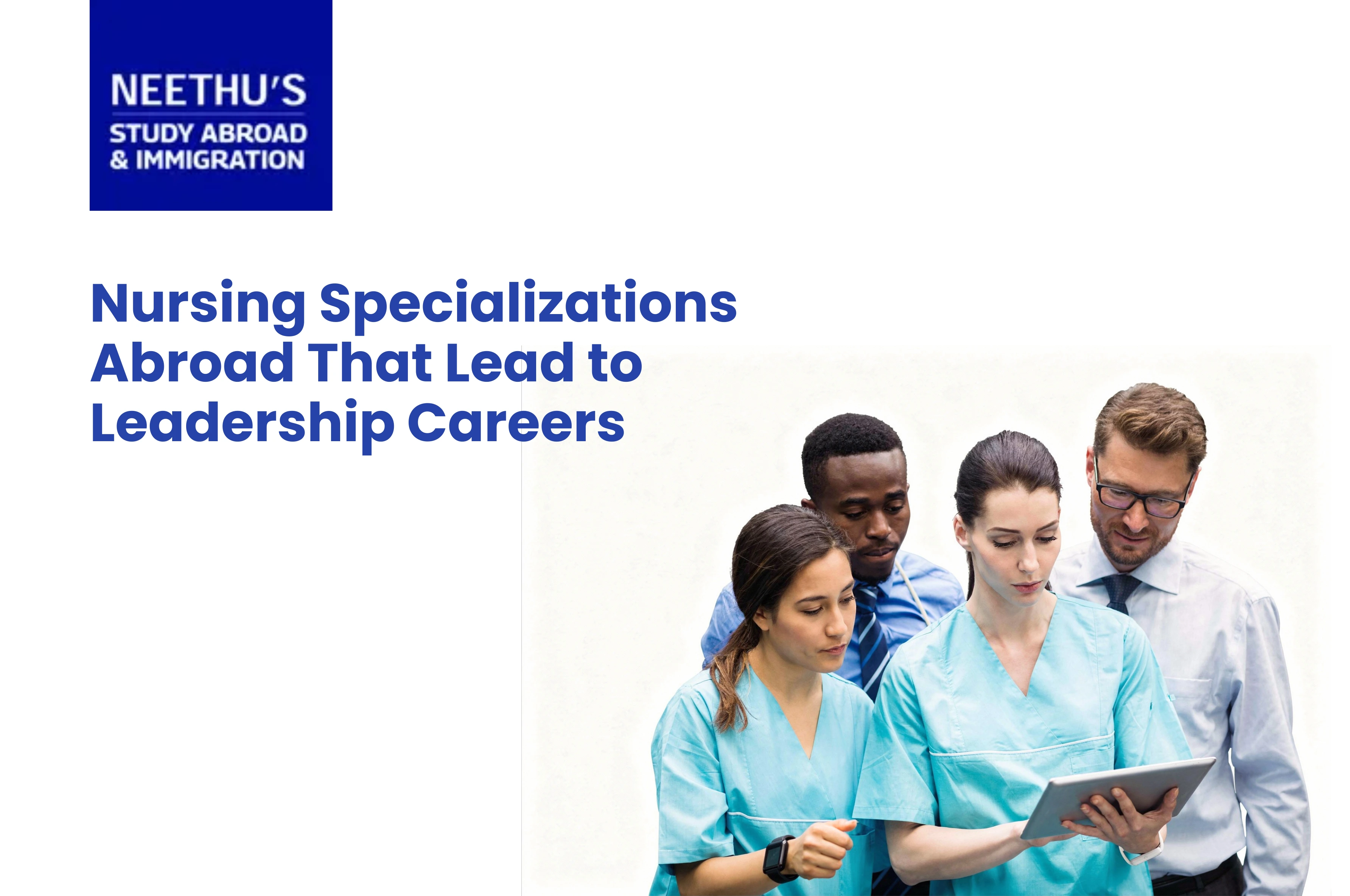
The global healthcare industry is evolving rapidly, creating exciting opportunities for nurses who want to build successful international careers. Today, nursing is no longer limited to bedside patient care. Many nurses are advancing into leadership positions where they influence healthcare policies, manage teams, oversee clinical operations, and contribute to improving patient outcomes on a larger scale.
For Indian nurses planning to work abroad, choosing the right specialization can significantly impact long-term career growth. While general nursing experience remains valuable, specialized expertise often opens doors to higher-paying positions, advanced responsibilities, and leadership opportunities. Selecting the right pathway can help nurses transition from clinical roles into supervisory, managerial, educational, and administrative positions over time.
This article explores the top nursing specializations for Indian nurses that can lead to leadership careers abroad and explains how these fields can support professional growth in countries such as the United States, Canada, Australia, New Zealand, the United Kingdom, and the Middle East.
Why Nursing Specialization Matters
Healthcare systems worldwide are becoming increasingly complex. Hospitals and healthcare organizations require nurses with advanced knowledge and specialized skills to manage patient care effectively.
Specialized nurses are often entrusted with greater responsibilities because they possess expertise in specific clinical areas. Over time, this expertise can position them for leadership roles such as nurse manager, clinical supervisor, department coordinator, nurse educator, or healthcare administrator.
Employers also value specialized nurses because they contribute to better patient outcomes, improved operational efficiency, and stronger clinical decision-making.
For nurses aspiring to leadership positions, specialization is often the first step toward career advancement.
Critical Care Nursing
Critical care nursing remains one of the most respected and sought-after specialties worldwide. Critical care nurses work in intensive care units (ICUs), caring for patients with life-threatening conditions that require constant monitoring and advanced clinical interventions.
This specialization develops strong clinical judgment, decision-making skills, and the ability to perform under pressure. Nurses working in critical care environments frequently collaborate with multidisciplinary teams and participate in complex treatment planning.
Because of the high level of responsibility involved, experienced critical care nurses often progress into leadership positions such as ICU supervisor, critical care manager, or clinical coordinator.
Emergency Nursing
Emergency nursing offers a dynamic and fast-paced work environment where nurses care for patients experiencing acute illnesses, injuries, and medical emergencies.
Emergency nurses develop exceptional assessment skills, rapid decision-making abilities, and strong communication techniques. These competencies are highly valued in leadership roles because healthcare leaders must often make important decisions under challenging circumstances.
Many emergency nurses eventually move into positions such as emergency department manager, clinical educator, or hospital operations coordinator.
Oncology Nursing
Oncology nursing focuses on caring for patients diagnosed with cancer and other complex hematological conditions. This specialization requires advanced knowledge of treatment protocols, symptom management, patient education, and emotional support.
The growing global demand for cancer care services has increased opportunities for oncology nurses in healthcare systems around the world. Experienced oncology nurses often become team leaders, program coordinators, or directors of oncology services.
Leadership positions in oncology frequently involve managing multidisciplinary care teams and implementing quality improvement initiatives that enhance patient outcomes.
Pediatric Nursing
Pediatric nursing involves caring for infants, children, and adolescents across various healthcare settings. This specialty requires excellent communication skills, patience, and the ability to collaborate closely with families.
Pediatric nurses gain valuable experience in patient advocacy, care coordination, and interdisciplinary teamwork. These skills serve as a strong foundation for leadership roles within pediatric departments and healthcare organizations.
As they gain experience, pediatric nurses may advance to positions such as pediatric nurse manager, clinical educator, or department supervisor.
Operating Room Nursing
Operating room nurses play a critical role in surgical procedures by ensuring patient safety, maintaining sterile environments, and assisting surgical teams throughout operations.
This specialization requires strong organizational abilities, attention to detail, and excellent teamwork skills. Nurses working in surgical settings often gain experience coordinating complex procedures and managing multiple responsibilities simultaneously.
These experiences prepare operating room nurses for leadership roles such as surgical services manager, perioperative coordinator, or operating room director.
Mental Health Nursing
Mental health awareness has grown significantly worldwide, increasing demand for qualified psychiatric and mental health nurses. These professionals provide care for individuals experiencing mental health disorders, emotional challenges, and behavioral conditions.
Mental health nursing develops communication, conflict resolution, and crisis management skills that are essential for leadership. Nurses in this field frequently work with multidisciplinary teams and contribute to treatment planning and patient advocacy.
With experience, mental health nurses can progress into leadership positions involving program management, clinical supervision, and healthcare administration.
Cardiac Nursing
Cardiac nursing focuses on caring for patients with cardiovascular diseases and conditions. Nurses in this specialty manage patients undergoing cardiac procedures, rehabilitation programs, and long-term treatment plans.
As heart disease remains one of the leading global health concerns, cardiac nurses continue to be in high demand across healthcare systems. Their specialized knowledge and clinical expertise often position them for leadership opportunities within cardiac units and specialty centers.
Experienced cardiac nurses may become department managers, clinical coordinators, or cardiovascular service leaders.
Neonatal Nursing
Neonatal nurses provide specialized care for newborn infants, particularly those born prematurely or with medical complications. This field requires advanced clinical knowledge, precision, and close collaboration with physicians and families.
Leadership opportunities in neonatal nursing often arise through experience in neonatal intensive care units (NICUs). Nurses who excel in this specialty may move into supervisory roles, educational positions, or neonatal program management.
The specialized nature of neonatal care makes experienced professionals highly valued in healthcare organizations worldwide.
Nurse Education
For nurses who enjoy teaching and mentoring, nurse education offers an excellent pathway toward leadership. Nurse educators play a vital role in training future nurses and supporting professional development within healthcare institutions.
This specialization combines clinical expertise with instructional skills. Nurse educators often develop training programs, conduct workshops, and evaluate nursing competencies.
Leadership positions in nursing education can include academic coordinator, nursing faculty leader, director of education, or dean of nursing programs.
Healthcare Administration and Nursing Management
Many nurses eventually transition from clinical practice into administrative leadership roles. Healthcare administration focuses on managing healthcare facilities, improving operational efficiency, and overseeing healthcare teams.
Nurses with strong leadership abilities and management training are often well-positioned for these roles. Responsibilities may include budgeting, staffing, policy development, quality assurance, and strategic planning.
Healthcare administration represents one of the most direct pathways from nursing specialization to executive leadership positions within healthcare organizations.
How Specialization Supports Leadership Development
Choosing a specialization does more than improve clinical expertise. It helps nurses develop the competencies required for leadership success.
Specialized nurses often gain experience in:
Decision-Making
Advanced clinical environments require nurses to make important decisions quickly and effectively. These experiences strengthen leadership capabilities and build professional confidence.
Team Coordination
Specialized nurses frequently collaborate with physicians, therapists, pharmacists, and other healthcare professionals. Managing these relationships helps develop teamwork and coordination skills.
Communication
Effective communication is a cornerstone of successful leadership. Specialized nursing roles often involve patient education, staff collaboration, and interdisciplinary coordination.
Problem-Solving
Healthcare environments present complex challenges that require innovative solutions. Specialized nurses learn how to analyze situations and make informed decisions that improve patient outcomes.
Choosing the Best Specialization for Your Career Goals
Selecting a nursing specialization should involve careful consideration of personal interests, strengths, and long-term objectives. A specialty that aligns with your passion is more likely to provide professional satisfaction and sustained career growth.
When evaluating options, consider factors such as global demand, opportunities for advancement, salary potential, and personal interests. The best nursing specialization for international career growth is often the one that combines strong employment prospects with your individual strengths and aspirations.
It is also important to research licensing requirements and certification pathways for your preferred destination country. Understanding these requirements early can help you prepare effectively for future opportunities.
Building a Leadership Career Abroad
Leadership careers are rarely achieved overnight. Most successful nursing leaders begin by developing strong clinical foundations before gradually taking on additional responsibilities.
Participating in continuing education, obtaining specialty certifications, pursuing advanced degrees, and seeking mentorship opportunities can accelerate career growth. Nurses who demonstrate initiative, professionalism, and a commitment to lifelong learning are often the ones who advance into leadership positions.
The top nursing specializations for Indian nurses not only provide excellent employment opportunities abroad but also create pathways toward meaningful leadership roles that influence healthcare delivery and patient outcomes.
Conclusion
The modern nursing profession offers far more than traditional bedside care. Nurses who choose specialized career paths often gain access to advanced responsibilities, professional recognition, and leadership opportunities across global healthcare systems.
Whether your interests lie in critical care, emergency nursing, oncology, pediatrics, mental health, or healthcare administration, specialization can serve as a powerful stepping stone toward long-term career success. By carefully selecting the best nursing specialization for international career development and investing in continuous professional growth, nurses can position themselves for rewarding leadership roles abroad.
For aspiring healthcare professionals seeking the top nursing specializations for Indian nurses, the key is to align personal interests with global healthcare demands. With the right specialization, dedication, and professional development, a successful international nursing leadership career is well within reach.
Frequently Asked Questions
1. Why should nurses choose a specialization before working abroad?
Choosing a specialization helps nurses develop expertise in a specific area of healthcare and increases their value to employers. It can also create better opportunities for career advancement, higher salaries, and leadership roles in international healthcare settings.
2. Which nursing specialization is most in demand internationally?
Critical care, emergency nursing, oncology nursing, and operating room nursing are among the most sought-after specialties worldwide. Demand may vary by country, but these fields consistently offer strong employment opportunities for international nurses.
3. What skills are important for nurses who want leadership careers?
Leadership roles require strong communication, decision-making, teamwork, problem-solving, and organizational skills. Nurses who continuously improve these abilities often have greater opportunities for professional growth and advancement.
4. How can nurses prepare for leadership roles in international healthcare systems?
Nurses can prepare by gaining clinical experience, pursuing specialty certifications, participating in leadership training, and continuing their education. Building professional networks and seeking mentorship can also support long-term career development and leadership success.
5. Can a nursing specialization lead to leadership positions?
Yes, specialized nurses often gain advanced clinical experience and management skills that prepare them for leadership roles. Many nurse managers, clinical supervisors, and department heads begin their careers in specialized nursing fields.





















































































_03-12-2025_01-17-26%20PM.webp&w=3840&q=75)
_02-12-2025_03-07-49%20PM.webp&w=3840&q=75)

_27-11-2025_04-06-24%20PM.webp&w=3840&q=75)
_25-11-2025_04-38-18%20PM.webp&w=3840&q=75)
_24-11-2025_03-20-26%20PM.webp&w=3840&q=75)
_22-11-2025_12-44-47%20PM.webp&w=3840&q=75)
_21-11-2025_04-17-47%20PM.webp&w=3840&q=75)
_20-11-2025_03-55-26%20PM.webp&w=3840&q=75)
_18-11-2025_04-00-40%20PM.webp&w=3840&q=75)
_15-11-2025_10-48-43%20AM.webp&w=3840&q=75)
%20(1)_14-11-2025_03-52-25%20PM.webp&w=3840&q=75)
_13-11-2025_03-02-38%20PM.webp&w=3840&q=75)
_08-11-2025_04-15-36%20PM.webp&w=3840&q=75)
_05-11-2025_04-01-50%20PM.webp&w=3840&q=75)
_05-11-2025_03-46-26%20PM.webp&w=3840&q=75)
_03-11-2025_03-31-09%20PM.webp&w=3840&q=75)
_04-11-2025_.webp&w=3840&q=75)
_04-11-2025_.webp&w=3840&q=75)
_28-10-2025_04-09-08%20PM.webp&w=3840&q=75)
_24-10-2025_05-10-31%20PM.webp&w=3840&q=75)
_24-10-2025_04-55-51%20PM.webp&w=3840&q=75)
_22-10-2025_04-40-20%20PM.webp&w=3840&q=75)
%20(1)_21-10-2025_03-05-46%20PM.webp&w=3840&q=75)
_21-10-2025_02-43-15%20PM.webp&w=3840&q=75)
_17-10-2025_05-08-52%20PM.webp&w=3840&q=75)
_17-10-2025_04-54-54%20PM.webp&w=3840&q=75)
_15-10-2025_03-46-47%20PM.webp&w=3840&q=75)
_14-10-2025_03-42-40%20PM.webp&w=3840&q=75)
_14-10-2025_03-29-48%20PM.webp&w=3840&q=75)
_13-10-2025_03-48-51%20PM.webp&w=3840&q=75)
_11-10-2025_04-28-42%20PM.webp&w=3840&q=75)
%20(1)_09-10-2025_04-12-08%20PM.webp&w=3840&q=75)

_07-10-2025_02-55-25%20PM.webp&w=3840&q=75)
_07-10-2025_02-39-51%20PM.webp&w=3840&q=75)
_06-10-2025_03-42-37%20PM.webp&w=3840&q=75)
_03-10-2025_04-42-59%20PM.webp&w=3840&q=75)
_01-10-2025_11-12-12%20AM.webp&w=3840&q=75)
%20(1)_29-09-2025_02-54-12%20PM.webp&w=3840&q=75)

_26-09-2025_12-14-18%20PM.webp&w=3840&q=75)
_24-09-2025_04-44-26%20PM.webp&w=3840&q=75)
_23-09-2025_04-14-36%20PM.webp&w=3840&q=75)
_22-09-2025_04-08-09%20PM.webp&w=3840&q=75)
_20-09-2025_03-26-03%20PM.webp&w=3840&q=75)
_17-09-2025_04-06-42%20PM.webp&w=3840&q=75)
_15-09-2025_04-43-43%20PM.webp&w=3840&q=75)
_13-09-2025_12-17-49%20PM.webp&w=3840&q=75)
_12-09-2025_04-31-36%20PM.webp&w=3840&q=75)
_12-09-2025_04-17-03%20PM.webp&w=3840&q=75)
_10-09-2025_03-59-59%20PM.webp&w=3840&q=75)
_09-09-2025_04-11-16%20PM.webp&w=3840&q=75)
_09-09-2025_03-53-52%20PM.webp&w=3840&q=75)



















































_12-06-2025_03-40-35%20PM.webp&w=3840&q=75)