Study Abroad Mistakes to Avoid in 2026: Common Errors That Can Ruin Your Journey
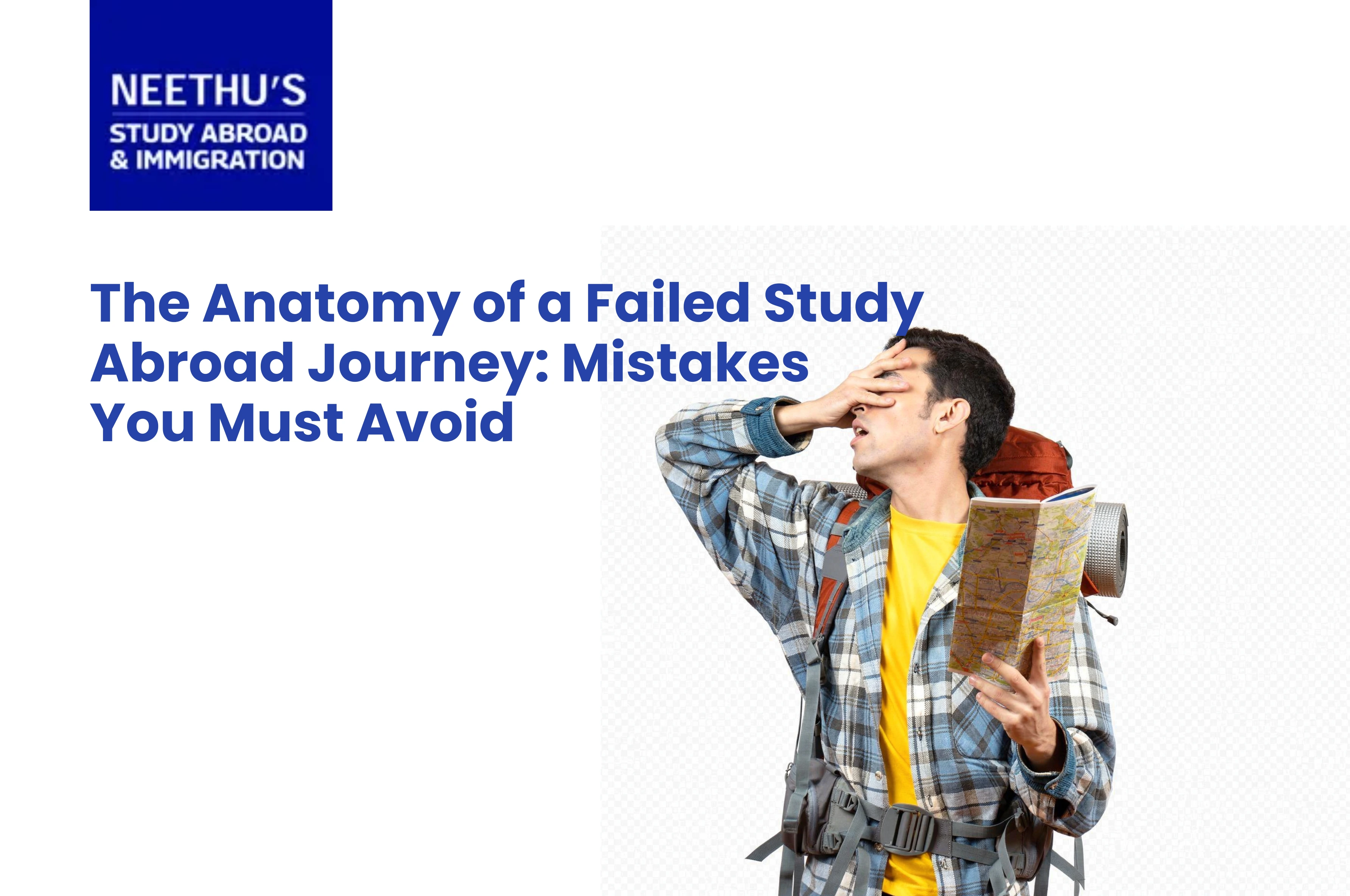
Studying abroad is a dream shared by thousands of students every year. The opportunity to earn an internationally recognized degree, experience a new culture, and build a successful global career is incredibly appealing. However, while many students achieve their goals, others face unexpected challenges that can make their study abroad experience stressful and disappointing.
A failed study abroad journey rarely results from a single mistake. More often, it results from a series of poor decisions, a lack of preparation, and unrealistic expectations. Understanding the most common study abroad mistakes can help students make informed decisions and avoid setbacks that could impact their education, finances, and future career prospects.
In this article, we will explore the key mistakes that often derail study abroad plans and discuss how students can avoid them to ensure a successful international education experience.
Mistake 1: Choosing a Country Based Only on Popularity
One of the biggest mistakes students make is selecting a destination solely because it is popular among their peers. Countries such as the United States, the United Kingdom, Canada, Australia, and Germany attract thousands of international students each year, but that does not mean every country is the right fit for every student.
A country's education system, job opportunities, cost of living, immigration policies, and cultural environment should all be carefully evaluated. Choosing a destination simply because friends are going there can lead to disappointment if it does not align with your academic or career goals.
Students should spend time researching various destinations and selecting a country that supports their long-term aspirations rather than following trends.
Mistake 2: Ignoring University Accreditation and Recognition
Many students focus heavily on rankings and marketing materials while overlooking accreditation and degree recognition. A university may advertise attractive programs and modern facilities, but if the degree is not recognized by employers or professional bodies, it may not provide the expected career benefits.
Before applying, students should verify whether the institution is accredited by relevant educational authorities. It is also important to check whether the degree is accepted in the country where they plan to work after graduation.
Failing to conduct proper research can result in investing significant time and money in a qualification that offers limited professional value.
Mistake 3: Underestimating Financial Requirements
Studying abroad involves much more than tuition fees. Accommodation, transportation, food, health insurance, books, and personal expenses can add up quickly.
Many students create budgets based only on tuition costs and later struggle to manage their finances. Unexpected expenses can create stress and affect academic performance.
Before beginning the application process, students should prepare a realistic financial plan that covers all possible expenses. Having emergency funds and understanding local living costs can help prevent financial difficulties during the study period.
Mistake 4: Delaying the Application Process
Procrastination is one of the most damaging study abroad planning mistakes students can make. Application deadlines, visa appointments, document verification, and scholarship opportunities all follow strict timelines.
Students who wait until the last minute often encounter unnecessary challenges such as missing deadlines, incomplete applications, or delayed visa approvals.
Starting the process early allows sufficient time to gather documents, prepare strong applications, and address any unexpected issues. Proper planning significantly improves the chances of a smooth and successful admission process.
Mistake 5: Neglecting Language Requirements
Many international universities require proof of English language proficiency through examinations such as IELTS, TOEFL, or PTE. Some students underestimate the importance of these tests and begin preparation too late.
Language proficiency affects not only admission but also classroom participation, academic writing, presentations, and everyday communication. Weak language skills can make adapting to a new educational environment much more difficult.
Students should prepare thoroughly for language examinations and continue improving their communication skills even after receiving admission offers.
Mistake 6: Choosing a Course Without Considering Career Goals
Another common mistake is selecting a course based on popularity rather than personal interests and career objectives.
For example, some students choose business, information technology, or healthcare programs simply because they believe these fields offer better job opportunities. However, pursuing a subject that does not align with personal strengths or interests can lead to poor academic performance and reduced job satisfaction.
Students should carefully evaluate their skills, interests, and long-term career ambitions before selecting a program. A well-chosen course increases motivation and creates a stronger foundation for future success.
Mistake 7: Overlooking Visa Requirements
A student visa is one of the most important components of the study abroad process. Unfortunately, many students fail to understand visa conditions and documentation requirements.
Incomplete paperwork, inaccurate information, and missed deadlines can lead to visa refusals. In some cases, students receive admission offers but cannot begin their studies because their visa applications are rejected or delayed.
Understanding visa regulations and following official guidelines carefully can help avoid these problems. Seeking professional guidance when necessary can also be beneficial.
Mistake 8: Having Unrealistic Expectations
Many students imagine that studying abroad will automatically lead to a high-paying job, permanent residency, and a perfect lifestyle. While international education can create valuable opportunities, success still requires hard work, adaptability, and persistence.
Students may experience homesickness, cultural differences, academic pressure, and financial challenges. Expecting everything to be easy can result in disappointment when reality does not match expectations.
Approaching the experience with a realistic mindset helps students adapt more effectively and handle challenges with confidence.
Mistake 9: Failing to Research Employment Opportunities
Part-time work and post-study employment opportunities are important considerations for many international students. However, some students choose a destination without understanding local labor market conditions.
Job availability, work regulations, and employer demand can vary significantly between countries and regions. Researching these factors before making a decision can help students better plan their future.
Understanding employment prospects also allows students to select programs that offer stronger career outcomes after graduation.
Mistake 10: Ignoring Cultural Adaptation
Academic success is only one part of studying abroad. Adjusting to a new culture is equally important.
Students who isolate themselves or resist cultural differences often struggle to integrate into their new environment. Building friendships, participating in university activities, and remaining open-minded can significantly improve the overall experience.
Cultural adaptability helps students develop confidence, communication skills, and a broader global perspective that can benefit them throughout their careers.
Mistake 11: Not Seeking Guidance When Needed
Some students attempt to manage every aspect of the study abroad process independently, even when they are unsure about important decisions. While self-research is valuable, professional guidance can help students avoid costly errors.
Education consultants, university advisors, and official resources can provide accurate information regarding admissions, visas, scholarships, and career planning.
Seeking assistance when necessary does not indicate weakness. Instead, it demonstrates a commitment to making informed decisions.
Mistake 12: Focusing Only on Admission and Not on Long-Term Planning
Receiving an admission letter is exciting, but it should not be viewed as the final goal. Successful international students think beyond admission and plan for their future careers from the beginning.
This includes building professional networks, gaining relevant work experience, participating in internships, and developing skills that employers value.
Long-term planning helps students maximize the return on their educational investment and improves their chances of career success after graduation.
Warning Signs That a Study Abroad Plan Needs Reassessment
Certain signs may indicate that a student's study abroad plan requires further evaluation:
-
Lack of financial preparation
-
Limited research about the destination country
-
Unclear career objectives
-
Poor understanding of visa requirements
-
Unrealistic expectations about employment
-
Choosing a course solely based on popularity
Recognizing these warning signs early allows students to make adjustments before serious problems arise.
How to Build a Successful Study Abroad Journey
Avoiding mistakes is just as important as making good decisions. Students can improve their chances of success by:
-
Researching countries and universities thoroughly
-
Creating a realistic budget
-
Starting applications early
-
Preparing for language tests in advance
-
Choosing courses aligned with career goals
-
Understanding visa requirements
-
Developing cultural adaptability
-
Planning for long-term career growth
A well-prepared student is far more likely to enjoy a positive and rewarding international education experience.
Conclusion
A successful study abroad journey requires much more than securing admission to a foreign university. Careful planning, informed decision-making, and realistic expectations play a critical role in achieving academic and professional goals.
Understanding the common study abroad mistakes made by previous students can help future applicants avoid unnecessary setbacks. Likewise, recognizing potential study abroad planning mistakes early in the process allows students to make smarter choices and prepare effectively for life overseas.
For those considering international education, being aware of the study abroad mistakes Indian students should avoid can make a significant difference in the overall experience. With proper preparation and a clear strategy, studying abroad can become a life-changing opportunity that opens doors to personal growth, global exposure, and long-term career success.
Frequently Asked Questions
1. What are the most common study abroad mistakes students make?
Many students choose a country or course without proper research and fail to consider long-term career goals. Poor financial planning and delayed applications are also among the most common mistakes.
2. Why is choosing the right university important for studying abroad?
The right university can significantly impact your academic experience and future career opportunities. Students should consider accreditation, course quality, faculty, and industry recognition before making a decision.
3. Is it important to research job opportunities before selecting a country?
Absolutely. Understanding part-time work options and post-study employment opportunities can help you make a more informed decision. It also allows you to align your education with future career goals.
4. What are some study abroad mistakes Indian students should avoid?
Indian students should avoid choosing courses based solely on popularity, ignoring financial planning, and relying on incomplete information from unofficial sources. Thorough research and professional guidance can help prevent these common mistakes.
5. How can students make their study abroad journey successful?
Success begins with careful planning, realistic expectations, and informed decision-making. Researching universities, preparing finances, understanding visa requirements, and focusing on long-term career goals can greatly improve the overall experience.
































































_03-12-2025_01-17-26%20PM.webp&w=3840&q=75)
_02-12-2025_03-07-49%20PM.webp&w=3840&q=75)

_27-11-2025_04-06-24%20PM.webp&w=3840&q=75)
_25-11-2025_04-38-18%20PM.webp&w=3840&q=75)
_24-11-2025_03-20-26%20PM.webp&w=3840&q=75)
_22-11-2025_12-44-47%20PM.webp&w=3840&q=75)
_21-11-2025_04-17-47%20PM.webp&w=3840&q=75)
_20-11-2025_03-55-26%20PM.webp&w=3840&q=75)
_18-11-2025_04-00-40%20PM.webp&w=3840&q=75)
_15-11-2025_10-48-43%20AM.webp&w=3840&q=75)
%20(1)_14-11-2025_03-52-25%20PM.webp&w=3840&q=75)
_13-11-2025_03-02-38%20PM.webp&w=3840&q=75)
_08-11-2025_04-15-36%20PM.webp&w=3840&q=75)
_05-11-2025_04-01-50%20PM.webp&w=3840&q=75)
_05-11-2025_03-46-26%20PM.webp&w=3840&q=75)
_03-11-2025_03-31-09%20PM.webp&w=3840&q=75)
_04-11-2025_.webp&w=3840&q=75)
_04-11-2025_.webp&w=3840&q=75)
_28-10-2025_04-09-08%20PM.webp&w=3840&q=75)
_24-10-2025_05-10-31%20PM.webp&w=3840&q=75)
_24-10-2025_04-55-51%20PM.webp&w=3840&q=75)
_22-10-2025_04-40-20%20PM.webp&w=3840&q=75)
%20(1)_21-10-2025_03-05-46%20PM.webp&w=3840&q=75)
_21-10-2025_02-43-15%20PM.webp&w=3840&q=75)
_17-10-2025_05-08-52%20PM.webp&w=3840&q=75)
_17-10-2025_04-54-54%20PM.webp&w=3840&q=75)
_15-10-2025_03-46-47%20PM.webp&w=3840&q=75)
_14-10-2025_03-42-40%20PM.webp&w=3840&q=75)
_14-10-2025_03-29-48%20PM.webp&w=3840&q=75)
_13-10-2025_03-48-51%20PM.webp&w=3840&q=75)
_11-10-2025_04-28-42%20PM.webp&w=3840&q=75)
%20(1)_09-10-2025_04-12-08%20PM.webp&w=3840&q=75)

_07-10-2025_02-55-25%20PM.webp&w=3840&q=75)
_07-10-2025_02-39-51%20PM.webp&w=3840&q=75)
_06-10-2025_03-42-37%20PM.webp&w=3840&q=75)
_03-10-2025_04-42-59%20PM.webp&w=3840&q=75)
_01-10-2025_11-12-12%20AM.webp&w=3840&q=75)
%20(1)_29-09-2025_02-54-12%20PM.webp&w=3840&q=75)

_26-09-2025_12-14-18%20PM.webp&w=3840&q=75)
_24-09-2025_04-44-26%20PM.webp&w=3840&q=75)
_23-09-2025_04-14-36%20PM.webp&w=3840&q=75)
_22-09-2025_04-08-09%20PM.webp&w=3840&q=75)
_20-09-2025_03-26-03%20PM.webp&w=3840&q=75)
_17-09-2025_04-06-42%20PM.webp&w=3840&q=75)
_15-09-2025_04-43-43%20PM.webp&w=3840&q=75)
_13-09-2025_12-17-49%20PM.webp&w=3840&q=75)
_12-09-2025_04-31-36%20PM.webp&w=3840&q=75)
_12-09-2025_04-17-03%20PM.webp&w=3840&q=75)
_10-09-2025_03-59-59%20PM.webp&w=3840&q=75)
_09-09-2025_04-11-16%20PM.webp&w=3840&q=75)
_09-09-2025_03-53-52%20PM.webp&w=3840&q=75)













































_12-06-2025_03-40-35%20PM.webp&w=3840&q=75)