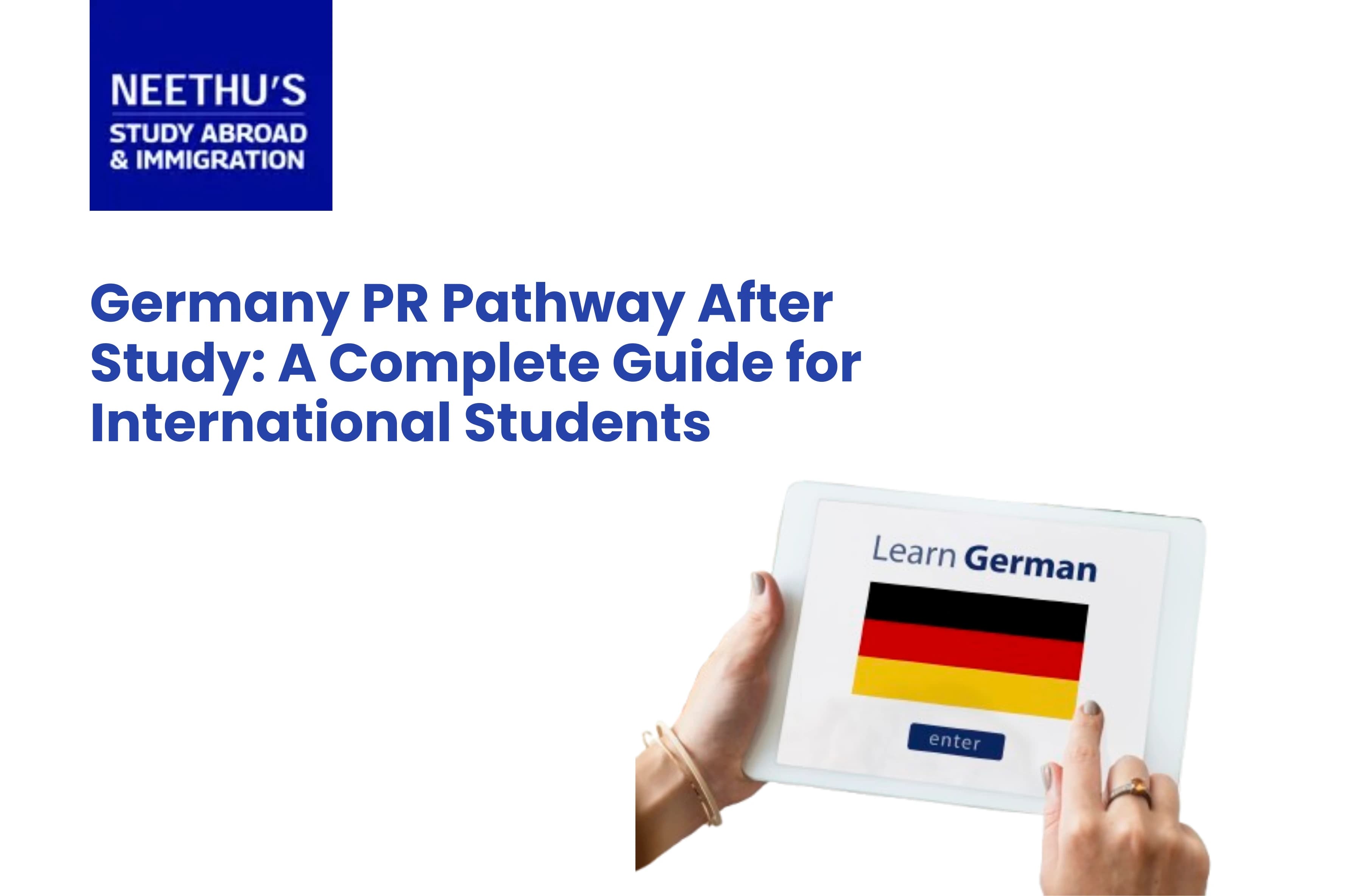
Germany PR Pathway After Study: Complete Guide for International Students 2026
Germany has become one of the most preferred destinations for international students due to its world-class education system, affordable tuition fees, strong economy, and excellent career opportunities. Every year, thousands of students choose Germany not only to earn a globally recognized degree but also to build a long-term future in the country. One of the biggest advantages of studying in Germany is the possibility of transitioning from a student visa to permanent residency.
For many graduates, understanding the process from graduation to permanent residence can seem complicated. However, with the right information and proper planning, the journey becomes much easier. This guide explains the Germany PR pathway after study, including residence permits, job opportunities, eligibility requirements, and the steps needed to establish a successful career and life in Germany.
Why Germany Is a Popular Destination for International Students
Germany offers a combination of academic excellence and career growth that is difficult to find elsewhere. Public universities often charge little to no tuition fees, making higher education accessible to students from around the world. At the same time, Germany has a strong demand for skilled professionals in industries such as engineering, healthcare, information technology, manufacturing, finance, and research.
International graduates who complete their studies in Germany enjoy significant advantages when seeking employment. Employers value graduates who are already familiar with the country's education system, culture, and workplace environment. This creates a smoother transition from student life to professional employment.
What Happens After Graduation in Germany?
Once students complete their degree, they do not need to leave Germany immediately. Instead, they can apply for a residence permit that allows them to stay in the country while searching for employment related to their qualifications.
This post-study residence permit provides graduates with valuable time to find suitable work. During this period, they can attend interviews, build professional networks, and explore career opportunities throughout Germany.
For many international students, obtaining a work permit after study in Germany is the first major step toward long-term settlement and eventual permanent residency.
Understanding the Job-Seeking Residence Permit
After graduation, international students can apply for an 18-month residence permit designed specifically for job seekers. This permit allows graduates to remain in Germany while searching for employment that matches their educational background.
The key benefits of this permit include:
-
Staying legally in Germany after graduation
-
Searching for full-time employment
-
Working in temporary jobs while seeking a suitable position
-
Building professional experience and industry connections
-
Preparing for a long-term residence pathway
The 18-month period gives graduates sufficient time to secure a role that aligns with their qualifications and career goals.
Securing Employment After Graduation
Finding a qualified job is one of the most important milestones on the pathway to permanent residency. Germany's labour market actively seeks skilled professionals, especially in sectors experiencing workforce shortages.
Graduates should focus on:
Building a Professional Resume
A well-structured German-style CV can significantly improve employment prospects. Employers appreciate clear, concise, and professional applications that highlight education, internships, projects, and relevant skills.
Improving German Language Skills
Although many multinational companies operate in English, German language proficiency remains a major advantage. Better language skills often lead to broader employment opportunities and easier workplace integration.
Networking With Employers
Career fairs, university events, internship programs, and professional networking platforms can help graduates connect with potential employers.
Targeting High-Demand Industries
Germany continues to experience demand for skilled professionals in:
-
Engineering
-
Information Technology
-
Healthcare and Nursing
-
Data Science
-
Manufacturing
-
Logistics
-
Renewable Energy
-
Research and Development
Graduates who secure employment in these sectors may experience a smoother transition toward long-term residency.
From Employment to Residence Permit
Once graduates receive a job offer related to their qualifications, they can apply for a work-based residence permit. The type of permit depends on factors such as salary level, occupation, and educational qualifications.
At this stage, many graduates begin the process commonly associated with the Germany work permit after study pathway. This permit allows them to live and work legally in Germany while building the professional experience necessary for permanent residence.
A stable job not only provides financial security but also demonstrates long-term integration into German society, which is an important factor in future residency applications.
The EU Blue Card Option
One of the most attractive pathways for skilled international graduates is the EU Blue Card.
The EU Blue Card is designed for highly qualified professionals who have recognized academic qualifications and a job offer that meets the required salary threshold.
Benefits of the EU Blue Card include:
-
Faster access to permanent residency
-
Greater employment flexibility
-
Easier mobility within certain European countries
-
Family reunification advantages
-
Long-term career stability
Many international graduates choose this route because it offers a clear and structured path toward permanent residence.
Permanent Residency in Germany
Permanent residency, often referred to as a settlement permit, allows foreign nationals to live and work in Germany indefinitely without needing to renew temporary residence permits.
Permanent residents enjoy many of the same rights as German citizens, including unrestricted employment opportunities and long-term security.
General Requirements for Permanent Residency
Although requirements can vary depending on the type of residence permit, applicants typically need:
-
A valid residence permit
-
Stable employment
-
Sufficient income to support themselves
-
Contributions to the German pension system
-
Adequate living accommodation
-
German language proficiency
-
Knowledge of German society and legal systems
-
Compliance with immigration regulations
Meeting these requirements demonstrates successful integration into German society.
How Long Does It Take to Obtain PR?
The timeline for obtaining permanent residency depends on the residence category under which a graduate is living and working.
Standard Work Permit Holders
Graduates holding a regular work-based residence permit generally become eligible for permanent residency after several years of employment and social security contributions.
EU Blue Card Holders
EU Blue Card holders may qualify for permanent residency sooner than standard permit holders. The exact timeframe can vary based on language proficiency and employment history.
Because of these advantages, many international graduates aim to qualify for the Blue Card as early as possible.
Importance of Social Security Contributions
Germany's social security system plays a significant role in the permanent residency process.
Employees contribute to several programs, including:
-
Pension insurance
-
Health insurance
-
Unemployment insurance
-
Long-term care insurance
Regular contributions demonstrate economic participation and long-term commitment to living and working in Germany.
Graduates should ensure their employment is properly registered and compliant with German labour regulations to avoid future complications.
Family Benefits During the PR Journey
International graduates who establish themselves professionally in Germany often wish to bring family members to join them.
Depending on the residence permit type, spouses and children may be eligible for family reunification visas.
Family members can often benefit from:
-
Access to education
-
Healthcare services
-
Employment opportunities
-
Long-term residency options
This makes Germany an attractive destination for those seeking not only career growth but also a stable family life.
Can Permanent Residency Lead to Citizenship?
Yes. Permanent residency can eventually serve as a pathway to German citizenship for eligible individuals.
Citizenship requirements may include:
-
Long-term legal residence
-
Financial independence
-
German language proficiency
-
Knowledge of German culture and laws
-
Compliance with citizenship regulations
Although permanent residency and citizenship are separate statuses, obtaining PR is often an important step toward becoming a German citizen.
Common Challenges International Graduates Face
While Germany offers excellent opportunities, graduates may encounter certain challenges during their journey.
Language Barriers
Even in international workplaces, everyday communication often requires German language skills.
Competitive Job Market
Some industries can be highly competitive, making networking and practical experience important.
Understanding Bureaucratic Processes
German administrative procedures may appear complex at first. Maintaining accurate documentation and meeting deadlines is essential.
Cultural Adaptation
Adjusting to workplace expectations, communication styles, and social norms can take time.
Despite these challenges, most graduates find that Germany rewards persistence and professional dedication.
Tips for a Successful PR Journey
Students planning to remain in Germany after graduation should begin preparing early.
Helpful strategies include:
-
Learning German during studies
-
Completing internships
-
Building professional networks
-
Maintaining strong academic performance
-
Understanding immigration regulations
-
Keeping employment and residence documents organized
-
Staying informed about changing visa requirements
Proactive planning can significantly improve long-term success.
Conclusion
Germany offers one of the most structured and achievable pathways from international education to permanent residency. Graduates benefit from generous post-study opportunities, a strong labour market, and multiple residence options that support long-term settlement.
The journey typically begins with a work permit after study in Germany, allowing graduates to gain professional experience and establish their careers. As graduates gain stable employment and meet the required conditions, they can apply for permanent residency through a Germany work permit after study or an EU Blue Card.
With proper planning, language development, and career growth, international students can successfully transform their German education into a secure and rewarding future, making Germany not just a study destination but a place to build a lifelong career and home.
Frequently Asked Questions
1. Can international students stay in Germany after graduation?
Yes, international students can stay in Germany after completing their studies by applying for an 18-month job-seeking residence permit. This allows graduates to search for employment related to their qualifications while remaining in the country legally.
2. What is the first step toward permanent residency after graduation?
The first step is usually obtaining a suitable job and applying for a residence permit based on employment. This helps graduates begin building the work experience and social security contributions required for permanent residency.
3. How does a work permit after study in Germany help with PR?
A work permit after study in Germany allows graduates to work legally and gain professional experience in their field. Continuous employment and compliance with residency requirements can eventually lead to permanent residency eligibility.
4. What is the EU Blue Card, and why is it important?
The EU Blue Card is a residence permit for highly qualified professionals with recognized degrees and eligible job offers. It offers several benefits, including a faster route to permanent residency and greater career flexibility.
5. How long does it take to get permanent residency in Germany?
The timeframe varies depending on the type of residence permit and individual circumstances. EU Blue Card holders may qualify sooner, while regular work permit holders generally need a longer period of employment and contributions.










_03-12-2025_01-17-26%20PM.webp&w=3840&q=75)
_02-12-2025_03-07-49%20PM.webp&w=3840&q=75)
_27-11-2025_04-06-24%20PM.webp&w=3840&q=75)
_25-11-2025_04-38-18%20PM.webp&w=3840&q=75)
_24-11-2025_03-20-26%20PM.webp&w=3840&q=75)
_22-11-2025_12-44-47%20PM.webp&w=3840&q=75)
_21-11-2025_04-17-47%20PM.webp&w=3840&q=75)
_20-11-2025_03-55-26%20PM.webp&w=3840&q=75)
_18-11-2025_04-00-40%20PM.webp&w=3840&q=75)
_15-11-2025_10-48-43%20AM.webp&w=3840&q=75)
%20(1)_14-11-2025_03-52-25%20PM.webp&w=3840&q=75)
_13-11-2025_03-02-38%20PM.webp&w=3840&q=75)
_08-11-2025_04-15-36%20PM.webp&w=3840&q=75)
_05-11-2025_04-01-50%20PM.webp&w=3840&q=75)
_05-11-2025_03-46-26%20PM.webp&w=3840&q=75)
_03-11-2025_03-31-09%20PM.webp&w=3840&q=75)
_04-11-2025_.webp&w=3840&q=75)
_04-11-2025_.webp&w=3840&q=75)
_28-10-2025_04-09-08%20PM.webp&w=3840&q=75)
_24-10-2025_05-10-31%20PM.webp&w=3840&q=75)
_24-10-2025_04-55-51%20PM.webp&w=3840&q=75)
_22-10-2025_04-40-20%20PM.webp&w=3840&q=75)
%20(1)_21-10-2025_03-05-46%20PM.webp&w=3840&q=75)
_21-10-2025_02-43-15%20PM.webp&w=3840&q=75)
_17-10-2025_05-08-52%20PM.webp&w=3840&q=75)
_17-10-2025_04-54-54%20PM.webp&w=3840&q=75)
_15-10-2025_03-46-47%20PM.webp&w=3840&q=75)
_14-10-2025_03-42-40%20PM.webp&w=3840&q=75)
_14-10-2025_03-29-48%20PM.webp&w=3840&q=75)
_13-10-2025_03-48-51%20PM.webp&w=3840&q=75)
_11-10-2025_04-28-42%20PM.webp&w=3840&q=75)
%20(1)_09-10-2025_04-12-08%20PM.webp&w=3840&q=75)
_07-10-2025_02-55-25%20PM.webp&w=3840&q=75)
_07-10-2025_02-39-51%20PM.webp&w=3840&q=75)
_06-10-2025_03-42-37%20PM.webp&w=3840&q=75)
_03-10-2025_04-42-59%20PM.webp&w=3840&q=75)
_01-10-2025_11-12-12%20AM.webp&w=3840&q=75)
%20(1)_29-09-2025_02-54-12%20PM.webp&w=3840&q=75)
_26-09-2025_12-14-18%20PM.webp&w=3840&q=75)
_24-09-2025_04-44-26%20PM.webp&w=3840&q=75)
_23-09-2025_04-14-36%20PM.webp&w=3840&q=75)
_22-09-2025_04-08-09%20PM.webp&w=3840&q=75)
_20-09-2025_03-26-03%20PM.webp&w=3840&q=75)
_17-09-2025_04-06-42%20PM.webp&w=3840&q=75)
_15-09-2025_04-43-43%20PM.webp&w=3840&q=75)
_13-09-2025_12-17-49%20PM.webp&w=3840&q=75)
_12-09-2025_04-31-36%20PM.webp&w=3840&q=75)
_12-09-2025_04-17-03%20PM.webp&w=3840&q=75)
_10-09-2025_03-59-59%20PM.webp&w=3840&q=75)
_09-09-2025_04-11-16%20PM.webp&w=3840&q=75)
_09-09-2025_03-53-52%20PM.webp&w=3840&q=75)











_12-06-2025_03-40-35%20PM.webp&w=3840&q=75)