Part-Time Jobs in Georgia | Guide for International Students
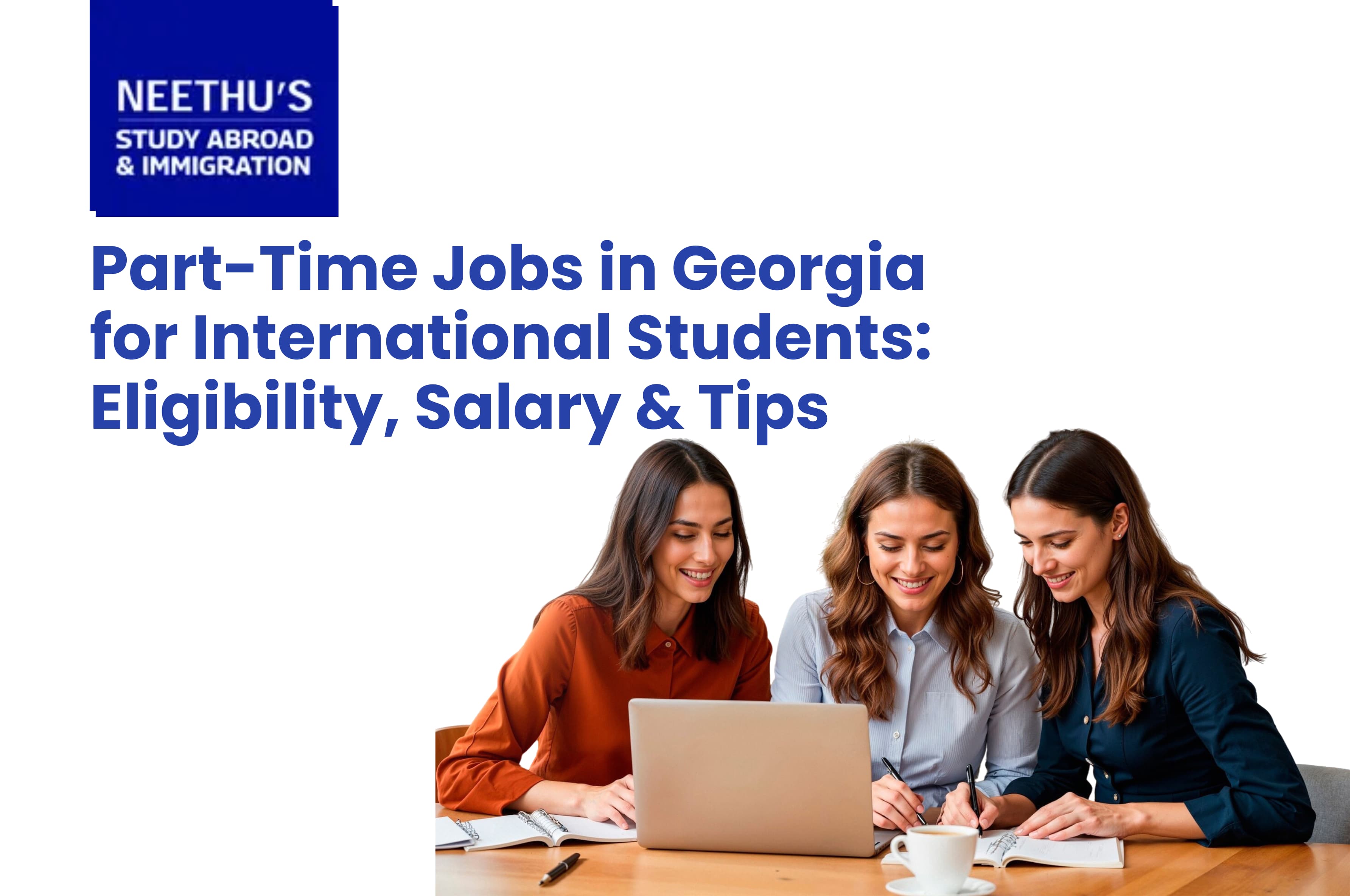
Introduction
For many students, studying abroad is more than earning a degree—it is also an opportunity to gain practical experience, develop professional skills, and become financially independent. Along with academics, many international students look for flexible employment that allows them to manage their daily expenses while building valuable work experience.
The availability of part time jobs in Georgia for International Students has made the country an attractive destination for students seeking affordable education and practical exposure. Georgia offers a welcoming environment, reasonable living costs, and a growing job market where students can explore employment opportunities while pursuing their studies.
Whether you are enrolled in a medical, engineering, business, or information technology program, working part-time can help you improve communication skills, understand workplace culture, and strengthen your resume before graduation.
Can International Students Work in Georgia?
Georgia provides opportunities for international students to work while studying, provided they comply with university requirements and local regulations. Before accepting any job, students should understand the conditions attached to their residence status and ensure that employment does not interfere with their academic responsibilities.
Since regulations may change over time, students should always confirm the latest requirements with their university's international office or the relevant government authorities before starting work.
Maintaining good academic performance should remain the top priority throughout the study period.
Benefits of Working While Studying
Taking up a part-time job offers several advantages beyond earning an income.
Some of the key benefits include:
-
Gaining practical work experience.
-
Improving communication and interpersonal skills.
-
Developing time management abilities.
-
Building professional confidence.
-
Expanding your professional network.
-
Learning workplace ethics and responsibilities.
-
Managing personal expenses independently.
These experiences often help students become more competitive when applying for internships or full-time positions after graduation.
Popular Part-Time Jobs for Students
International students can find employment across different industries depending on their qualifications, language skills, and availability.
Some of the common student jobs in Georgia include:
Retail Assistant
Many supermarkets, shopping centres, and retail stores hire students to assist customers, arrange merchandise, and manage billing counters.
Restaurant and Café Staff
Restaurants, cafés, and fast-food outlets frequently recruit students for customer service, cashier, and food preparation roles. The flexible schedules make these jobs ideal for students balancing academics.
Customer Support Executive
Companies serving international clients often look for English-speaking employees to handle customer inquiries through phone, email, or online chat.
Private Tutor
Students with strong academic knowledge can earn additional income by tutoring school children or fellow university students in subjects such as mathematics, science, or English.
Administrative Assistant
Some universities and private businesses hire students to assist with office work, document management, scheduling, and basic administrative tasks.
Delivery Services
Students with suitable transportation options may work with delivery companies during weekends or after class hours.
Freelance Opportunities
Students with skills in writing, graphic design, programming, digital marketing, or video editing can take on freelance projects that provide flexible working schedules.
Average Salary for Part-Time Jobs
Part-time salaries in Georgia depend on the type of work, employer, city, working hours, and the student's skills.
On average, students may earn an hourly wage that helps cover expenses such as:
-
Accommodation
-
Food
-
Transportation
-
Mobile and internet bills
-
Personal expenses
Higher-paying opportunities may be available for students with specialized technical skills, multilingual abilities, or previous work experience.
Balancing Work and Studies
Successfully managing both academics and employment requires proper planning.
Students should:
-
Create a weekly schedule.
-
Prioritize assignments and examinations.
-
Avoid accepting excessive working hours.
-
Maintain regular attendance in classes.
-
Set realistic work commitments.
A balanced routine allows students to benefit from employment without affecting their academic performance.
Skills Employers Value
Many employers look beyond academic qualifications when hiring students.
Some highly valued skills include:
-
Good communication
-
Punctuality
-
Teamwork
-
Adaptability
-
Basic computer knowledge
-
Problem-solving ability
-
Positive attitude
-
Customer service skills
Developing these qualities during university can improve future employment prospects.
Combining Education with Practical Experience
Many students choose to study and work in Georgia because it provides an opportunity to gain real-world experience while completing their education. Working alongside studies helps students understand professional expectations, improve confidence, and develop workplace skills that are valuable after graduation.
When managed responsibly, part-time employment becomes an important part of the overall international study experience.
Eligibility to Work While Studying
Before accepting a part-time position, international students should make sure they meet the applicable legal and university requirements. Employment conditions may vary depending on a student's nationality, residence status, and the institution they are enrolled in.
Students are generally advised to:
-
Maintain active enrollment at a recognized university.
-
Keep their academic performance in good standing.
-
Follow the conditions of their residence permit or visa.
-
Stay informed about any updates to local employment regulations.
Since policies can change, checking with the university's international student office or the relevant authorities is always recommended.
Where to Find Part-Time Jobs
Finding a suitable job becomes much easier when students use multiple resources during their search.
Popular job search options include:
-
University career centres
-
Online job portals
-
Company career websites
-
Social media platforms
-
Recruitment agencies
-
Student communities and networking events
-
Referrals from friends and classmates
Preparing a professional CV and applying to several opportunities can improve the chances of securing suitable student jobs in Georgia.
Tips for Getting Hired
Competition for part-time roles can vary depending on the city and industry. Students who prepare well often have a better chance of receiving interview calls.
Some useful tips include:
-
Keep your resume clear and updated.
-
Highlight your language and computer skills.
-
Practice common interview questions.
-
Apply to multiple employers instead of relying on a single application.
-
Be punctual and professional during interviews.
-
Build connections through university events and networking opportunities.
Employers appreciate candidates who demonstrate reliability, enthusiasm, and a willingness to learn.
Challenges International Students May Face
Working while studying can be rewarding, but it also comes with certain challenges.
Students may experience:
-
Difficulty balancing classes and work schedules.
-
Language barriers in customer-facing roles.
-
Limited availability of part-time positions during certain seasons.
-
Managing academic deadlines alongside work commitments.
-
Adjusting to a new workplace culture.
Proper planning, effective communication, and good time management can help overcome these challenges and create a positive work experience.
Managing Your Time Effectively
Balancing work with university studies requires discipline and organization. Students should create a schedule that gives equal importance to academics, employment, and personal well-being.
Simple habits that make a difference include:
-
Planning weekly study hours.
-
Completing assignments before deadlines.
-
Avoiding late-night work before examinations.
-
Taking regular breaks to avoid burnout.
-
Maintaining a healthy lifestyle through proper sleep and nutrition.
A balanced routine not only improves academic performance but also helps students stay motivated throughout their studies.
Can Part-Time Work Support Living Expenses?
Although part-time employment can provide additional income, students should not rely on it as their primary source of financial support. Earnings are generally sufficient to help with everyday expenses such as groceries, transportation, mobile bills, or recreational activities.
Tuition fees and major educational costs should ideally be planned in advance. Working while studying should be viewed as an opportunity to gain experience and reduce day-to-day expenses rather than a way to finance an entire education.
Why Many Students Choose Georgia
An increasing number of international students decide to study and work in Georgia because the country offers an affordable education system, welcoming communities, and practical opportunities to gain workplace experience.
Its reasonable living costs, English-medium programs, and growing economy create an environment where students can focus on their education while developing professional skills that are valuable after graduation.
Final Thoughts
Working during university can be an excellent way to develop confidence, improve employability, and gain practical exposure in a professional environment. Students who carefully balance employment with academic responsibilities often graduate with stronger communication, teamwork, and problem-solving skills.
Exploring part time jobs in Georgia for International Students can provide valuable work experience while helping students manage everyday living expenses. At the same time, understanding local employment rules and maintaining strong academic performance should always remain the top priorities.
For those planning to study& work in Georgia, early preparation, responsible time management, and a proactive approach to job searching can make the overall study abroad experience more rewarding. With the right planning and realistic expectations, students can successfully balance education and employment while building a solid foundation for their future careers.
Frequently Asked Questions
1. Can international students work part-time in Georgia?
Yes, international students may be able to work part-time in Georgia, provided they comply with local regulations and the conditions of their visa or residence permit. Students should check the latest requirements before accepting employment.
2. What are the most common part-time jobs for international students in Georgia?
Popular part-time jobs include roles in retail stores, restaurants, cafés, customer service, tutoring, administrative support, delivery services, and freelance work.
3. How much can international students earn from part-time jobs in Georgia?
Earnings vary depending on the employer, job role, location, and working hours. Part-time income can help cover daily living expenses such as food, transport, and personal costs.
4. Can part-time jobs cover all study expenses in Georgia?
No. Part-time earnings are generally intended to support day-to-day living expenses and should not be considered the primary source for paying tuition fees or major educational costs.
5. Where can students find part-time job opportunities in Georgia?
Students can search through university career centres, online job portals, company websites, recruitment agencies, networking events, and referrals from friends or classmates.
6. Do I need to know the Georgian language to get a part-time job?
Not always. Many employers hire English-speaking students, especially in customer service, hospitality, tourism, and international companies. However, knowing basic Georgian can improve your employment opportunities.
7. How can I balance studies and a part-time job?
Creating a weekly schedule, prioritizing academic responsibilities, managing work hours carefully, and maintaining a healthy routine can help students balance both effectively.
8. What skills improve my chances of getting hired?
Strong communication skills, teamwork, time management, computer proficiency, customer service experience, and a positive attitude are qualities that many employers value.
9. Is prior work experience required for student jobs in Georgia?
No. Many entry-level part-time positions are suitable for students without previous work experience. Employers often provide basic training after recruitment.
10. What should I do before accepting a part-time job in Georgia?
Before starting work, verify that your employment complies with local laws and your residence status, prepare a professional CV, and understand your work responsibilities and schedule.











































_03-12-2025_01-17-26%20PM.webp&w=3840&q=75)
_02-12-2025_03-07-49%20PM.webp&w=3840&q=75)

_27-11-2025_04-06-24%20PM.webp&w=3840&q=75)
_25-11-2025_04-38-18%20PM.webp&w=3840&q=75)
_24-11-2025_03-20-26%20PM.webp&w=3840&q=75)
_22-11-2025_12-44-47%20PM.webp&w=3840&q=75)
_21-11-2025_04-17-47%20PM.webp&w=3840&q=75)
_20-11-2025_03-55-26%20PM.webp&w=3840&q=75)
_18-11-2025_04-00-40%20PM.webp&w=3840&q=75)
_15-11-2025_10-48-43%20AM.webp&w=3840&q=75)
%20(1)_14-11-2025_03-52-25%20PM.webp&w=3840&q=75)
_13-11-2025_03-02-38%20PM.webp&w=3840&q=75)
_08-11-2025_04-15-36%20PM.webp&w=3840&q=75)
_05-11-2025_04-01-50%20PM.webp&w=3840&q=75)
_05-11-2025_03-46-26%20PM.webp&w=3840&q=75)
_03-11-2025_03-31-09%20PM.webp&w=3840&q=75)
_04-11-2025_.webp&w=3840&q=75)
_04-11-2025_.webp&w=3840&q=75)
_28-10-2025_04-09-08%20PM.webp&w=3840&q=75)
_24-10-2025_05-10-31%20PM.webp&w=3840&q=75)
_24-10-2025_04-55-51%20PM.webp&w=3840&q=75)
_22-10-2025_04-40-20%20PM.webp&w=3840&q=75)
%20(1)_21-10-2025_03-05-46%20PM.webp&w=3840&q=75)
_21-10-2025_02-43-15%20PM.webp&w=3840&q=75)
_17-10-2025_05-08-52%20PM.webp&w=3840&q=75)
_17-10-2025_04-54-54%20PM.webp&w=3840&q=75)
_15-10-2025_03-46-47%20PM.webp&w=3840&q=75)
_14-10-2025_03-42-40%20PM.webp&w=3840&q=75)
_14-10-2025_03-29-48%20PM.webp&w=3840&q=75)
_13-10-2025_03-48-51%20PM.webp&w=3840&q=75)
_11-10-2025_04-28-42%20PM.webp&w=3840&q=75)
%20(1)_09-10-2025_04-12-08%20PM.webp&w=3840&q=75)

_07-10-2025_02-55-25%20PM.webp&w=3840&q=75)
_07-10-2025_02-39-51%20PM.webp&w=3840&q=75)
_06-10-2025_03-42-37%20PM.webp&w=3840&q=75)
_03-10-2025_04-42-59%20PM.webp&w=3840&q=75)
_01-10-2025_11-12-12%20AM.webp&w=3840&q=75)
%20(1)_29-09-2025_02-54-12%20PM.webp&w=3840&q=75)

_26-09-2025_12-14-18%20PM.webp&w=3840&q=75)
_24-09-2025_04-44-26%20PM.webp&w=3840&q=75)
_23-09-2025_04-14-36%20PM.webp&w=3840&q=75)
_22-09-2025_04-08-09%20PM.webp&w=3840&q=75)
_20-09-2025_03-26-03%20PM.webp&w=3840&q=75)
_17-09-2025_04-06-42%20PM.webp&w=3840&q=75)
_15-09-2025_04-43-43%20PM.webp&w=3840&q=75)
_13-09-2025_12-17-49%20PM.webp&w=3840&q=75)
_12-09-2025_04-31-36%20PM.webp&w=3840&q=75)
_12-09-2025_04-17-03%20PM.webp&w=3840&q=75)
_10-09-2025_03-59-59%20PM.webp&w=3840&q=75)
_09-09-2025_04-11-16%20PM.webp&w=3840&q=75)
_09-09-2025_03-53-52%20PM.webp&w=3840&q=75)







































_12-06-2025_03-40-35%20PM.webp&w=3840&q=75)