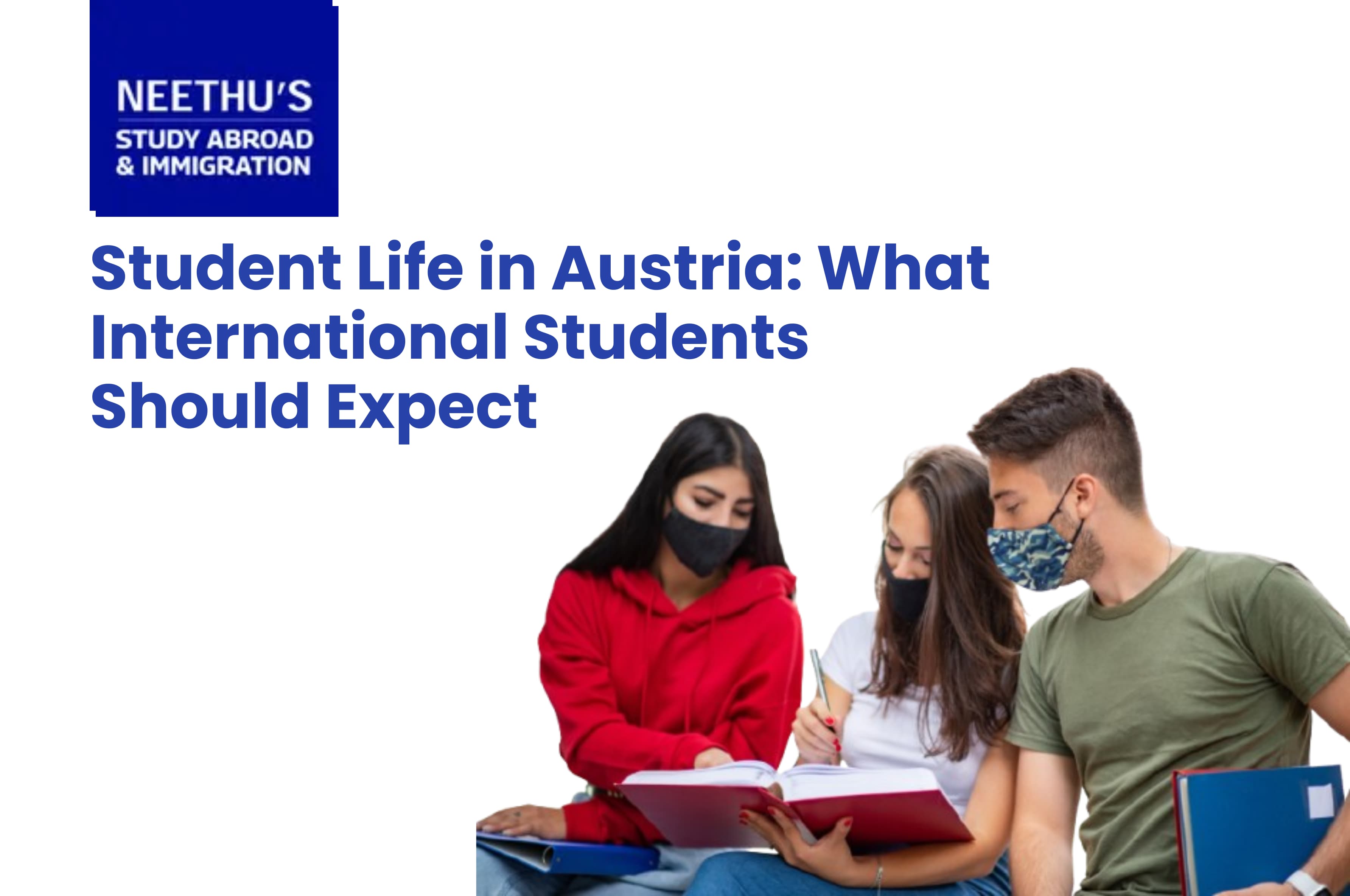
Student Life in Austria: What International Students Should Expect
Introduction
Austria is one of Europe's most attractive study destinations, offering world-class education, a safe environment, and a high standard of living. Every year, thousands of international students choose Austrian universities to pursue undergraduate, postgraduate, and doctoral programs across various disciplines. Beyond academics, the country provides opportunities to experience a rich cultural heritage, modern infrastructure, and a welcoming multicultural environment.
Understanding student life in Austria is essential before beginning your academic journey. While university education is rewarding, adapting to a new country requires preparation. Students need to become familiar with accommodation options, transportation, healthcare, budgeting, cultural differences, and campus life. Fortunately, Austria offers excellent support services that help international students settle in comfortably.
Whether you plan to study in Vienna, Graz, Innsbruck, Linz, or Salzburg, you'll discover a balanced lifestyle where education, personal growth, and recreation go hand in hand. This guide explains what international students can realistically expect while studying in Austria and how to make the most of their experience.
A High-Quality Education System
Austria is home to several internationally recognized universities known for academic excellence and research opportunities. Students benefit from experienced professors, well-equipped laboratories, extensive libraries, and modern learning facilities.
Most universities encourage independent learning, critical thinking, and collaborative projects instead of relying solely on classroom lectures. Students are expected to participate actively in discussions, complete assignments on time, and engage in research-based learning.
International students also enjoy access to digital resources, student mentoring programs, language support, and academic counseling throughout their studies.
A Safe and Comfortable Lifestyle
Austria is widely recognized as one of Europe's safest countries, offering a secure and welcoming environment for international students. Low crime rates, efficient public services, and reliable healthcare contribute to a secure environment for students.
Cities are clean, well-organized, and pedestrian-friendly. Whether walking, cycling, or using public transport, students can travel confidently throughout the country.
Universities also provide emergency assistance, counseling services, and orientation programs that help new students adapt quickly.
Accommodation Options
Finding suitable accommodation is one of the first tasks after receiving admission.
Popular housing options include:
-
University dormitories
-
Private student residences
-
Shared apartments
-
Studio apartments
-
Homestays with local families
University residences are usually the most affordable choice and provide opportunities to meet students from different countries. Shared apartments are another popular option, allowing students to split rent and utility expenses.
Accommodation costs depend on the city, room type, and available facilities. Vienna generally has higher rental prices than smaller cities like Graz or Klagenfurt.
Cost of Living
Austria offers an excellent quality of life, although living costs vary between cities.
Students should budget for:
-
Rent
-
Food and groceries
-
Public transportation
-
Health insurance
-
Internet and mobile services
-
Study materials
-
Entertainment
-
Personal expenses
Cooking at home, using student discounts, and choosing shared accommodation can significantly reduce monthly expenses.
Proper budgeting allows students to enjoy both academic life and recreational activities without financial stress.
Public Transportation
Austria has one of Europe's most efficient public transportation systems.
Students can travel using:
-
Trams
-
Buses
-
Metro services
-
Regional trains
-
Intercity rail networks
Many cities offer discounted student travel passes, making daily commuting affordable.
Cycling is equally popular, with dedicated bike lanes available across most urban areas.
Food and Daily Living
International students quickly discover that Austria offers a wide variety of dining choices.
Students can enjoy:
-
Traditional Austrian cuisine
-
International restaurants
-
Vegetarian and vegan options
-
Halal grocery stores
-
Asian supermarkets
-
Indian restaurants in larger cities
Most universities have cafeterias serving nutritious meals at student-friendly prices.
Supermarkets provide affordable groceries, making home cooking an economical option for students living independently.
Cultural Diversity
Austria welcomes students from across Europe, Asia, Africa, and the Americas.
This multicultural environment encourages students to:
-
Build international friendships
-
Learn about different cultures
-
Improve communication skills
-
Participate in cultural festivals
-
Join international student associations
Universities frequently organize orientation events, cultural exchange programs, and social gatherings that help international students integrate into campus life.
Studying alongside classmates from diverse backgrounds enhances both personal and professional development while creating lifelong global connections.
Language and Communication
Although many degree programs are taught in English, learning basic German is highly beneficial.
Knowing the local language helps students:
-
Communicate confidently with local residents
-
Shop and travel more easily
-
Access part-time employment opportunities
-
Build stronger community connections
Many universities offer German language courses specifically designed for international students, making it easier to adapt to daily life.
Healthcare and Student Insurance
Health insurance is an important requirement for international students studying in Austria. Depending on their nationality and course duration, students may need to obtain public or private health insurance that meets Austrian regulations. Having valid insurance ensures access to quality medical care, including doctor consultations, hospital treatment, and emergency services.
Austria has a well-developed healthcare system, and universities often provide guidance on choosing suitable insurance providers during the admission or orientation process.
Student Clubs and Campus Activities
University life extends far beyond classrooms. Austrian universities encourage students to participate in extracurricular activities that support personal and professional development.
Students can join:
-
Sports clubs
-
Cultural associations
-
Music and arts groups
-
Debate societies
-
Entrepreneurship clubs
-
Volunteer organizations
-
International student communities
Taking part in these activities helps students build friendships, develop leadership skills, and create a balanced university experience.
Managing Finances as a Student
Good financial planning allows students to enjoy their time in Austria without unnecessary stress. Creating a monthly budget helps cover essential expenses while leaving room for leisure activities and travel.
Simple ways to save money include:
-
Using student discounts on transport and entertainment
-
Preparing meals at home
-
Purchasing second-hand textbooks
-
Sharing accommodation with other students
-
Taking advantage of university facilities such as libraries and fitness centers
Many businesses and attractions across Austria offer special discounts for students, helping reduce everyday expenses.
Employment Opportunities During Studies
Many international students choose to work while studying to gain practical experience and supplement their income. Part time jobs in Austria for international students are available in sectors such as retail, hospitality, customer service, administration, tourism, and university research.
Students should always check the employment regulations that apply to their residence permit before accepting a job. Depending on nationality and visa conditions, some students may require a work permit or have restrictions on the number of hours they can work.
Balancing employment with academic responsibilities is important, as university studies should remain the primary focus.
Building Career Skills
Studying in Austria offers valuable opportunities to prepare for a successful career. Universities regularly organize career fairs, networking events, internships, and workshops that connect students with employers.
Career services commonly assist students with:
-
CV and resume preparation
-
Interview practice
-
Internship applications
-
Job search guidance
-
Professional networking
These resources help students develop workplace skills before graduation and improve their employment prospects.
Exploring Austria During Your Studies
Living in Austria gives students the chance to explore beautiful landscapes, historic cities, and cultural landmarks throughout the year.
Popular experiences include:
-
Visiting museums and art galleries
-
Exploring castles and historic towns
-
Hiking in the Alps
-
Skiing during winter
-
Attending music festivals and local events
-
Discovering nearby European countries during holidays
Austria's central location makes travel to neighboring countries convenient, allowing students to broaden their international experience while studying.
Tips for International Students
Adjusting to life in a new country becomes easier with proper preparation. Consider these practical tips before and after arriving in Austria:
-
Complete all university and visa formalities on time.
-
Carry important academic and identification documents safely.
-
Learn basic German phrases for everyday communication.
-
Plan a realistic monthly budget.
-
Attend university orientation sessions.
-
Build relationships with classmates and professors.
-
Stay informed about local laws and university policies.
-
Maintain a healthy balance between academics and personal life.
These habits can help students adapt more quickly and enjoy a rewarding educational experience.
Balancing Studies and Work
While earning additional income can be beneficial, students should carefully manage their schedules. Part time jobs in Austria for international students provide valuable workplace exposure, improve communication skills, and help students understand the local work culture. However, maintaining strong academic performance should always remain the highest priority.
Choosing flexible work opportunities that fit around university timetables enables students to gain practical experience without compromising their education.
Conclusion
Choosing Austria as a study destination offers much more than earning an internationally recognized degree. Students benefit from excellent universities, modern infrastructure, cultural diversity, reliable public transport, and a safe environment that supports both academic and personal growth. With careful financial planning, active participation in campus activities, and a willingness to embrace new experiences, international students can make the most of their educational journey.
Understanding student life in Austria before you arrive helps you prepare for everyday responsibilities while making it easier to adapt to a new culture. From quality education and rewarding career opportunities to memorable travel experiences and lifelong friendships, studying in Austria provides a strong foundation for future success.
Frequently Asked Questions (FAQs)
1. Is Austria a good destination for international students?
Yes, Austria is an excellent study destination due to its high-quality education system, safe environment, affordable public universities, and multicultural student community.
2. What is the average cost of living for international students in Austria?
The average monthly living cost ranges from €900 to €1,400, depending on the city, accommodation type, and personal lifestyle.
3. Are part-time jobs available for international students in Austria?
Yes, international students can find part-time work in sectors such as hospitality, retail, administration, tourism, and university departments, subject to visa and work permit regulations.
4. Do international students need health insurance in Austria?
Yes. Health insurance is mandatory for most international students and provides access to Austria's healthcare system during their studies.
5. Is it necessary to learn German while studying in Austria?
Although many university programs are offered in English, learning basic German can make daily life easier and improve employment opportunities.
6. What types of accommodation are available for students in Austria?
Students can choose from university dormitories, private student residences, shared apartments, studio apartments, and homestays, depending on their budget and preferences.
7. Can international students travel within Europe while studying in Austria?
Yes. Austria's central location and excellent transport network make it convenient for students to visit neighboring European countries during holidays, provided they meet visa requirements.
8. How do universities support international students?
Most universities offer orientation programs, academic advising, career services, language courses, counseling, and international student offices to help students adjust to campus life.
9. Is public transportation affordable for students in Austria?
Yes. Many cities provide discounted student travel passes for buses, trams, metro services, and trains, making daily commuting economical.
10. What makes student life in Austria unique?
Student life in Austria combines quality education, cultural diversity, modern facilities, outdoor recreation, excellent public services, and opportunities for personal and professional growth, creating a well-rounded study experience.











































_03-12-2025_01-17-26%20PM.webp&w=3840&q=75)
_02-12-2025_03-07-49%20PM.webp&w=3840&q=75)

_27-11-2025_04-06-24%20PM.webp&w=3840&q=75)
_25-11-2025_04-38-18%20PM.webp&w=3840&q=75)
_24-11-2025_03-20-26%20PM.webp&w=3840&q=75)
_22-11-2025_12-44-47%20PM.webp&w=3840&q=75)
_21-11-2025_04-17-47%20PM.webp&w=3840&q=75)
_20-11-2025_03-55-26%20PM.webp&w=3840&q=75)
_18-11-2025_04-00-40%20PM.webp&w=3840&q=75)
_15-11-2025_10-48-43%20AM.webp&w=3840&q=75)
%20(1)_14-11-2025_03-52-25%20PM.webp&w=3840&q=75)
_13-11-2025_03-02-38%20PM.webp&w=3840&q=75)
_08-11-2025_04-15-36%20PM.webp&w=3840&q=75)
_05-11-2025_04-01-50%20PM.webp&w=3840&q=75)
_05-11-2025_03-46-26%20PM.webp&w=3840&q=75)
_03-11-2025_03-31-09%20PM.webp&w=3840&q=75)
_04-11-2025_.webp&w=3840&q=75)
_04-11-2025_.webp&w=3840&q=75)
_28-10-2025_04-09-08%20PM.webp&w=3840&q=75)
_24-10-2025_05-10-31%20PM.webp&w=3840&q=75)
_24-10-2025_04-55-51%20PM.webp&w=3840&q=75)
_22-10-2025_04-40-20%20PM.webp&w=3840&q=75)
%20(1)_21-10-2025_03-05-46%20PM.webp&w=3840&q=75)
_21-10-2025_02-43-15%20PM.webp&w=3840&q=75)
_17-10-2025_05-08-52%20PM.webp&w=3840&q=75)
_17-10-2025_04-54-54%20PM.webp&w=3840&q=75)
_15-10-2025_03-46-47%20PM.webp&w=3840&q=75)
_14-10-2025_03-42-40%20PM.webp&w=3840&q=75)
_14-10-2025_03-29-48%20PM.webp&w=3840&q=75)
_13-10-2025_03-48-51%20PM.webp&w=3840&q=75)
_11-10-2025_04-28-42%20PM.webp&w=3840&q=75)
%20(1)_09-10-2025_04-12-08%20PM.webp&w=3840&q=75)

_07-10-2025_02-55-25%20PM.webp&w=3840&q=75)
_07-10-2025_02-39-51%20PM.webp&w=3840&q=75)
_06-10-2025_03-42-37%20PM.webp&w=3840&q=75)
_03-10-2025_04-42-59%20PM.webp&w=3840&q=75)
_01-10-2025_11-12-12%20AM.webp&w=3840&q=75)
%20(1)_29-09-2025_02-54-12%20PM.webp&w=3840&q=75)

_26-09-2025_12-14-18%20PM.webp&w=3840&q=75)
_24-09-2025_04-44-26%20PM.webp&w=3840&q=75)
_23-09-2025_04-14-36%20PM.webp&w=3840&q=75)
_22-09-2025_04-08-09%20PM.webp&w=3840&q=75)
_20-09-2025_03-26-03%20PM.webp&w=3840&q=75)
_17-09-2025_04-06-42%20PM.webp&w=3840&q=75)
_15-09-2025_04-43-43%20PM.webp&w=3840&q=75)
_13-09-2025_12-17-49%20PM.webp&w=3840&q=75)
_12-09-2025_04-31-36%20PM.webp&w=3840&q=75)
_12-09-2025_04-17-03%20PM.webp&w=3840&q=75)
_10-09-2025_03-59-59%20PM.webp&w=3840&q=75)
_09-09-2025_04-11-16%20PM.webp&w=3840&q=75)
_09-09-2025_03-53-52%20PM.webp&w=3840&q=75)












































_12-06-2025_03-40-35%20PM.webp&w=3840&q=75)