Albania vs Georgia for Nursing Studies: Which Is Better for Indian Students in 2026?
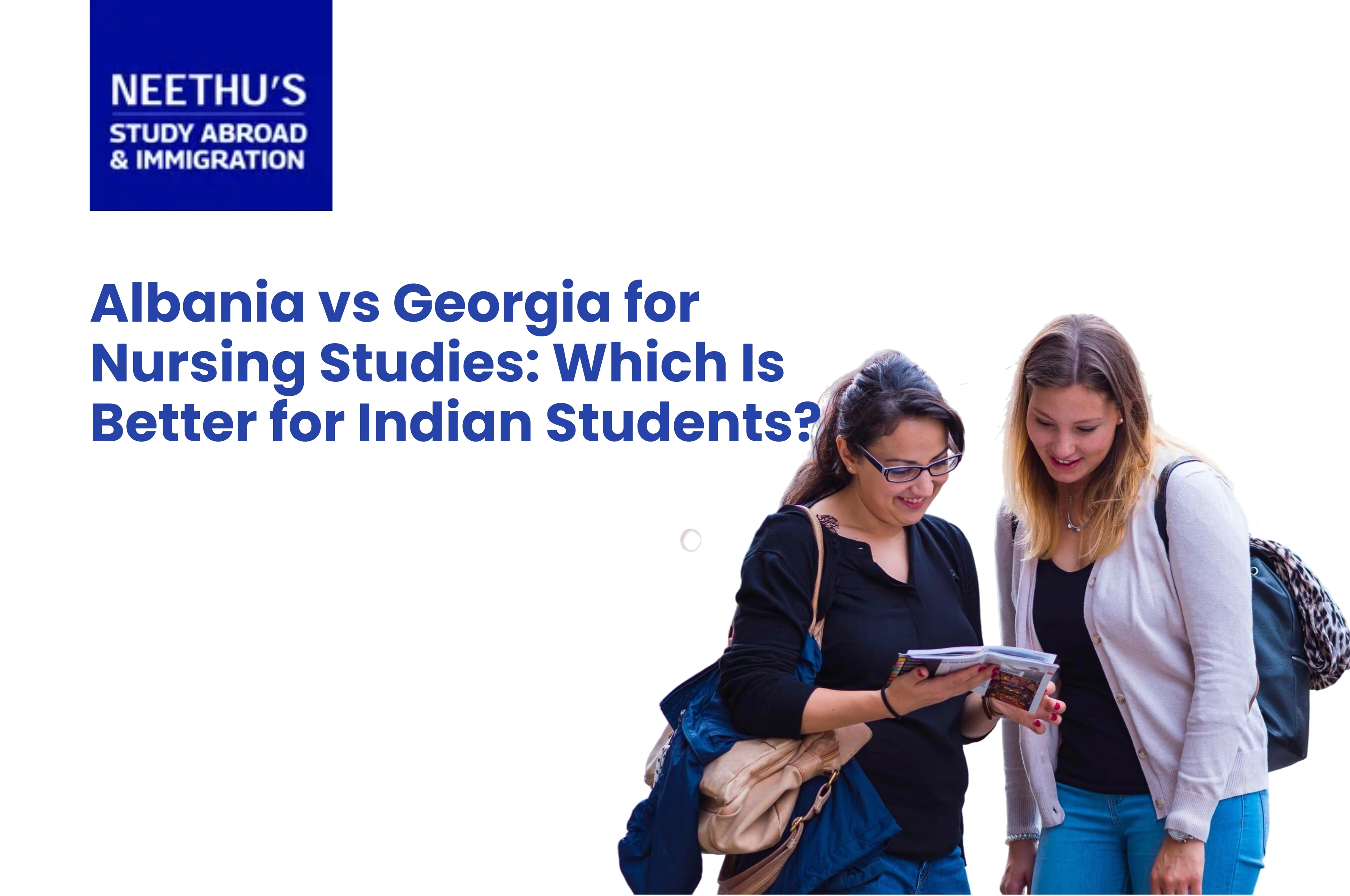
For Indian students who dream of building a successful healthcare career abroad, nursing has become one of the most sought-after fields of study. With increasing demand for qualified nurses worldwide, many students are exploring affordable international destinations that offer quality education and global career opportunities. Among the emerging options in Europe, Albania and Georgia have gained attention for their nursing programs, lower tuition fees, and student-friendly environments.
However, choosing between these two countries can be challenging. Both offer internationally oriented education, but they differ in cost, recognition, lifestyle, and career prospects. This detailed comparison will help Indian students understand the advantages and challenges of each destination and make an informed decision.
Why Indian Students Are Choosing European Nursing Programs
Studying nursing abroad allows students to gain international exposure, access modern healthcare training, and improve their employment prospects. European countries are increasingly attracting Indian students because of their affordable tuition fees compared to Western nations such as the United States, Canada, or the United Kingdom.
Both Albania and Georgia have expanded their higher education sectors and now welcome students from various countries. Nursing programs in these countries focus on theoretical knowledge, practical clinical training, and patient care skills that prepare graduates for global healthcare careers.
Overview of Nursing Education in Albania
Albania is a Southeast European country known for its growing education sector and affordable cost of living. Over the last decade, universities have modernized their healthcare programs to meet international academic standards.
Students who choose to study nursing in Albania benefit from:
-
Affordable tuition fees
-
Smaller class sizes
-
Practical hospital training
-
A safe and welcoming environment
-
Exposure to European healthcare practices
Most nursing programs combine classroom instruction with clinical placements in hospitals and healthcare facilities. Students develop essential skills in patient care, medical procedures, health assessment, and healthcare management.
Albania's healthcare education system continues to evolve, making it an attractive option for budget-conscious international students.
Overview of Nursing Education in Georgia
Georgia has emerged as one of the most popular destinations for Indian students pursuing medical and healthcare-related degrees. The country has invested significantly in higher education, attracting students from Asia, Africa, and the Middle East.
Students who choose to study nursing in Georgia often appreciate:
-
English-medium programs
-
Modern university infrastructure
-
International student communities
-
Affordable education
-
Strong focus on practical learning
Many universities collaborate with hospitals and healthcare institutions, enabling students to gain valuable clinical experience throughout their studies. Georgia's growing reputation in healthcare education has contributed to its popularity among Indian students.
Tuition Fees Comparison
Cost is one of the most important factors when selecting a study destination.
Albania
Nursing programs in Albania are generally affordable. Tuition fees are often lower than those in many Western European countries. Depending on the institution, annual tuition costs can range from moderate to budget-friendly levels.
Georgia
Georgia also offers reasonably priced nursing education. Although some universities may charge slightly higher fees than institutions in Albania, students still find Georgia considerably more affordable than traditional study destinations such as the UK, Australia, or Canada.
Which Is Better?
For students seeking the lowest overall educational expenses, Albania may have a slight advantage. However, the difference is not always significant and depends on the university selected.
Cost of Living Comparison
Living expenses can greatly affect the total cost of studying abroad.
Living in Albania
Albania is considered one of the more affordable countries in Europe. Students typically spend less on:
-
Accommodation
-
Transportation
-
Food
-
Utilities
-
Daily expenses
The overall cost of living remains manageable for international students.
Living in Georgia
Georgia also offers a relatively affordable lifestyle. Cities such as Tbilisi provide numerous student accommodation options, public transportation facilities, and affordable dining choices.
However, in major urban centers, living expenses may be slightly higher than in some Albanian cities.
Which Is Better?
Albania generally provides lower living costs, making it attractive for students working with limited budgets.
Quality of Education
Quality education is essential when pursuing a nursing career.
Albania
Universities in Albania have increasingly aligned their programs with European educational standards. Nursing students receive classroom instruction combined with practical clinical experience.
Although the country's higher education system is developing rapidly, the number of internationally recognized institutions remains relatively limited.
Georgia
Georgia has gained considerable recognition among international students. Universities frequently update their curricula, invest in modern laboratories, and emphasize hands-on clinical training.
Many institutions have built strong reputations among foreign students, particularly in healthcare and medical sciences.
Which Is Better?
Georgia often receives higher international visibility and attracts a larger number of international students, giving it a slight edge in perceived educational quality and global recognition.
Language of Instruction
Language can significantly influence the learning experience.
Albania
While some universities offer English-medium programs, students may encounter situations during clinical training where knowledge of the local language becomes beneficial.
Georgia
Georgia offers numerous English-taught healthcare programs specifically designed for international students. This makes communication in academic settings easier for Indian students.
Which Is Better?
Georgia generally offers greater accessibility through English-medium education and a larger international student support system.
Clinical Training Opportunities
Clinical exposure is a crucial part of nursing education.
Albania
Students participate in hospital-based training and practical healthcare experiences throughout their studies. Clinical placements help bridge the gap between theory and practice.
Georgia
Georgian universities place strong emphasis on practical learning. Students often gain extensive hands-on experience through partnerships with hospitals and healthcare institutions.
Which Is Better?
Both countries provide valuable clinical training opportunities, though Georgia's larger healthcare education sector may offer broader practical exposure.
International Recognition and Career Prospects
A nursing degree should support future employment opportunities.
Albania
Graduates can pursue further licensing and qualification requirements depending on the country where they wish to work. Recognition varies according to local regulations and professional licensing boards.
Georgia
Georgian universities are increasingly recognized among international students and employers. Graduates can also pursue licensing pathways in various countries after meeting specific regulatory requirements.
Which Is Better?
Georgia generally enjoys stronger international visibility, which may provide additional confidence for students planning global careers.
Student Life and Cultural Experience
Studying abroad is about more than academics.
Albania
Albania offers:
-
Beautiful coastlines
-
Historic cities
-
Friendly communities
-
Relaxed lifestyle
-
Rich cultural heritage
Students often enjoy a quieter and more affordable living environment.
Georgia
Georgia is known for:
-
Vibrant student communities
-
Diverse international population
-
Modern urban centers
-
Rich traditions and history
-
Active social life
International students often find it easier to connect with peers from different countries.
Which Is Better?
Students seeking a more dynamic international student atmosphere may prefer Georgia, while those looking for a quieter and more economical environment may find Albania more appealing.
Safety and Student Support
Safety remains a major concern for parents and students.
Both Albania and Georgia are generally considered safe destinations for international students. Universities provide support services related to admissions, accommodation, academic guidance, and student welfare.
Georgia's longer history of hosting large numbers of Indian students has resulted in more established support networks and student communities.
Popular Choices Among Indian Students
In recent years, interest in Georgia nursing colleges for indian students, Albania nursing colleges for indian students has increased significantly. Students are attracted by affordable tuition, European education standards, and opportunities for international healthcare careers.
Georgia currently receives a larger number of Indian applicants, primarily because of its established reputation and wider availability of English-medium programs. However, Albania is steadily gaining popularity among students seeking affordable alternatives.
Conclusion
When comparing Albania vs Georgia for Nursing Studies, there is no single answer that fits every student. The right choice depends on personal priorities, career goals, and financial circumstances.
Choose Albania if you want:
-
Lower living expenses
-
Budget-friendly education
-
A quieter student lifestyle
-
Affordable European study opportunities
Choose Georgia if you want:
-
Greater international recognition
-
More English-medium options
-
Larger international student communities
-
Strong healthcare education infrastructure
Ultimately, both countries offer promising pathways for aspiring nurses. Before making a decision, students should carefully evaluate university accreditation, curriculum structure, clinical training opportunities, and future licensing requirements.
For many Indian students, the decision between Albania and Georgia for Nursing Studies comes down to balancing affordability with international exposure. By researching universities thoroughly and aligning educational choices with long-term career plans, students can build a successful future in the nursing profession regardless of which destination they choose.
FREQUENTLY ASKED QUESTIONS
1. Is Georgia better than Albania for nursing studies?
Georgia generally offers greater international recognition, more English-medium programs, and larger international student communities. However, Albania may be a better option for students seeking lower overall costs.
2. Can Indian students study nursing in English in Albania and Georgia?
Yes, both countries offer English-medium nursing programs, although Georgia has a wider selection of programs designed specifically for international students.
3. Are nursing degrees from Albania and Georgia recognized internationally?
Recognition depends on the university, accreditation status, and licensing requirements of the country where graduates plan to work. Students should always verify recognition before applying.
4. Which country is more affordable for Indian nursing students?
Albania generally offers lower living expenses and competitive tuition fees, making it one of the more affordable European study destinations.
5. Is clinical training included in nursing programs in Albania and Georgia?
Yes, nursing programs in both Albania and Georgia include practical clinical training in hospitals and healthcare settings to help students gain hands-on experience.
help students gain hands-on experience.









































































_03-12-2025_01-17-26%20PM.webp&w=3840&q=75)
_02-12-2025_03-07-49%20PM.webp&w=3840&q=75)

_27-11-2025_04-06-24%20PM.webp&w=3840&q=75)
_25-11-2025_04-38-18%20PM.webp&w=3840&q=75)
_24-11-2025_03-20-26%20PM.webp&w=3840&q=75)
_22-11-2025_12-44-47%20PM.webp&w=3840&q=75)
_21-11-2025_04-17-47%20PM.webp&w=3840&q=75)
_20-11-2025_03-55-26%20PM.webp&w=3840&q=75)
_18-11-2025_04-00-40%20PM.webp&w=3840&q=75)
_15-11-2025_10-48-43%20AM.webp&w=3840&q=75)
%20(1)_14-11-2025_03-52-25%20PM.webp&w=3840&q=75)
_13-11-2025_03-02-38%20PM.webp&w=3840&q=75)
_08-11-2025_04-15-36%20PM.webp&w=3840&q=75)
_05-11-2025_04-01-50%20PM.webp&w=3840&q=75)
_05-11-2025_03-46-26%20PM.webp&w=3840&q=75)
_03-11-2025_03-31-09%20PM.webp&w=3840&q=75)
_04-11-2025_.webp&w=3840&q=75)
_04-11-2025_.webp&w=3840&q=75)
_28-10-2025_04-09-08%20PM.webp&w=3840&q=75)
_24-10-2025_05-10-31%20PM.webp&w=3840&q=75)
_24-10-2025_04-55-51%20PM.webp&w=3840&q=75)
_22-10-2025_04-40-20%20PM.webp&w=3840&q=75)
%20(1)_21-10-2025_03-05-46%20PM.webp&w=3840&q=75)
_21-10-2025_02-43-15%20PM.webp&w=3840&q=75)
_17-10-2025_05-08-52%20PM.webp&w=3840&q=75)
_17-10-2025_04-54-54%20PM.webp&w=3840&q=75)
_15-10-2025_03-46-47%20PM.webp&w=3840&q=75)
_14-10-2025_03-42-40%20PM.webp&w=3840&q=75)
_14-10-2025_03-29-48%20PM.webp&w=3840&q=75)
_13-10-2025_03-48-51%20PM.webp&w=3840&q=75)
_11-10-2025_04-28-42%20PM.webp&w=3840&q=75)
%20(1)_09-10-2025_04-12-08%20PM.webp&w=3840&q=75)

_07-10-2025_02-55-25%20PM.webp&w=3840&q=75)
_07-10-2025_02-39-51%20PM.webp&w=3840&q=75)
_06-10-2025_03-42-37%20PM.webp&w=3840&q=75)
_03-10-2025_04-42-59%20PM.webp&w=3840&q=75)
_01-10-2025_11-12-12%20AM.webp&w=3840&q=75)
%20(1)_29-09-2025_02-54-12%20PM.webp&w=3840&q=75)

_26-09-2025_12-14-18%20PM.webp&w=3840&q=75)
_24-09-2025_04-44-26%20PM.webp&w=3840&q=75)
_23-09-2025_04-14-36%20PM.webp&w=3840&q=75)
_22-09-2025_04-08-09%20PM.webp&w=3840&q=75)
_20-09-2025_03-26-03%20PM.webp&w=3840&q=75)
_17-09-2025_04-06-42%20PM.webp&w=3840&q=75)
_15-09-2025_04-43-43%20PM.webp&w=3840&q=75)
_13-09-2025_12-17-49%20PM.webp&w=3840&q=75)
_12-09-2025_04-31-36%20PM.webp&w=3840&q=75)
_12-09-2025_04-17-03%20PM.webp&w=3840&q=75)
_10-09-2025_03-59-59%20PM.webp&w=3840&q=75)
_09-09-2025_04-11-16%20PM.webp&w=3840&q=75)
_09-09-2025_03-53-52%20PM.webp&w=3840&q=75)













































_12-06-2025_03-40-35%20PM.webp&w=3840&q=75)