Student Life in Italy: Culture, Costs & Campus Guide
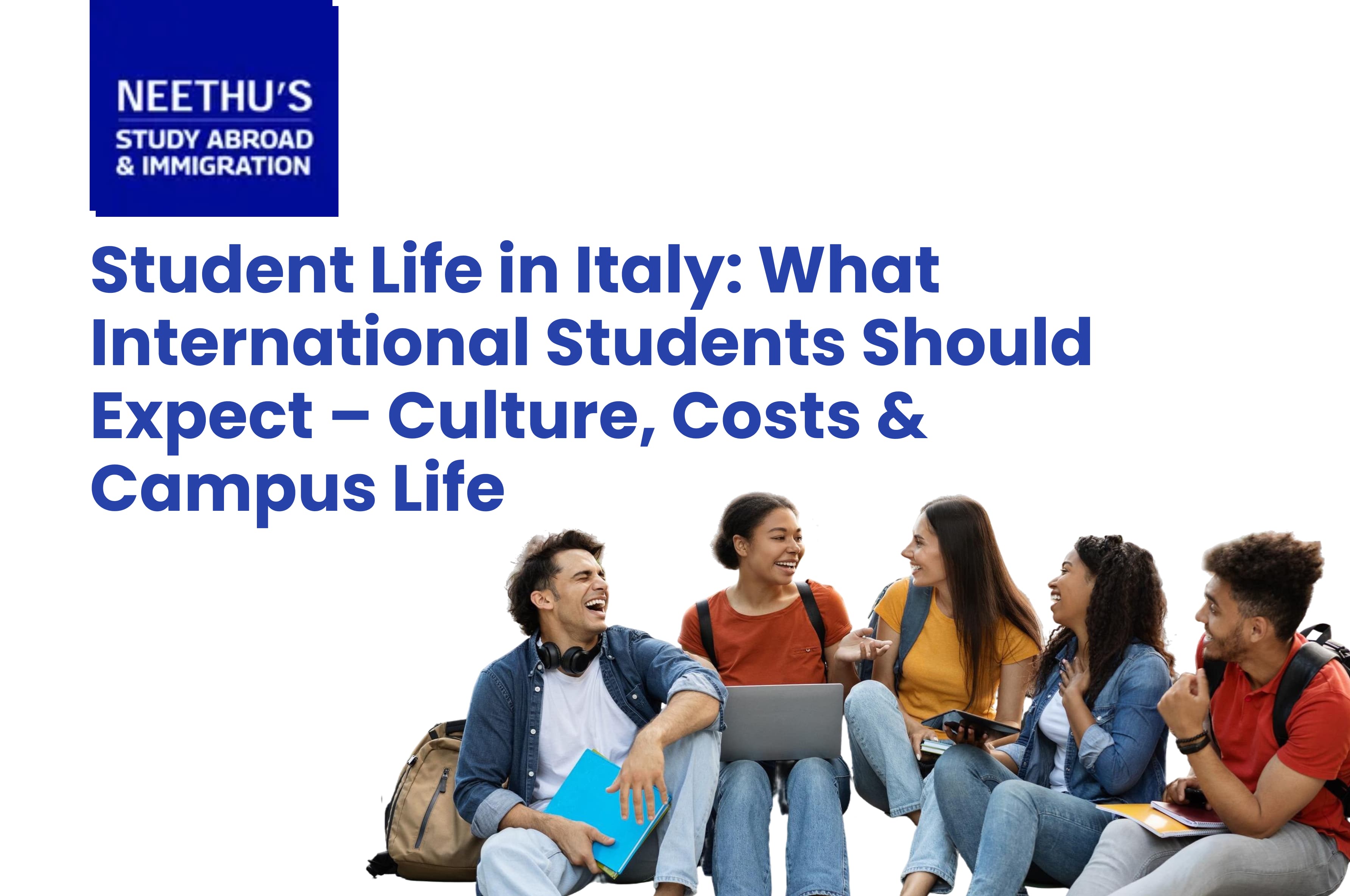
Choosing Italy as your study destination means embracing an education that extends far beyond the classroom. Along with earning a globally recognised qualification, students get the chance to experience centuries of history, diverse traditions, outstanding cuisine, and a lively student community. Every year, thousands of learners from across the globe move to Italy to pursue higher education while enjoying a unique European lifestyle.
For international students in Italy, settling into a new country involves adapting to a different culture, understanding everyday expenses, finding comfortable housing, and becoming familiar with university life. Being prepared for these aspects can make the transition smoother and help students focus on both their studies and personal growth.
Why Italy Attracts Students from Around the World
Italy has long been recognised as one of Europe's leading education destinations. The country is home to prestigious universities offering programmes in medicine, engineering, architecture, fashion, business, arts, and many other disciplines. Degrees earned from Italian universities are respected internationally, opening doors to career opportunities worldwide.
Apart from academics, students choose Italy because it offers:
-
A strong reputation for higher education
-
A multicultural learning environment
-
Modern teaching methods and research facilities
-
Affordable tuition fees at many public universities
-
Easy access to other European countries
-
A rich cultural and artistic heritage
-
An exciting student lifestyle
The combination of education and cultural experiences makes Italy a rewarding destination for students seeking both academic and personal development.
Discovering Italian Culture
Living in Italy provides an opportunity to experience a culture that values tradition, family, creativity, and community. Everyday life is often centred around spending quality time with friends and family, enjoying local food, and participating in community events.
A Warm and Welcoming Environment
International students often find that local communities are friendly and approachable. While many universities offer programmes in English, learning basic Italian phrases can make everyday interactions more comfortable and help students integrate into local life.
Simple conversations with neighbours, shopkeepers, or classmates become easier when students make an effort to understand the language and customs.
Food as Part of Everyday Life
Food is an important part of Italian culture. Every region has its own traditional recipes and culinary specialties, allowing students to experience a variety of authentic dishes throughout their stay.
Popular choices include:
-
Handmade pasta
-
Wood-fired pizza
-
Risotto
-
Fresh seafood
-
Gelato
-
Traditional desserts
Cooking at home is also common among students and can help reduce monthly living expenses.
Cultural Events Throughout the Year
Italian cities regularly host music festivals, local fairs, art exhibitions, film events, and seasonal celebrations. Taking part in these activities allows students to experience Italian traditions while meeting people from different backgrounds.
Academic Experience at Italian Universities
Universities in Italy encourage students to become active participants in their education. Instead of relying solely on lectures, many courses include seminars, presentations, practical sessions, research assignments, and independent study.
Students are generally expected to:
-
Attend lectures consistently
-
Complete coursework independently
-
Participate in classroom discussions
-
Conduct research projects
-
Prepare thoroughly for examinations
This educational approach helps students strengthen critical thinking, analytical abilities, and problem-solving skills.
Campus Life
University life in Italy offers far more than academic learning. Most campuses organise activities that encourage students to socialise, develop new interests, and build valuable professional connections.
Students can participate in:
-
Student organisations
-
Sports clubs
-
Cultural societies
-
Volunteer initiatives
-
Career development programmes
-
International student associations
Joining these activities helps students adjust more quickly while creating lasting friendships.
Accommodation Options for Students
Finding suitable accommodation is one of the first tasks after receiving admission. Fortunately, several types of student accommodation in Italy are available depending on budget and lifestyle preferences.
University Residences
Many universities provide residence halls specifically designed for students.
Advantages include:
-
Affordable rental costs
-
Walking distance from campus
-
Opportunity to interact with fellow students
-
Access to essential facilities
As spaces are limited, applying early increases the chances of securing a room.
Shared Housing
Sharing an apartment is one of the most popular choices among international students.
Benefits include:
-
Lower monthly rent
-
Shared utility expenses
-
Greater independence
-
Opportunity to build friendships
Living with roommates can also make adapting to a new country easier.
Private Rentals
Students who prefer greater privacy may choose independent apartments.
Although private accommodation generally costs more, it provides flexibility and personal space. Before signing a rental agreement, students should carefully review the contract, security deposit requirements, and utility charges.
Living Expenses
Monthly expenses vary depending on the city, accommodation type, and individual lifestyle. Major cities such as Rome and Milan usually have higher living costs than smaller university towns.
Housing Costs
Average monthly accommodation expenses include:
-
University residence: €250–€450
-
Shared apartment: €350–€650
-
Private apartment: €600–€1,000
Food Expenses
Students typically spend:
-
€180–€300 per month
Preparing meals at home can significantly reduce food expenses compared to dining out regularly.
Transportation
Italy has a well-developed public transportation system that includes buses, trams, metro services, and trains.
Monthly student travel generally costs:
-
€25–€45
Many cities also offer bicycle-friendly routes, allowing students to save even more.
Internet and Mobile Plans
Communication expenses usually include:
-
Internet connection: €20–€35
-
Mobile phone plan: €10–€20
Students can choose from several affordable packages designed for everyday use.
Personal Spending
Entertainment, clothing, leisure activities, and other personal expenses generally range between:
-
€100–€250 per month
Individual spending habits determine the overall monthly budget.
Managing Your Finances
Maintaining a budget is essential for enjoying student life without financial pressure.
Helpful money-saving tips include:
-
Prepare a monthly spending plan.
-
Share accommodation with other students.
-
Cook meals instead of eating out frequently.
-
Take advantage of student discounts.
-
Purchase second-hand textbooks when possible.
-
Use public transportation for daily travel.
Developing good financial habits early helps students manage their expenses effectively.
Working While Studying
Many students choose part-time employment to gain professional experience and supplement their monthly budget.
Popular student jobs include:
-
Restaurant assistant
-
Café employee
-
Retail sales assistant
-
Tutor
-
Office support staff
-
Customer service representative
Students should always ensure that any employment complies with their visa conditions and university regulations.
Healthcare Support
International students are encouraged to obtain valid health insurance before beginning their studies.
Healthcare services generally cover:
-
Medical consultations
-
Emergency treatment
-
Specialist appointments
-
Hospital care
Most universities provide guidance on accessing healthcare services after arrival.
Building Friendships
Making new friends is an important part of studying abroad. Universities provide numerous opportunities for students to meet classmates from different countries.
Students can expand their social circle by:
-
Participating in orientation programmes
-
Joining clubs and societies
-
Volunteering
-
Attending university events
-
Playing sports
-
Participating in cultural activities
Building strong friendships makes the study experience more enjoyable and helps reduce homesickness.
Staying Safe
Italy is generally considered a safe destination for students, but taking sensible precautions is always recommended.
Students should:
-
Keep personal belongings secure.
-
Stay alert in crowded public places.
-
Use licensed transportation services.
-
Keep emergency contact information accessible.
-
Follow university safety advice.
These simple precautions contribute to a safer and more comfortable stay.
Common Adjustment Challenges
Moving to another country comes with a period of adjustment.
Some challenges students may experience include:
-
Learning a new language
-
Adapting to different teaching styles
-
Managing personal finances
-
Feeling homesick
-
Finding suitable housing
-
Adjusting to cultural differences
Fortunately, most universities have international student support offices that help newcomers settle into campus life.
Making the Most of Your Time in Italy
Studying abroad is about creating experiences that extend beyond academic achievement. Exploring historic cities, travelling across the country, participating in university activities, and interacting with people from different cultures all contribute to personal growth.
Many international students in Italy find that living in such a culturally rich country broadens their perspective while preparing them for global careers. Choosing comfortable student accommodation in Italy also plays an important role in creating a balanced and enjoyable university experience.
Conclusion
Italy offers an outstanding environment where education, culture, and personal development come together. Students benefit from respected universities, welcoming communities, diverse cultural experiences, and an active campus lifestyle.
By understanding local customs, planning living expenses carefully, selecting suitable accommodation, and participating in university activities, students can make the most of their educational journey. With thoughtful preparation and a willingness to embrace new experiences, studying in Italy can become one of the most rewarding chapters of a student's life.
Frequently Asked Questions
1. Why do so many international students choose Italy for higher education?
Many students choose Italy because of its internationally recognised universities, affordable tuition fees, rich cultural heritage, diverse academic programmes, and opportunities to travel across Europe.
2. Is it easy for international students to adapt to life in Italy?
Yes. Although adjusting to a new country takes time, most universities offer orientation programmes, student support services, and international student communities to help newcomers settle in comfortably.
3. What types of student accommodation are available in Italy?
Students can choose from university residences, shared apartments, private rental apartments, and student housing managed by private providers. The best option depends on budget, location, and personal preferences.
4. How much does student accommodation in Italy typically cost?
The cost of student accommodation varies by city and housing type. University residences are generally the most affordable, while private apartments usually have higher monthly rental costs.
5. What are the average monthly living expenses for students in Italy?
Monthly expenses depend on the city and lifestyle but generally include accommodation, food, transportation, internet, utilities, and personal expenses. Students in larger cities like Rome and Milan typically spend more than those in smaller towns.
6. Can international students work while studying in Italy?
Yes. International students may be permitted to work part-time during their studies, subject to visa conditions and Italian employment regulations. Part-time work can help cover some living expenses and provide valuable work experience.
7. Is learning Italian necessary for international students?
While many universities offer English-taught programmes, learning basic Italian is highly recommended. It helps with daily communication, building relationships, and improving employment opportunities.
8. What facilities are available on Italian university campuses?
Most universities offer libraries, research centres, laboratories, sports facilities, student clubs, cafeterias, career guidance services, and international student support offices to enhance campus life.
9. How can international students make friends in Italy?
Students can meet new people by joining university clubs, participating in orientation events, attending cultural programmes, volunteering, joining sports teams, and taking part in student association activities.
10. What should international students pack before moving to Italy?
Students should carry essential documents, comfortable clothing suitable for different seasons, electronic devices, prescribed medications, academic records, travel insurance details, and any personal items they may need during the initial weeks of their stay.










































































_03-12-2025_01-17-26%20PM.webp&w=3840&q=75)
_02-12-2025_03-07-49%20PM.webp&w=3840&q=75)

_27-11-2025_04-06-24%20PM.webp&w=3840&q=75)
_25-11-2025_04-38-18%20PM.webp&w=3840&q=75)
_24-11-2025_03-20-26%20PM.webp&w=3840&q=75)
_22-11-2025_12-44-47%20PM.webp&w=3840&q=75)
_21-11-2025_04-17-47%20PM.webp&w=3840&q=75)
_20-11-2025_03-55-26%20PM.webp&w=3840&q=75)
_18-11-2025_04-00-40%20PM.webp&w=3840&q=75)
_15-11-2025_10-48-43%20AM.webp&w=3840&q=75)
%20(1)_14-11-2025_03-52-25%20PM.webp&w=3840&q=75)
_13-11-2025_03-02-38%20PM.webp&w=3840&q=75)
_08-11-2025_04-15-36%20PM.webp&w=3840&q=75)
_05-11-2025_04-01-50%20PM.webp&w=3840&q=75)
_05-11-2025_03-46-26%20PM.webp&w=3840&q=75)
_03-11-2025_03-31-09%20PM.webp&w=3840&q=75)
_04-11-2025_.webp&w=3840&q=75)
_04-11-2025_.webp&w=3840&q=75)
_28-10-2025_04-09-08%20PM.webp&w=3840&q=75)
_24-10-2025_05-10-31%20PM.webp&w=3840&q=75)
_24-10-2025_04-55-51%20PM.webp&w=3840&q=75)
_22-10-2025_04-40-20%20PM.webp&w=3840&q=75)
%20(1)_21-10-2025_03-05-46%20PM.webp&w=3840&q=75)
_21-10-2025_02-43-15%20PM.webp&w=3840&q=75)
_17-10-2025_05-08-52%20PM.webp&w=3840&q=75)
_17-10-2025_04-54-54%20PM.webp&w=3840&q=75)
_15-10-2025_03-46-47%20PM.webp&w=3840&q=75)
_14-10-2025_03-42-40%20PM.webp&w=3840&q=75)
_14-10-2025_03-29-48%20PM.webp&w=3840&q=75)
_13-10-2025_03-48-51%20PM.webp&w=3840&q=75)
_11-10-2025_04-28-42%20PM.webp&w=3840&q=75)
%20(1)_09-10-2025_04-12-08%20PM.webp&w=3840&q=75)

_07-10-2025_02-55-25%20PM.webp&w=3840&q=75)
_07-10-2025_02-39-51%20PM.webp&w=3840&q=75)
_06-10-2025_03-42-37%20PM.webp&w=3840&q=75)
_03-10-2025_04-42-59%20PM.webp&w=3840&q=75)
_01-10-2025_11-12-12%20AM.webp&w=3840&q=75)
%20(1)_29-09-2025_02-54-12%20PM.webp&w=3840&q=75)

_26-09-2025_12-14-18%20PM.webp&w=3840&q=75)
_24-09-2025_04-44-26%20PM.webp&w=3840&q=75)
_23-09-2025_04-14-36%20PM.webp&w=3840&q=75)
_22-09-2025_04-08-09%20PM.webp&w=3840&q=75)
_20-09-2025_03-26-03%20PM.webp&w=3840&q=75)
_17-09-2025_04-06-42%20PM.webp&w=3840&q=75)
_15-09-2025_04-43-43%20PM.webp&w=3840&q=75)
_13-09-2025_12-17-49%20PM.webp&w=3840&q=75)
_12-09-2025_04-31-36%20PM.webp&w=3840&q=75)
_12-09-2025_04-17-03%20PM.webp&w=3840&q=75)
_10-09-2025_03-59-59%20PM.webp&w=3840&q=75)
_09-09-2025_04-11-16%20PM.webp&w=3840&q=75)
_09-09-2025_03-53-52%20PM.webp&w=3840&q=75)




















































_12-06-2025_03-40-35%20PM.webp&w=3840&q=75)