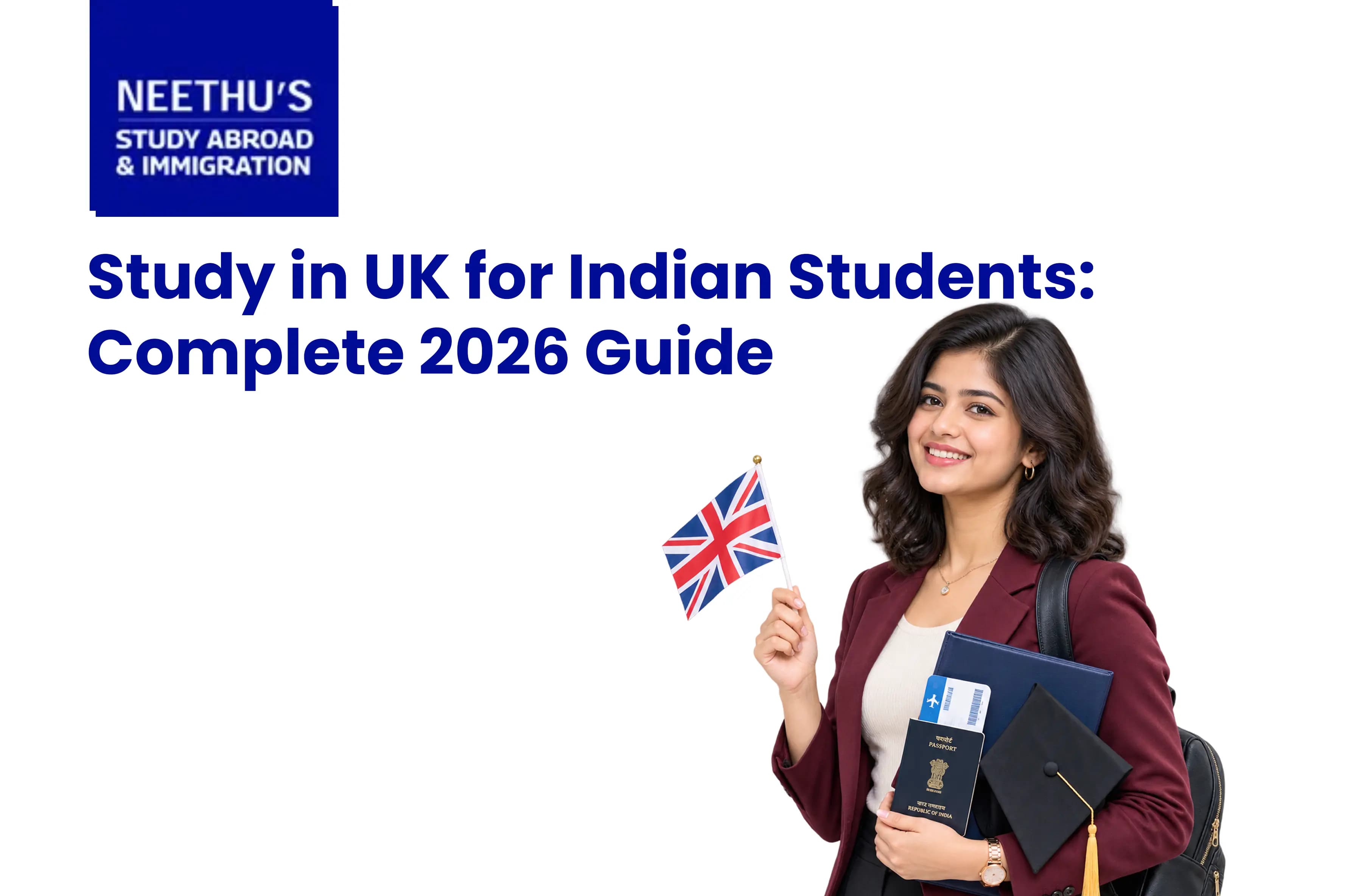
UK Graduate Visa Changes 2027: What Indian Students Must Know
Planning to study abroad involves more than choosing a university and arranging tuition fees. Indian students must also understand visa conditions, post-study work opportunities and the immigration policies that may affect their future plans. The UK remains an attractive destination because of its internationally recognised qualifications, diverse student community and opportunities to gain professional experience after graduation. However, changes to the Graduate visa route mean that students planning for 2027 need to prepare carefully.
The most important change is the reduction in the post-study stay period for most eligible graduates. From January 2027, students completing bachelor's and master's degrees will generally have less time to find employment, develop their careers and explore long-term visa options. Understanding the new timeline can help students make informed decisions before committing to a course.
1. What Is Changing Under the UK Graduate Visa 2027 Policy?
The Graduate visa allows eligible international students to remain in the UK after successfully completing an eligible course. It gives graduates an opportunity to look for work, gain professional experience or begin a career without needing an employer to sponsor them immediately.
Under the revised rules, the length of this permission will depend on the qualification and the date of application.
-
Applications submitted on or before 31 December 2026: Eligible bachelor's and master's graduates can receive a two-year Graduate visa.
-
Applications submitted on or after 1 January 2027: Eligible bachelor's and master's graduates will generally receive an 18-month Graduate visa.
-
PhD and other eligible doctoral graduates: The permitted stay remains three years.
These changes apply to the date the Graduate visa application is submitted, rather than simply the year in which a student begins studying. Students should therefore pay attention to their course completion date, university reporting process and existing Student visa expiry date.For official details, applicants should review the UK government's Graduate visa guidance.
2. Why Does the Shorter Post-Study Period Matter?
An 18-month period can still provide valuable professional experience, but it gives graduates less time to establish themselves in the UK.
Previously, bachelor's and master's graduates had up to two years to explore different roles, attend interviews, develop workplace skills, and search for suitable employers. From 2027, eligible graduates applying under the revised rules will need to organise these activities within a shorter period.
Consider an Indian student completing a master's degree in business analytics. The student may need to prepare a UK-style CV, build professional connections, attend interviews and secure a role that offers suitable future immigration options. If the job search takes several months, the remaining time available for career development becomes more limited.
This does not mean graduates cannot find good jobs. Their prospects will depend on factors such as qualifications, work experience, industry demand, communication skills and employer requirements. However, beginning career preparation before graduation becomes especially important.
3. Understanding the UK Student Visa New Rules
The Graduate visa reduction is not the only immigration consideration for international students. Applicants must also meet the requirements of the Student visa route when applying to enter the UK for education.
Students should pay attention to the following areas.
Financial evidence
Applicants generally need to demonstrate that they can pay their course fees and support themselves while studying. The required maintenance amount depends on whether the course is in London or elsewhere in the UK. Applicants may also need to provide evidence for eligible dependants.
Under the published requirements currently available, students generally need to show £1,529 per month for courses in London or £1,171 per month for courses outside London, for up to nine months. Financial requirements can change, so students applying for a 2027 intake should verify the latest figures before submitting their applications.
Confirmation of Acceptance for Studies
A Confirmation of Acceptance for Studies, commonly called a CAS, is an important document issued by the sponsoring education provider. Applicants need it to submit a Student visa application.
Students should check that their personal information, course details and other relevant information are accurate. They should also confirm that their university or college is authorised to sponsor international students.
English language and supporting documents
Applicants must meet the applicable English language requirement and provide the documents required for their individual circumstances. Depending on the course and applicant, additional evidence may be necessary.
A missing document or an inconsistency in the application can cause delays or affect the outcome. Students should follow the latest official checklist instead of relying entirely on older application examples.
4. Can Students Still Work After Graduation?
Yes. The Graduate route continues to provide eligible graduates with permission to work in most jobs, look for employment, and become self-employed, subject to the visa's conditions. An employer does not need to sponsor a graduate simply for them to use the Graduate route.
However, the Graduate visa is not a permanent residence route, and it cannot be extended. Graduates who want to remain in the UK beyond their permission may need to qualify for another immigration category.
One possible option is the Skilled Worker visa. This generally requires an eligible job with an approved sponsor, along with the applicable salary and other requirements. Not every job or employer qualifies.
Students should therefore research career opportunities before selecting a course. They can explore employers in their intended industry, check whether relevant positions may qualify for sponsorship, and develop skills that match the roles they want to pursue.
5. What Should Indian Students Do Before Applying?
Students planning to study in the UK in 2027 can take several practical steps to prepare for the revised rules.
Choose a course with a clear career direction
A course should match the student's academic background, interests and professional goals. Instead of choosing a programme solely because it is popular, applicants should examine its modules, practical training, industry connections and graduate career outcomes.
Start job preparation early
Students should not wait until graduation to begin their job search. They can use university career services, attend recruitment events, build a professional online profile and practise interviews while studying.
Internships, relevant projects and part-time work where permitted may help students demonstrate their skills. Any work undertaken during the Student visa period must comply with the conditions of that visa.
Build a realistic budget
Tuition fees and living expenses are only part of the financial plan. Students should also account for visa application charges, the Immigration Health Surcharge where applicable, travel costs, accommodation deposits and emergency expenses.
A realistic budget can reduce the pressure to accept unsuitable employment simply because money is running short.
Check the visa timeline
Students should understand when their course is expected to finish and when their Student visa will expire. They must also allow time for the university to report successful course completion to the Home Office.
A Graduate visa application must be submitted from within the UK before the existing Student visa expires. Eligible students do not need to wait for their graduation ceremony or physical certificate if their university has already confirmed successful completion to the Home Office.
6. Can Students Bring Family Members?
The rules for dependants need careful attention. Most international students starting ordinary taught bachelor's or master's programmes cannot bring a partner or children as Student visa dependants under the current restrictions.
There are exceptions, including certain government-sponsored students and eligible students undertaking qualifying postgraduate research programmes. Students should verify whether their particular course and sponsorship arrangement meet the requirements.
For those who are eligible to have dependants, the rules governing their later stay should also be checked. A partner or child who was already permitted to stay as a dependant of the student may be able to apply as a dependant under the Graduate route, subject to the relevant conditions.
Students should not assume that every family member can join them simply because they hold a Student visa or later qualify for a Graduate visa.
7. How Can Students Make the Most of Their Time in the UK?
The shorter post-study period makes planning particularly important for students who intend to build a career after completing their qualifications.
For example, an Indian graduate hoping to work in information technology can begin researching employers, improving technical skills and preparing a portfolio during the final year of study. A student pursuing finance might focus on relevant certifications, networking opportunities and graduate recruitment programmes.
These activities cannot guarantee a job or visa sponsorship. Nevertheless, they can help students approach the employment market with a clearer plan.
Students who need help comparing universities, understanding admission requirements or organising application documents may consider seeking professional guidance. When researching the Best study abroad consultants in kerala, applicants should check the provider's experience, transparency about fees, understanding of current visa rules and willingness to explain both opportunities and limitations. Students should independently verify important immigration information through official UK government sources.
8. Is the UK Still a Good Option for Indian Students?
The UK may remain suitable for students who value its academic programmes, international exposure and professional development opportunities. The shorter Graduate visa does not remove the opportunity to work after graduation, but it changes how much time eligible graduates have to explore their options.
Before deciding to study in uk, applicants should compare total costs, course quality, employment prospects and the immigration requirements that apply to their circumstances. They should also consider alternative destinations if their priorities include a longer post-study work period or a different route to long-term residence.
No destination guarantees employment or permanent settlement. A decision based on reliable information, personal finances and realistic career goals is more useful than relying on general promises about overseas opportunities.
Conclusion
The UK graduate visa 2027 changes are important for Indian students planning bachelor's or master's studies, particularly those who hope to gain work experience after graduation. From 1 January 2027, eligible graduates applying under the revised rules will generally receive 18 months rather than two years, while eligible doctoral graduates will continue to receive three years.
Students should plan their finances, research courses carefully, begin career preparation early and understand the Student visa conditions before travelling. Keeping track of official announcements is equally important because immigration requirements can change.
For anyone preparing to study in uk, the best approach is to treat the post-study period as part of the overall education and career plan. Careful preparation can help students use their time effectively and make better-informed decisions about their future.
FAQs
1. What are the UK Graduate visa changes in 2027?
From 1 January 2027, eligible bachelor's and master's graduates who apply for a Graduate visa will generally receive 18 months of permission instead of two years. Eligible doctoral graduates will continue to receive three years.
2. When will the new UK Graduate visa rules take effect?
The revised duration applies to Graduate visa applications submitted on or after 1 January 2027. Eligible bachelor's and master's graduates applying by 31 December 2026 can generally receive a two-year visa.
3. Can Indian students still work in the UK after graduation?
Yes. Eligible international graduates can work in most jobs, look for employment or become self-employed under the Graduate route, subject to its conditions. They do not need employer sponsorship simply to use this visa.
4. Can the UK Graduate visa be extended?
No. The Graduate visa cannot be extended. Graduates who want to stay longer must qualify for another immigration route, such as the Skilled Worker visa, and meet its applicable requirements.
5. Do Indian students need a job offer to apply for a Graduate visa?
No. An eligible student does not need a job offer to apply for a Graduate visa. However, securing suitable employment early can be helpful for graduates who plan to switch to a work visa later.
6. What are the main UK Student visa new rules students should check?
Students should check the latest financial requirements, Confirmation of Acceptance for Studies (CAS), English language requirements, supporting documents and dependant eligibility. Requirements may vary depending on the applicant and course.
7. Can students apply for a Graduate visa before receiving their degree certificate?
Students may apply after successfully completing an eligible course, provided their education provider has informed the Home Office of their successful completion. They must apply from within the UK before their Student visa expires and meet all other requirements.
8. Can Indian students bring their family members to the UK?
Dependant eligibility depends on the student's course and circumstances. Most students starting ordinary taught bachelor's or master's courses cannot bring new dependants under the Student route, although exceptions apply to certain categories. Students should check the current official rules before applying.
9. How can Indian students prepare for the shorter post-study work period?
Students can prepare by researching employers before graduation, building relevant skills, using university career services, attending recruitment events and learning about jobs that may qualify for sponsorship. Starting early can help them use the available time more effectively.
10. Is the UK still a good destination for Indian students in 2027?
The UK may remain a suitable choice for students seeking recognised qualifications and international career experience. Before deciding to study in the UK, applicants should compare tuition fees, living costs, course quality, employment prospects and post-study visa options. They should also verify the latest immigration guidance on the official UK government website.