Study MBBS in Bulgaria: Admission Requirements and Eligibility for Indian Students
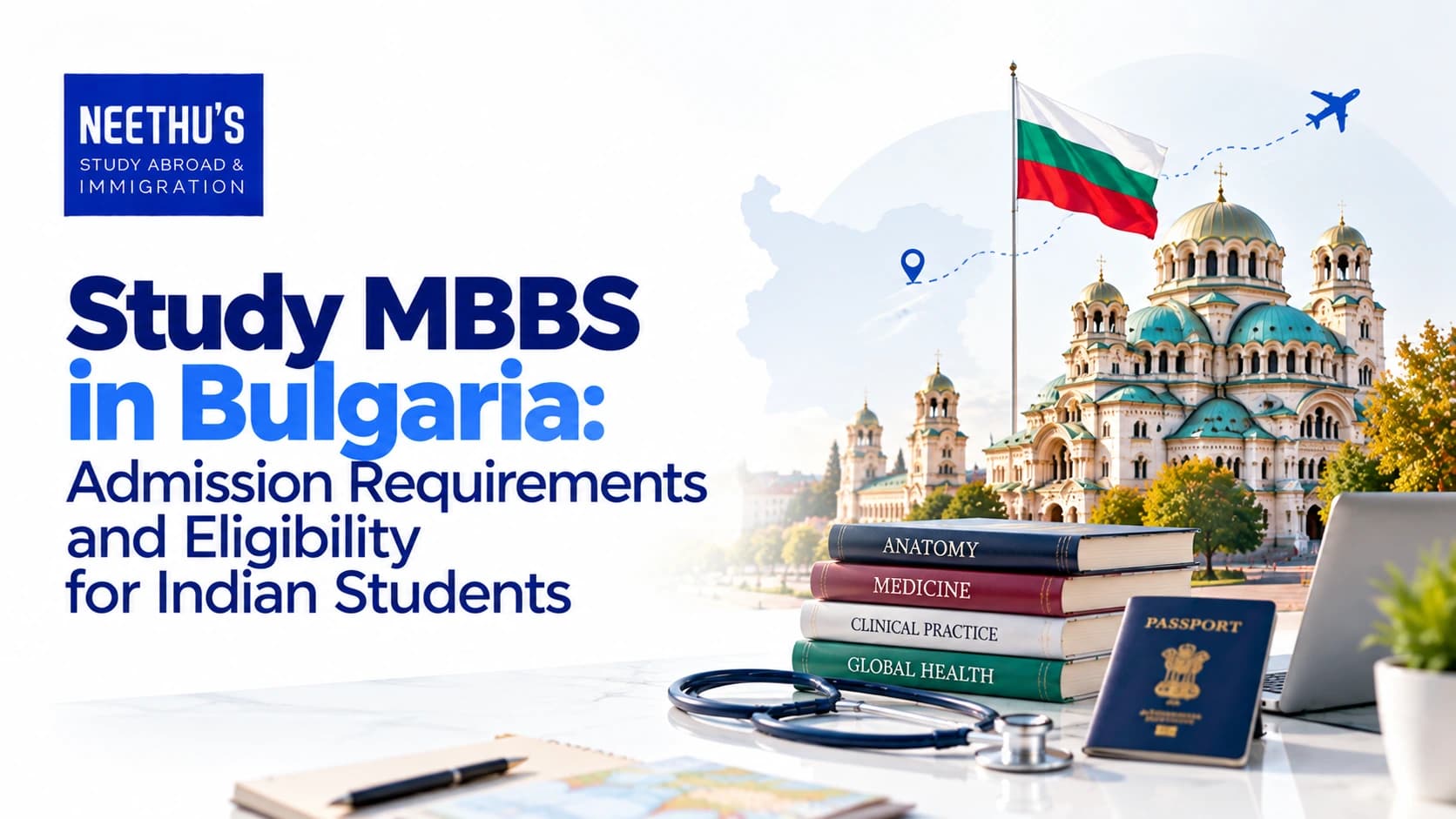
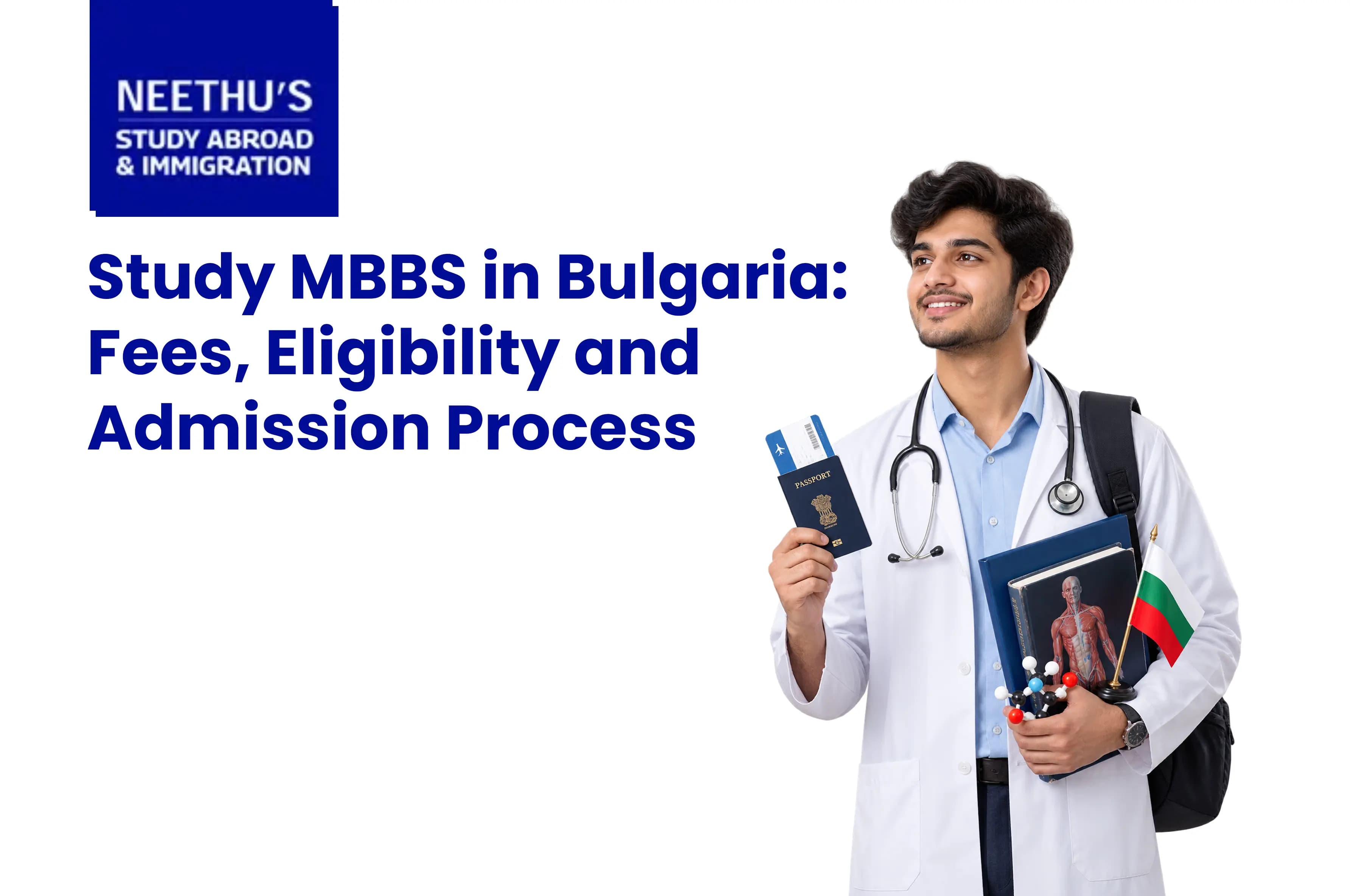
A medical degree earned overseas can introduce students to international teaching practices, new healthcare environments, and a broader academic experience. For Indian students considering options outside their home country, Bulgaria is one destination to investigate. Its universities offer medical programmes, including courses delivered in English for international applicants.
Before deciding to study medicine abroad, students need to understand the academic standards, admission procedures, financial commitments, and professional requirements associated with their chosen qualification. These details are especially important for students who plan to return to India and practise medicine after graduating.
This guide outlines what Indian applicants should investigate when considering medical education in Bulgaria.
Exploring Medical Education in Bulgaria
Bulgaria has several higher education institutions that teach medicine and other health-related subjects. Their programmes may include theoretical classes, laboratory sessions, practical instruction, and supervised clinical learning.
International applicants can find English-medium medical courses at certain universities. This can make the academic transition easier for students who have previously studied in English. However, the language used during clinical training and interactions with local patients may require additional preparation.
Studying in Bulgaria also gives students an opportunity to experience a European country, meet people from different backgrounds, and develop independence. These benefits should be considered alongside academic quality and career suitability.
Before applying, research the university's official recognition, programme structure, clinical facilities, and qualification requirements. A university's promotional claims should never replace confirmation from the relevant education and professional authorities.
Academic Requirements for Indian Applicants
Class 12 Education
Applicants generally need to complete higher secondary education with Physics, Chemistry, and Biology. The minimum marks and specific academic conditions depend on the university and its admission policy.
Students should compare their Class 12 results with the published requirements for the intended intake. Certain institutions may also request evidence that the applicant's school qualification meets the applicable Bulgarian education standards.
Prepare your academic certificates and mark sheets well in advance. If translations, certified copies, or legalisation are required, follow the university's instructions to ensure the documents are accepted.
Age and Other Conditions
Applicants must meet the relevant age and general admission criteria. These conditions should be confirmed directly with the university because requirements may differ according to the programme and academic year.
Checking eligibility before submitting an application can prevent unnecessary expenses. If any requirement is unclear, contact the admissions department and request an explanation in writing.
NEET Qualification
The National Eligibility cum Entrance Test, commonly called NEET, is an important consideration for Indian students planning to study medicine overseas.
Under the applicable Indian regulations, Indian and Overseas Citizens of India candidates seeking admission to undergraduate medical courses abroad generally need to qualify NEET. Applicants should check the current rules and confirm how they apply to their circumstances.
The National Medical Commission provides official information about medical education and the requirements relevant to foreign medical graduates.
Students who intend to practise in India after completing their degree must investigate the applicable regulations before enrolling. Admission to a foreign university does not automatically guarantee eligibility for medical registration in India.
Entrance Examinations
Some Bulgarian universities assess international applicants through examinations in Biology, Chemistry, or other specified subjects. The examination format, syllabus, selection method, and qualifying scores vary between institutions.
For example, the Medical University of Sofia publishes information about its admissions process for international applicants.
Students should download the latest examination guidelines from their chosen institution and prepare accordingly. Meeting one university's entrance requirements does not necessarily satisfy another university's conditions.
English-Language Skills
Applicants to English-taught programmes must meet the institution's language requirements. Some universities may require a recognised English test, while others may accept alternative evidence under their published policies.
Students should not assume that every university follows the same language assessment process. Confirm the accepted documents and minimum proficiency level before applying.
Learning Bulgarian can also be helpful outside the classroom. Local language skills may support everyday communication and interactions during clinical placements, depending on the programme and training environment.
Understanding Bulgaria MBBS Eligibility
Eligibility depends on more than having completed school education. Bulgaria MBBS eligibility may involve academic scores, relevant science subjects, entrance examinations, language proficiency, and additional documentation.
Before applying, students should check whether they need to provide:
-
Higher secondary certificates and mark sheets.
-
Proof of the required subjects and academic results.
-
A valid passport.
-
NEET qualification documents, where applicable.
-
Entrance examination results, if required.
-
English-language proficiency evidence, where requested.
-
Medical documents specified by the university.
-
Certified translations or legalised records, where necessary.
Universities may use examination results and academic performance to select applicants when places are limited. Meeting the minimum eligibility criteria therefore does not necessarily mean that admission is guaranteed.
Students should also check the professional conditions that apply after graduation. Depending on the country where they intend to practise, they may need to complete licensing examinations, supervised training, registration, or other regulatory procedures.
Bulgarian Universities to Include in Your Research
Several Bulgarian institutions offer medical programmes for domestic and international students. Each should be evaluated separately before a final choice is made.
Medical University of Sofia: Applicants can research its medicine programme, international admissions procedures, entrance examinations, and tuition requirements through the institution's official website.
Medical University of Plovdiv: This university offers medical and other healthcare-related education. Its admissions information can help applicants understand the relevant application procedures.
Medical University of Varna: Students can investigate its medical courses, facilities, academic requirements, and arrangements for clinical education.
Medical University of Pleven: This institution is another option for students comparing medical education in Bulgaria. Applicants should contact the university directly for its current eligibility rules, course details, and fees.
When comparing medical universities in Bulgaria, look beyond the name and location. Confirm the institution's legal status, the qualification awarded, the teaching language, clinical training arrangements, and the recognition requirements relevant to your future career.
Tuition Fees and the Overall Study Budget
The cost of medical education includes university fees as well as everyday living expenses. Students should plan for accommodation, meals, transportation, health insurance, study materials, travel, and visa-related charges.
The Cost of studying MBBS in Bulgaria for Indian students depends on the university, course, city, and individual spending habits. For reference, Medical University of Plovdiv lists annual tuition of €10,000 for its English-language Medicine programme for the 2026/2027 academic year. Other universities may charge different amounts, so applicants should confirm the latest fee schedule directly.
Housing arrangements can significantly influence the budget. University accommodation and shared housing may have different costs from renting a private apartment. Students should also allow for changes in exchange rates and unexpected expenses.
Create a financial plan for the complete programme instead of focusing only on the first year's tuition. Check payment deadlines, possible annual fee changes, and refund conditions before transferring money.
Documents Needed for the Application
Preparing paperwork early can make the application process more organised. Depending on the university, applicants may be asked to submit:
-
A valid passport.
-
School certificates and academic transcripts.
-
NEET results, where applicable.
-
Entrance examination results, if required.
-
Evidence of English proficiency, where requested.
-
Medical certificates specified by the institution.
-
Completed application forms and photographs.
-
Translated or legalised documents, where applicable.
After receiving an admission offer, students may need to complete additional procedures relating to qualification recognition, university registration, and the appropriate student visa or residence arrangements. Always use the current checklist provided by the institution and relevant authorities.
How to Prepare for Admission Successfully
Start by shortlisting institutions that offer suitable programmes and reviewing their official entry requirements. Compare academic standards, course structure, clinical training, tuition fees, and application deadlines before making a decision.
If an entrance test is part of the selection process, follow the university's syllabus and establish a study schedule for Biology and Chemistry. Keep digital copies of your documents and maintain a record of application submissions and university correspondence.
Students seeking professional guidance can contact the Best study abroad consultants in kerala for assistance with university comparisons, document preparation, and application procedures. However, applicants should independently confirm university recognition, official fees, refund policies, and current visa requirements.
Be cautious of claims promising guaranteed admission or automatic permission to practise medicine after graduation. Admission decisions and professional registration depend on the rules of the relevant institutions and authorities.
Conclusion
Bulgaria offers medical education options that Indian students can explore when considering an international degree. However, choosing a university requires a careful review of academic requirements, entrance examinations, programme quality, financial commitments, and future professional eligibility.
Students should confirm the latest university admission conditions and applicable Indian regulations before paying fees or accepting an offer. Planning ahead can help families understand the responsibilities associated with medical education overseas.
By comparing institutions, checking Bulgaria MBBS eligibility, and preparing the required documents early, prospective students can make a more informed decision about their medical education and future career.
FAQs
1. Is Bulgaria a good destination for Indian students to study MBBS?
Bulgaria can be a suitable option for Indian students because some universities offer English-taught medical programmes, clinical training, and an international learning environment. Students should verify university recognition, admission requirements, and licensing rules before applying.
2. What are the eligibility requirements for MBBS in Bulgaria?
Applicants generally need to complete Class 12 with the required science subjects, particularly biology and chemistry. Universities may set minimum marks, entrance examination requirements, and English-language criteria.
3. Is NEET mandatory for Indian students studying medicine in Bulgaria?
Indian students intending to pursue medical education abroad and later practise in India should check the current National Medical Commission (NMC) and NEET requirements applicable to their admission year. They should confirm their eligibility before enrolling.
4. How long does it take to complete a medical degree in Bulgaria?
Medical programmes commonly take six years, including clinical training. However, students should confirm the exact programme duration and structure with their chosen university.
5. Are medical programmes in Bulgaria taught in English?
Several Bulgarian medical universities offer English-medium medical programmes for international students. Students should check the language of instruction and any additional Bulgarian-language requirements for clinical placements.
6. What is the cost of studying MBBS in Bulgaria for Indian students?
The total cost depends on the university, tuition fees, accommodation, food, insurance, travel, and other living expenses. Students should obtain the latest official fee schedule and prepare a budget for the entire course.
7. Which medical universities in Bulgaria can Indian students consider?
Students may research the Medical University of Sofia, Medical University of Plovdiv, Medical University of Varna, and Medical University of Pleven. Applicants should verify each institution's current programmes, admission conditions, and recognition status.
8. What documents are required for admission to a Bulgarian medical university?
Commonly requested documents include a valid passport, Class 10 and Class 12 certificates, mark sheets, application forms, photographs, medical documents, and evidence of English proficiency where applicable. Additional authentication or certified translations may be required.
9. Can Indian students practise medicine in India after graduating from Bulgaria?
Graduates must satisfy the applicable Indian regulations for foreign medical graduates, including relevant examination, internship, and registration requirements. Students should check the latest NMC rules before choosing a university.
10. How can students choose a reliable study abroad consultant?
Students should compare consultants based on their experience, transparent fees, written service agreements, and knowledge of Bulgarian medical admissions. Anyone searching for the Best study abroad consultants in kerala should independently verify university information and avoid promises of guaranteed admission or automatic medical registration.





























































































































































_03-12-2025_01-17-26%20PM.webp&w=3840&q=75)
_02-12-2025_03-07-49%20PM.webp&w=3840&q=75)

_27-11-2025_04-06-24%20PM.webp&w=3840&q=75)
_25-11-2025_04-38-18%20PM.webp&w=3840&q=75)
_24-11-2025_03-20-26%20PM.webp&w=3840&q=75)
_22-11-2025_12-44-47%20PM.webp&w=3840&q=75)
_21-11-2025_04-17-47%20PM.webp&w=3840&q=75)
_20-11-2025_03-55-26%20PM.webp&w=3840&q=75)
_18-11-2025_04-00-40%20PM.webp&w=3840&q=75)
_15-11-2025_10-48-43%20AM.webp&w=3840&q=75)
%20(1)_14-11-2025_03-52-25%20PM.webp&w=3840&q=75)
_13-11-2025_03-02-38%20PM.webp&w=3840&q=75)
_08-11-2025_04-15-36%20PM.webp&w=3840&q=75)
_05-11-2025_04-01-50%20PM.webp&w=3840&q=75)
_05-11-2025_03-46-26%20PM.webp&w=3840&q=75)
_03-11-2025_03-31-09%20PM.webp&w=3840&q=75)
_04-11-2025_.webp&w=3840&q=75)
_04-11-2025_.webp&w=3840&q=75)
_29-10-2025_04-52-52%20PM.webp&w=3840&q=75)
_28-10-2025_04-09-08%20PM.webp&w=3840&q=75)
_24-10-2025_05-10-31%20PM.webp&w=3840&q=75)
_24-10-2025_04-55-51%20PM.webp&w=3840&q=75)
_22-10-2025_04-40-20%20PM.webp&w=3840&q=75)
%20(1)_21-10-2025_03-05-46%20PM.webp&w=3840&q=75)
_21-10-2025_02-43-15%20PM.webp&w=3840&q=75)
_17-10-2025_05-08-52%20PM.webp&w=3840&q=75)
_17-10-2025_04-54-54%20PM.webp&w=3840&q=75)
_15-10-2025_03-46-47%20PM.webp&w=3840&q=75)
_14-10-2025_03-42-40%20PM.webp&w=3840&q=75)
_14-10-2025_03-29-48%20PM.webp&w=3840&q=75)
_13-10-2025_03-48-51%20PM.webp&w=3840&q=75)
_11-10-2025_04-28-42%20PM.webp&w=3840&q=75)
%20(1)_09-10-2025_04-12-08%20PM.webp&w=3840&q=75)
_07-10-2025_02-55-25%20PM.webp&w=3840&q=75)
_07-10-2025_02-39-51%20PM.webp&w=3840&q=75)
_06-10-2025_03-42-37%20PM.webp&w=3840&q=75)
_03-10-2025_04-42-59%20PM.webp&w=3840&q=75)
_01-10-2025_11-12-12%20AM.webp&w=3840&q=75)
%20(1)_29-09-2025_02-54-12%20PM.webp&w=3840&q=75)

_26-09-2025_12-14-18%20PM.webp&w=3840&q=75)
_24-09-2025_04-44-26%20PM.webp&w=3840&q=75)
_23-09-2025_04-14-36%20PM.webp&w=3840&q=75)
_22-09-2025_04-08-09%20PM.webp&w=3840&q=75)
_20-09-2025_03-26-03%20PM.webp&w=3840&q=75)
_17-09-2025_04-06-42%20PM.webp&w=3840&q=75)
_15-09-2025_04-43-43%20PM.webp&w=3840&q=75)
_13-09-2025_12-17-49%20PM.webp&w=3840&q=75)
_12-09-2025_04-31-36%20PM.webp&w=3840&q=75)
_12-09-2025_04-17-03%20PM.webp&w=3840&q=75)
_10-09-2025_03-59-59%20PM.webp&w=3840&q=75)
_09-09-2025_04-11-16%20PM.webp&w=3840&q=75)
_09-09-2025_03-53-52%20PM.webp&w=3840&q=75)
















































_12-06-2025_03-40-35%20PM.webp&w=3840&q=75)