Bulgaria Post-Study Work Visa: Can Students Stay After Graduation?
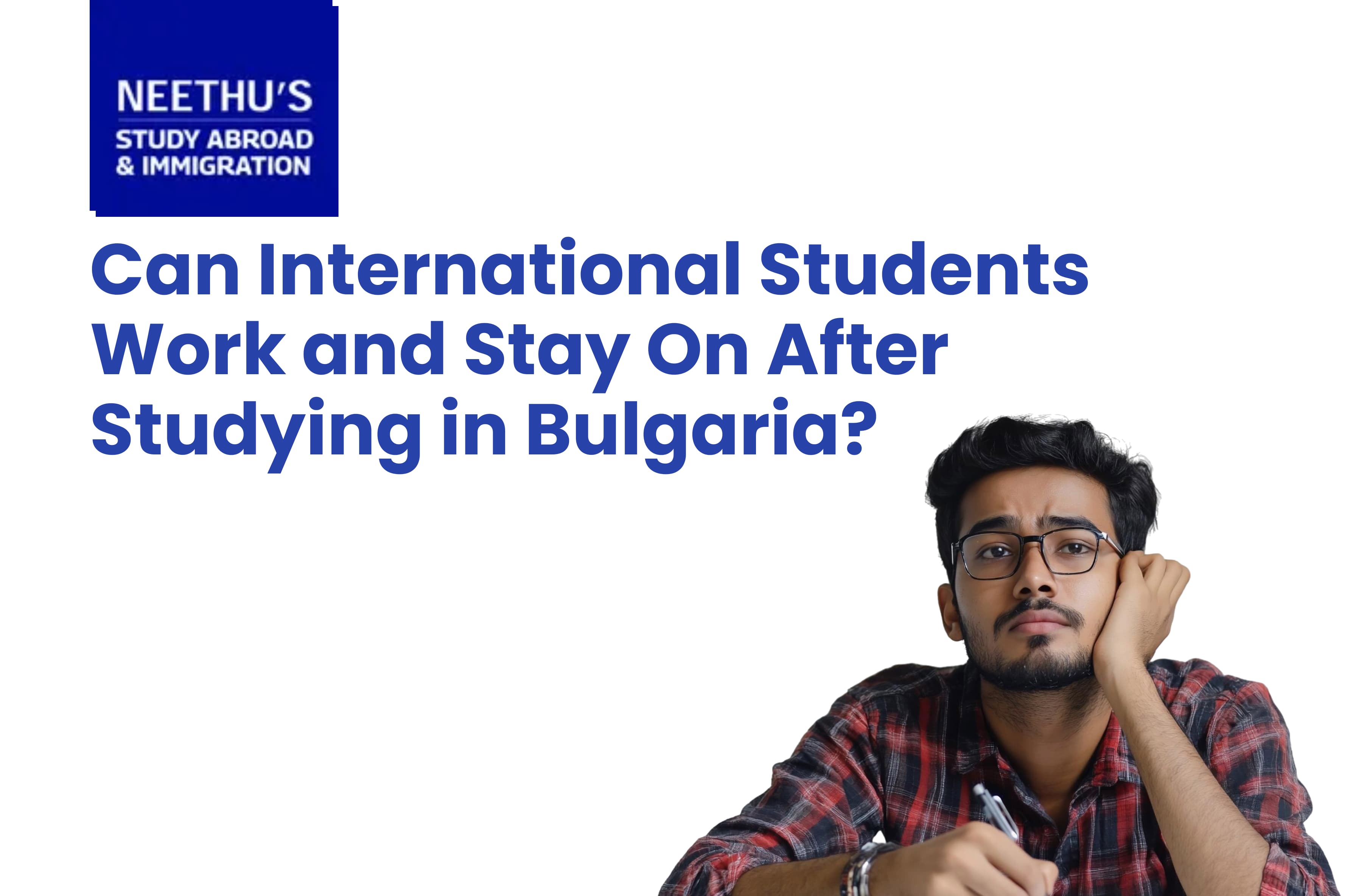
Bulgaria is attracting more international students who are looking for quality European education at a relatively affordable cost. Its universities offer a wide selection of programmes, including medicine, engineering, business, IT, economics, and various science-related disciplines.
For many students, however, completing a degree is just the beginning. They also want to understand their options after graduation, such as whether they can find a job, continue living in Bulgaria, and eventually qualify for longer-term residence.
International graduates may have opportunities to remain in Bulgaria after their studies, provided they meet the relevant immigration and employment conditions. Knowing these requirements in advance can help students plan their transition from university to professional life with greater confidence.
Can International Students Work in Bulgaria?
Yes, international students from outside the EU can work in Bulgaria under specific conditions. During their studies, students with a valid residence permit can generally work up to 20 hours per week during the academic year and during official holidays without obtaining a separate work permit.
This gives students an opportunity to gain practical experience while completing their education. Part-time employment can also help them become familiar with the Bulgarian workplace and develop skills that may be useful when looking for a full-time position after graduation.
However, students should distinguish between working during their studies and remaining in Bulgaria for employment after completing their programme. The rules are different once the study programme ends.
What Happens After Graduation?
A student's residence permit is linked to their study programme. Once the programme ends, the student residence permit is no longer valid for continuing to stay simply as a student. However, Bulgaria provides a period during which eligible graduates can seek and start employment.
According to the EU Immigration Portal, after completing their education, international students may seek and start work within nine months. Students who want to use employment brokerage services must register with the Employment Agency within seven business days of submitting the relevant application.
This makes the months immediately following graduation particularly important. Students should use this period to search for suitable positions, attend interviews, and complete the necessary employment and immigration formalities.
Is There a Bulgaria Post-Study Work Visa?
The term Bulgaria post study work visa is often used when discussing the option of staying after graduation. However, graduates should understand that Bulgaria does not operate a separate, automatic post-study work visa in the same way some other countries do.
Instead, graduates who want to continue working in Bulgaria need to obtain the appropriate work authorisation and residence status under the rules applicable to non-EU workers.
The exact route depends on the type of employment, qualifications, salary, employer, and other circumstances. A common option is the Single Permit, which combines permission to reside and work in Bulgaria. Highly qualified graduates may also be able to qualify for an EU Blue Card if they meet the relevant requirements.
How Can Graduates Stay in Bulgaria for Work?
For a non-EU graduate who wants to remain in Bulgaria, finding an eligible job is an important first step. The employer and employee may then need to complete the relevant work authorisation and residence procedures.
Single Permit
The Single Permit is a combined residence and work authorisation for non-EU workers. Under the current rules, the employer generally starts the process by applying for approval for the issuance of a Single Permit through the Employment Agency. Once the required approval and immigration procedures are completed, the permit allows the foreign national to reside and work for the specified employer.
A Single Permit is linked to a particular employer and position. If the worker wants to change employment, a new application may be required.
For a graduate who has secured a suitable full-time position, this can provide a legal route to continue living and working in Bulgaria after completing their studies.
EU Blue Card
Graduates with higher professional qualifications may also consider the EU Blue Card route.
The EU Blue Card is designed for highly qualified workers from outside the EU. In Bulgaria, applicants generally need a qualifying higher education qualification, a suitable employment contract or binding job offer, and a salary meeting the applicable threshold.
For graduates entering professional fields such as technology, engineering, finance, or other highly skilled sectors, this may be an option worth exploring if the employment and salary requirements are satisfied.
Work After Study in Bulgaria: What Should Students Prepare For?
The transition from university to employment can take time, so preparation should begin before graduation.
Students considering work after study should start researching the employment market while they are still studying. Building a professional CV, developing relevant skills, gaining internship experience, and connecting with potential employers can improve their prospects.
Build Practical Experience
Academic qualifications are important, but employers may also look for practical knowledge. Internships, projects, research work, and part-time employment can help students demonstrate their abilities.
Improve Language Skills
English is widely used in some professional environments, particularly in international companies. However, learning Bulgarian can be useful for communication and may expand employment opportunities, particularly in locally focused organisations.
Research Employers Early
Students should identify companies that recruit international graduates and understand the qualifications they expect. Applying early can provide more time to complete interviews and employment formalities before the student residence period ends.
Understand Immigration Requirements
Securing a job does not automatically mean that a graduate can continue living in Bulgaria without additional paperwork. Students should understand the residence and work authorisation requirements associated with their employment.
Can Graduates Apply for Long-Term Residence?
A long-term stay in Bulgaria can be possible if a graduate continues to meet the country's residence requirements.
According to the EU Immigration Portal, non-EU workers may generally become eligible for long-term residence after five years of legal residence, subject to conditions concerning continuity of residence and periods spent outside Bulgaria.
This means that the journey from student to long-term resident is not automatic. A graduate needs to maintain lawful residence and meet the relevant conditions throughout the period.
Students should also keep accurate records of their residence permits, employment, travel, and other immigration documents. These records may become important when applying for a longer-term residence status.
Does Studying in Bulgaria Automatically Lead to Permanent Residence?
No. Completing a degree in Bulgaria does not automatically grant permanent or long-term residence.
The student residence period and subsequent employment residence are governed by different rules. After graduation, the individual must obtain an appropriate legal basis for remaining in the country.
For example, a graduate may move from student status into employment through a Single Permit or, where eligible, an EU Blue Card. Continued lawful residence can eventually contribute towards eligibility for long-term residence, provided all other conditions are satisfied.
Therefore, students who already have long-term plans for Bulgaria should consider their immigration pathway alongside their education and career choices.
What Are the Benefits of Staying in Bulgaria After Graduation?
Remaining in Bulgaria after completing a degree can offer several advantages for graduates who successfully establish themselves in the local labour market.
European Work Experience
Working in Bulgaria provides international graduates with experience in a European professional environment. This can be valuable when building a long-term career.
Career Development
Graduates can use their qualifications and professional experience to progress within their chosen industry and develop specialised skills.
Cultural Exposure
Continuing to live in Bulgaria after university allows international graduates to experience the country beyond campus life and become more familiar with its language and culture.
Long-Term Residence Possibilities
For eligible individuals, continuous lawful residence may eventually create an opportunity to apply for long-term residence after meeting the required conditions.
How Should Students Plan Before Graduation?
Waiting until the final month of university can make the transition unnecessarily difficult. Students who want to remain in Bulgaria should start preparing well before their course ends.
A practical approach is to:
-
Build a strong CV and professional profile.
-
Gain relevant internship or work experience.
-
Research employers and available vacancies.
-
Develop language and communication skills.
-
Start applying for jobs before graduation.
-
Understand the applicable work permit requirements.
-
Keep all academic and immigration documents organised.
-
Check the expiry date of the current residence permit.
-
Seek professional immigration advice when necessary.
Good preparation gives graduates more time to find suitable employment and complete the required procedures.
Conclusion
Bulgaria can offer international students more than an academic qualification. For graduates who want to develop a career in the country, there are legal routes for moving from education into employment, provided they meet the relevant requirements.
The Bulgaria post-study work visa concept is better understood as a transition from student residence to an appropriate work and residence status rather than an automatic graduate visa. Eligible graduates have a nine-month period to seek and start employment after completing their studies, while longer-term options can include work-based permits and, for highly qualified professionals, the EU Blue Card.
The possibility of work after study in Bulgaria makes early career planning particularly important. Students should research employment opportunities, develop relevant skills, and understand the immigration process before their studies finish.
For those who eventually build a qualifying period of lawful residence, Bulgaria may also provide a route towards long-term residence. The rules can change, so graduates should always confirm the latest requirements with the Bulgarian authorities or official EU immigration resources before making decisions about their future.
Frequently Asked Questions
1. Can International Students Work in Bulgaria After Graduation?
Yes, international students can work in Bulgaria after completing their studies, provided they meet the applicable employment and residence requirements. Graduates can seek suitable employment and apply for the necessary work and residence authorisation to continue working in the country.
2. How long can students stay in Bulgaria after graduation?
Eligible graduates may seek and start employment within nine months after completing their education, subject to the applicable procedures.
3. Is there a separate post-study work visa for Bulgaria?
Bulgaria does not provide an automatic standalone post-study work visa. Graduates who want to work after their studies need to follow the applicable work and residence procedures.
4. Can I stay in Bulgaria if I find a job after graduation?
Yes, if you obtain the appropriate work authorisation and residence status. Depending on your circumstances, this may include a Single Permit or another qualifying residence route.
5. What is a Single Permit in Bulgaria?
A Single Permit combines the right to work and reside in Bulgaria for a specific employment arrangement. It is generally linked to the employer and position for which it was issued.
6. Can graduates apply for an EU Blue Card?
Highly qualified graduates may be eligible for an EU Blue Card if they meet the education, employment, salary, and other applicable requirements.
7. Can studying in Bulgaria lead to long-term residence?
Potentially. Eligible non-EU nationals may qualify for long-term residence after five years of legal residence, provided they satisfy the relevant conditions.
8. Is learning Bulgarian useful after graduation?
Yes. While some international companies operate in English, knowledge of Bulgarian can improve communication and may broaden employment opportunities.
9. When should I start looking for a job in Bulgaria?
It is advisable to begin researching employers and applying for suitable positions before completing your degree. Early preparation gives you more time to secure employment and complete the required formalities.
10. Can I build a long-term career in Bulgaria after studying there?
Yes. International graduates who secure suitable employment and maintain lawful residence can continue developing their careers in Bulgaria and may eventually become eligible for longer-term residence, depending on their circumstances.














































_03-12-2025_01-17-26%20PM.webp&w=3840&q=75)
_02-12-2025_03-07-49%20PM.webp&w=3840&q=75)
_27-11-2025_04-06-24%20PM.webp&w=3840&q=75)
_25-11-2025_04-38-18%20PM.webp&w=3840&q=75)
_24-11-2025_03-20-26%20PM.webp&w=3840&q=75)
_22-11-2025_12-44-47%20PM.webp&w=3840&q=75)
_21-11-2025_04-17-47%20PM.webp&w=3840&q=75)
_20-11-2025_03-55-26%20PM.webp&w=3840&q=75)
_18-11-2025_04-00-40%20PM.webp&w=3840&q=75)
_15-11-2025_10-48-43%20AM.webp&w=3840&q=75)
%20(1)_14-11-2025_03-52-25%20PM.webp&w=3840&q=75)
_13-11-2025_03-02-38%20PM.webp&w=3840&q=75)
_08-11-2025_04-15-36%20PM.webp&w=3840&q=75)
_05-11-2025_04-01-50%20PM.webp&w=3840&q=75)
_05-11-2025_03-46-26%20PM.webp&w=3840&q=75)
_03-11-2025_03-31-09%20PM.webp&w=3840&q=75)
_04-11-2025_.webp&w=3840&q=75)
_04-11-2025_.webp&w=3840&q=75)
_28-10-2025_04-09-08%20PM.webp&w=3840&q=75)
_24-10-2025_05-10-31%20PM.webp&w=3840&q=75)
_24-10-2025_04-55-51%20PM.webp&w=3840&q=75)
_22-10-2025_04-40-20%20PM.webp&w=3840&q=75)
%20(1)_21-10-2025_03-05-46%20PM.webp&w=3840&q=75)
_21-10-2025_02-43-15%20PM.webp&w=3840&q=75)
_17-10-2025_05-08-52%20PM.webp&w=3840&q=75)
_17-10-2025_04-54-54%20PM.webp&w=3840&q=75)
_15-10-2025_03-46-47%20PM.webp&w=3840&q=75)
_14-10-2025_03-42-40%20PM.webp&w=3840&q=75)
_14-10-2025_03-29-48%20PM.webp&w=3840&q=75)
_13-10-2025_03-48-51%20PM.webp&w=3840&q=75)
_11-10-2025_04-28-42%20PM.webp&w=3840&q=75)
%20(1)_09-10-2025_04-12-08%20PM.webp&w=3840&q=75)
_07-10-2025_02-55-25%20PM.webp&w=3840&q=75)
_07-10-2025_02-39-51%20PM.webp&w=3840&q=75)
_06-10-2025_03-42-37%20PM.webp&w=3840&q=75)
_03-10-2025_04-42-59%20PM.webp&w=3840&q=75)
_01-10-2025_11-12-12%20AM.webp&w=3840&q=75)
%20(1)_29-09-2025_02-54-12%20PM.webp&w=3840&q=75)
_26-09-2025_12-14-18%20PM.webp&w=3840&q=75)
_24-09-2025_04-44-26%20PM.webp&w=3840&q=75)
_23-09-2025_04-14-36%20PM.webp&w=3840&q=75)
_22-09-2025_04-08-09%20PM.webp&w=3840&q=75)
_20-09-2025_03-26-03%20PM.webp&w=3840&q=75)
_17-09-2025_04-06-42%20PM.webp&w=3840&q=75)
_15-09-2025_04-43-43%20PM.webp&w=3840&q=75)
_13-09-2025_12-17-49%20PM.webp&w=3840&q=75)
_12-09-2025_04-31-36%20PM.webp&w=3840&q=75)
_12-09-2025_04-17-03%20PM.webp&w=3840&q=75)
_10-09-2025_03-59-59%20PM.webp&w=3840&q=75)
_09-09-2025_04-11-16%20PM.webp&w=3840&q=75)
_09-09-2025_03-53-52%20PM.webp&w=3840&q=75)














_12-06-2025_03-40-35%20PM.webp&w=3840&q=75)