MBBS in Moldova: Fees, Eligibility, Admission & Top University Guide
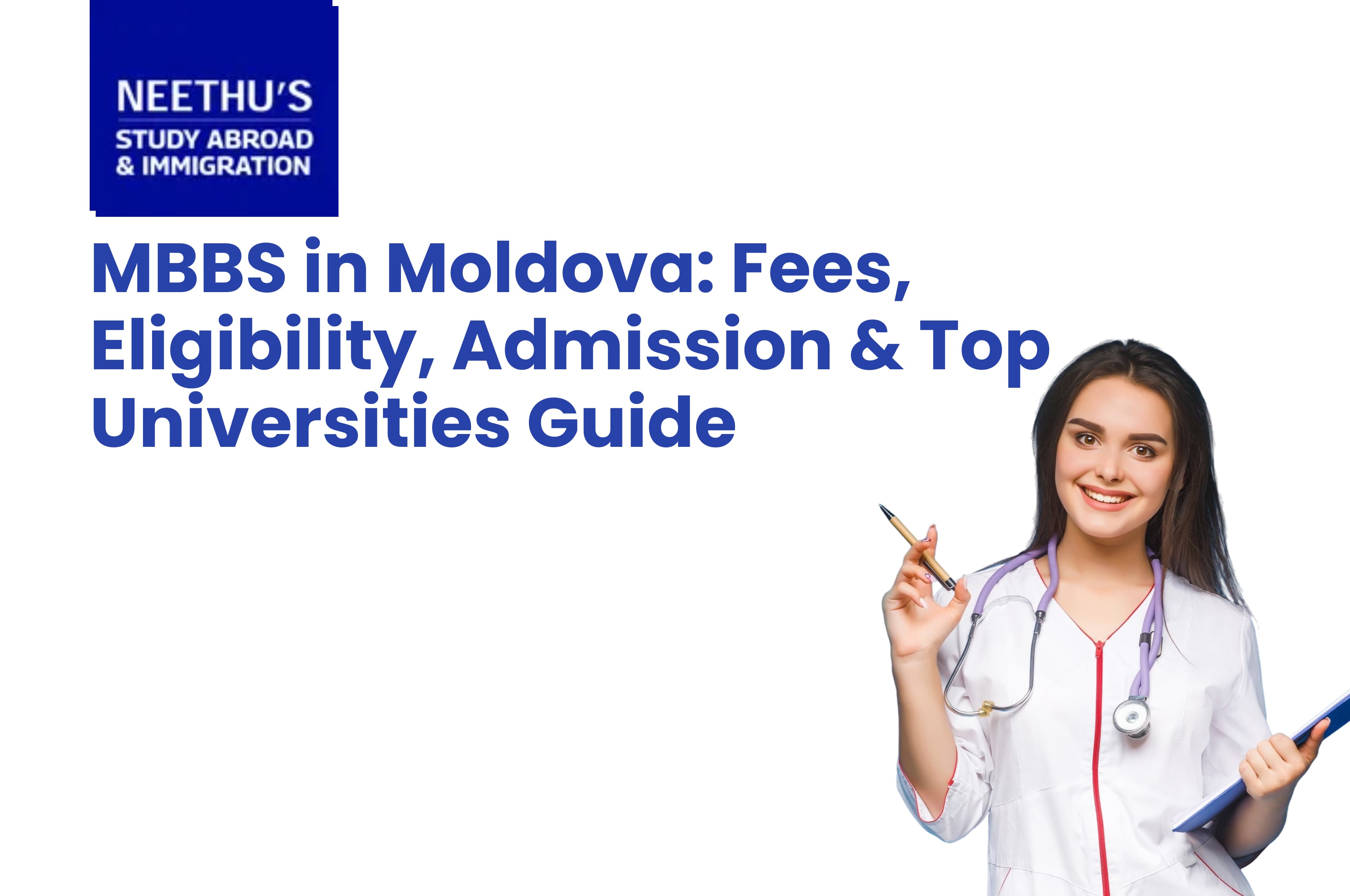
Medical education abroad has become an option for students who are looking for alternatives to studying medicine in India. While choosing a foreign university, students need to look beyond the advertised tuition fee. The duration of the programme, quality of teaching, clinical exposure, accommodation, living expenses, admission rules, and future licensing requirements all influence whether a university is a suitable choice.
Moldova is a European destination that offers medical education to international students. Its capital, Chișinău, is home to a specialised medical university that provides a Medicine programme with an English-language option.
For Indian applicants, understanding the academic and financial aspects beforehand can make the decision-making process easier. Students researching mbbs in moldova for indian students should also consider what will be required if they intend to return to India after completing their medical education.
Medical Education in Moldova
Moldova has developed a higher-education system that includes programmes in medicine, pharmacy, dentistry, and other healthcare fields. The country's principal specialised medical institution is Nicolae Testemițanu State University of Medicine and Pharmacy.
Located in Chișinău, the university accepts international students and offers Medicine in English. The programme introduces students to basic medical sciences before progressing toward clinical subjects and practical education.
International students can study alongside learners from different countries, providing exposure to a multicultural academic environment. Although the programme can be studied in English, learning some of the local language can be beneficial during everyday life and clinical interactions.
How Long Is the Medical Course?
The Medicine programme is designed as a six-year full-time course.
The initial part of the programme focuses on subjects that provide the scientific foundation required for medical practice. Students study areas such as anatomy, physiology, biochemistry, pathology, and pharmacology before moving deeper into clinical disciplines.
In the later years, the emphasis shifts toward diagnosing and managing health conditions, clinical subjects, and practical learning. This progression allows students to build their knowledge gradually rather than entering clinical training without sufficient theoretical preparation.
Students from India should examine the exact curriculum and training structure before enrolment, particularly if their long-term plan is to practise medicine in India.
Tuition Fees for MBBS in Moldova
The tuition charged to international students depends on the institution and the applicable academic year's fee schedule.
For the English-medium Medicine programme at Nicolae Testemițanu State University of Medicine and Pharmacy, an indicative tuition amount is approximately MDL 90,000 – MDL 1,65,000 (approximately ₹4 lakh – ₹7 lakh) per annum after converting the published fee using an approximate exchange rate.
The INR figures are only approximate because exchange rates between the Moldovan Leu and Indian Rupee change over time. Students should confirm the current fee in writing with the university before making financial commitments.
In addition to tuition, families should account for accommodation, meals, transportation, health insurance, study materials, visa-related expenses, flights, and personal spending.
Overall Cost of Medical Education
Calculating the complete budget is more useful than focusing on tuition alone.
For Indian students, the total cost of studying MBBS in Moldova can be estimated at approximately ₹25 lakh to ₹45 lakh for the full course. The actual amount may vary depending on tuition, accommodation, personal lifestyle, travel frequency, exchange rates, and other expenses.
Students staying in economical accommodation and maintaining a controlled budget may have lower expenses. Those choosing private housing or spending more on travel and personal activities may require a larger budget.
Since the programme lasts several years, families should also keep an emergency fund for unexpected expenses.
Living Expenses for Students
The amount spent on daily living depends on individual choices.
Accommodation is likely to be one of the largest expenses apart from tuition. Students who use university accommodation may be able to reduce their housing costs compared with those renting private apartments.
Food expenses can also vary. Preparing meals at home is generally a different financial commitment from regularly eating at restaurants or ordering food.
A student budget may also need to include:
-
Local transportation
-
Mobile and internet charges
-
Books and stationery
-
Clothing
-
Personal-care items
-
Entertainment
-
Medical and emergency expenses
-
Travel between Moldova and India
Planning these costs in advance can help families establish a realistic financial reserve.
Eligibility for Indian Students
Admission requirements must be checked before submitting an application because universities can establish their own academic criteria.
Students generally need to complete their higher secondary education with the science subjects required for medical studies. Physics, Chemistry, and Biology are particularly important for applicants seeking admission to Medicine.
Academic certificates and marksheets are normally reviewed as part of the application process. The university may also assess whether the applicant's educational background meets the requirements for the programme.
Indian applicants should separately review the conditions applicable to medical education abroad, including the current requirements related to NEET.
NEET and Foreign Medical Education
Students from India who plan to study medicine overseas need to understand the current NEET rules before beginning their application.
NEET eligibility is an important consideration for Indian medical aspirants. However, fulfilling the applicable NEET requirement does not automatically secure admission to a particular university.
The applicant must still meet the university's academic criteria and complete the institution's admission procedure.
Because regulations can be revised, students should confirm the latest requirements through official sources before making any payment or finalising their study plans.
Step-by-Step Admission Process
The admission process can vary between institutions, but international applicants generally follow a series of common steps.
Research Available Programmes
Begin by identifying universities that offer Medicine to international students. Compare the course duration, tuition, teaching language, curriculum, clinical exposure, accommodation, and location.
Check Academic Requirements
Review the latest eligibility conditions and make sure your secondary-school qualification and science subjects satisfy the university's criteria.
Prepare Your Documents
Academic certificates, transcripts, passport details, photographs, and other supporting documents should be prepared in advance.
Some documents may need official translation, authentication, or legalisation depending on the relevant rules.
Submit the Application
Complete the university application accurately and provide all requested documents.
Before submission, check that your name, date of birth, academic information, and passport details are consistent across the paperwork.
Attend an Assessment if Required
Some institutions may require an interview, entrance assessment, or academic evaluation. Students should check whether such a step applies to their chosen programme.
Receive the Offer or Admission Letter
Successful applicants receive the documents confirming their admission. Before paying tuition, students should check the fee amount, payment schedule, refund policy, course duration, and other terms.
Complete Visa Formalities
Once the necessary admission documentation has been received, students can proceed with the applicable student visa process.
The authorities may require proof of admission, identity documents, financial evidence, insurance, photographs, and other paperwork.
Documents Generally Required
The exact document list should be obtained from the selected university. Depending on the applicant and programme, it may include:
-
Valid passport
-
Higher secondary certificate
-
Academic marksheets
-
Birth certificate
-
Passport-size photographs
-
Medical documentation where applicable
-
University application form
-
Admission or acceptance letter
-
Payment documentation
-
Translated or authenticated certificates where required
Applicants should not assume that an old checklist remains valid for a new admission cycle.
Top Medical University in Moldova
Nicolae Testemițanu State University of Medicine and Pharmacy
Nicolae Testemițanu State University of Medicine and Pharmacy is located in Chișinău and is Moldova's major specialised institution for medical and pharmaceutical education.
Its Medicine programme is available to international students, including an English-medium option. The course combines scientific foundations with medical subjects, clinical disciplines, practical learning, and clinical training.
Its location in the capital also gives students access to a larger urban environment with public transport, accommodation options, healthcare institutions, shops, and other everyday facilities.
Prospective students should examine the latest university information rather than relying solely on rankings or promotional material when deciding whether the institution is suitable.
Importance of Clinical Training
A medical qualification involves considerably more than passing written examinations. Students need practical experience to understand how medical knowledge is applied in real healthcare settings.
During the later stages of the Medicine programme, clinical subjects and practical activities become increasingly important. Students can develop their understanding of patient assessment, diagnosis, treatment, and professional communication.
Indian students should investigate the clinical component before admission. They should find out which healthcare facilities are involved, how clinical rotations are organised, how much practical exposure students receive, and how the internship is structured.
These details can be particularly significant for graduates who intend to pursue medical registration in India.
NMC Requirements and Indian Students
Students planning mbbs in moldova should investigate the current National Medical Commission requirements before choosing a programme.
Foreign medical graduates must meet the applicable conditions before they can practise medicine in India. Depending on the regulations in force for their admission year, requirements can relate to the duration and structure of medical education, medium of instruction, clinical training, internship, and other academic elements.
Students should therefore avoid assuming that a foreign medical degree automatically provides eligibility for medical practice in India.
The regulations applicable to a student can depend on the relevant admission period, making it important to check the latest official information before enrolment.
Advantages of Studying Medicine in Moldova
There are several factors that may make Moldova worth considering for international medical students.
The availability of English-medium education can make the academic programme more accessible to international applicants. The six-year course provides a structured route through basic sciences, medical subjects, and clinical education.
The country also offers students an opportunity to experience a different European environment and interact with people from various cultural backgrounds.
For families comparing destinations, the overall cost may also be a consideration. However, affordability should not outweigh important issues such as clinical exposure, university quality, regulatory compliance, and future career plans.
What to Verify Before Paying Fees
Students should verify important information independently before making a financial commitment.
The university should be contacted to confirm the latest tuition fee, admission requirements, course duration, teaching language, clinical arrangements, accommodation availability, and payment terms.
Indian applicants should also check the current NMC requirements that apply to their planned admission year.
A detailed cost estimate should include more than tuition. Families should consider accommodation, food, insurance, transportation, flights, visa-related expenses, books, and personal spending.
Keeping copies of receipts and official university correspondence can also provide useful documentation throughout the admission process.
Career Opportunities After Medical Education
Graduation from a medical university does not automatically mean that a student can practise medicine in every country.
Graduates must meet the registration and licensing rules of the country where they want to work. For Indian students returning home, the applicable foreign medical graduate requirements must be fulfilled before beginning medical practice.
Depending on their qualifications and eligibility, graduates may later pursue postgraduate education, research, healthcare administration, or medical employment in other countries.
The available opportunities will depend on professional registration, examination requirements, experience, academic performance, and the laws governing medical practice in the destination country.
Conclusion
Moldova can be an option for Indian students seeking a European medical education, particularly for those interested in an English-medium programme.
The financial planning should cover the complete six-year period. An indicative tuition cost of MDL 90,000 – MDL 1,65,000 (approximately ₹4 lakh – ₹7 lakh) per annum provides a useful starting figure, although the university's latest official fee schedule should always take priority.
After including tuition, accommodation, food, travel, insurance, and personal expenses, students can plan for an estimated ₹25 lakh to ₹45 lakh as the total cost of studying MBBS in Moldova. Individual spending patterns and changes in tuition or exchange rates can affect the final amount.
Before enrolling, Indian applicants should verify the university's academic details, admission criteria, clinical training, NEET requirements, and the latest regulations governing foreign medical graduates. Careful preparation at the beginning can help students avoid complications later and choose a medical programme that fits their academic, financial, and career plans.
Frequently Asked Questions
1. Is MBBS in Moldova available for Indian students?
Yes. International students can apply for Medicine programmes in Moldova, including English-medium options. Indian applicants must satisfy the university's admission criteria and applicable requirements for studying medicine abroad.
2. What is the duration of MBBS in Moldova?
The Medicine programme generally takes six years of full-time study, including foundational medical sciences, clinical subjects, practical education, and clinical training.
3. What are the MBBS fees in Moldova for Indian students?
An indicative tuition fee for the English-medium Medicine programme can be around MDL 90,000 – MDL 1,65,000 (approximately ₹4 lakh – ₹7 lakh) per annum. The exact fee should be confirmed with the university because fees and exchange rates can change.
4. What is the total cost of studying MBBS in Moldova?
The estimated total cost for the complete programme ranges from ₹25 lakh to ₹45 lakh. This can include tuition, accommodation, food, travel, insurance, and other living expenses, depending on the student's choices.
5. Is NEET required to study medicine in Moldova?
Indian students should check the current NEET requirements applicable to studying medicine abroad. Meeting the relevant NEET requirement does not by itself guarantee admission, as university-specific eligibility criteria must also be fulfilled.
6. Is MBBS in Moldova taught in English?
Yes. The Medicine programme at Nicolae Testemițanu State University of Medicine and Pharmacy offers an English-language option for international students.
7. What documents are required for admission?
Students may generally need a valid passport, higher secondary certificate, academic transcripts, photographs, birth certificate, medical documents, application forms, and other documents specified by the university.
8. Which is the main medical university in Moldova?
Nicolae Testemițanu State University of Medicine and Pharmacy in Chișinău is Moldova's major specialised institution for medical and pharmaceutical education and offers Medicine to international students.
9. Can Indian students practise medicine in India after graduating from Moldova?
Graduates must satisfy the applicable National Medical Commission requirements and other professional licensing conditions before practising medicine in India. Students should check the rules applicable to their admission year before enrolling.
10. What should students check before choosing a medical university in Moldova?
Students should verify the university's current recognition and academic status, course duration, tuition fees, medium of instruction, clinical training, internship arrangements, admission requirements, accommodation, and the regulations applicable to practising medicine after graduation.










































































































_03-12-2025_01-17-26%20PM.webp&w=3840&q=75)
_02-12-2025_03-07-49%20PM.webp&w=3840&q=75)

_27-11-2025_04-06-24%20PM.webp&w=3840&q=75)
_25-11-2025_04-38-18%20PM.webp&w=3840&q=75)
_24-11-2025_03-20-26%20PM.webp&w=3840&q=75)
_22-11-2025_12-44-47%20PM.webp&w=3840&q=75)
_21-11-2025_04-17-47%20PM.webp&w=3840&q=75)
_20-11-2025_03-55-26%20PM.webp&w=3840&q=75)
_18-11-2025_04-00-40%20PM.webp&w=3840&q=75)
_15-11-2025_10-48-43%20AM.webp&w=3840&q=75)
%20(1)_14-11-2025_03-52-25%20PM.webp&w=3840&q=75)
_13-11-2025_03-02-38%20PM.webp&w=3840&q=75)
_08-11-2025_04-15-36%20PM.webp&w=3840&q=75)
_05-11-2025_04-01-50%20PM.webp&w=3840&q=75)
_05-11-2025_03-46-26%20PM.webp&w=3840&q=75)
_03-11-2025_03-31-09%20PM.webp&w=3840&q=75)
_04-11-2025_.webp&w=3840&q=75)
_04-11-2025_.webp&w=3840&q=75)
_28-10-2025_04-09-08%20PM.webp&w=3840&q=75)
_24-10-2025_05-10-31%20PM.webp&w=3840&q=75)
_24-10-2025_04-55-51%20PM.webp&w=3840&q=75)
_22-10-2025_04-40-20%20PM.webp&w=3840&q=75)
%20(1)_21-10-2025_03-05-46%20PM.webp&w=3840&q=75)
_21-10-2025_02-43-15%20PM.webp&w=3840&q=75)
_17-10-2025_05-08-52%20PM.webp&w=3840&q=75)
_17-10-2025_04-54-54%20PM.webp&w=3840&q=75)
_15-10-2025_03-46-47%20PM.webp&w=3840&q=75)
_14-10-2025_03-42-40%20PM.webp&w=3840&q=75)
_14-10-2025_03-29-48%20PM.webp&w=3840&q=75)
_13-10-2025_03-48-51%20PM.webp&w=3840&q=75)
_11-10-2025_04-28-42%20PM.webp&w=3840&q=75)
%20(1)_09-10-2025_04-12-08%20PM.webp&w=3840&q=75)
_07-10-2025_02-55-25%20PM.webp&w=3840&q=75)
_07-10-2025_02-39-51%20PM.webp&w=3840&q=75)
_06-10-2025_03-42-37%20PM.webp&w=3840&q=75)
_03-10-2025_04-42-59%20PM.webp&w=3840&q=75)
_01-10-2025_11-12-12%20AM.webp&w=3840&q=75)
%20(1)_29-09-2025_02-54-12%20PM.webp&w=3840&q=75)
_26-09-2025_12-14-18%20PM.webp&w=3840&q=75)
_24-09-2025_04-44-26%20PM.webp&w=3840&q=75)
_23-09-2025_04-14-36%20PM.webp&w=3840&q=75)
_22-09-2025_04-08-09%20PM.webp&w=3840&q=75)
_20-09-2025_03-26-03%20PM.webp&w=3840&q=75)
_17-09-2025_04-06-42%20PM.webp&w=3840&q=75)
_15-09-2025_04-43-43%20PM.webp&w=3840&q=75)
_13-09-2025_12-17-49%20PM.webp&w=3840&q=75)
_12-09-2025_04-31-36%20PM.webp&w=3840&q=75)
_12-09-2025_04-17-03%20PM.webp&w=3840&q=75)
_10-09-2025_03-59-59%20PM.webp&w=3840&q=75)
_09-09-2025_04-11-16%20PM.webp&w=3840&q=75)
_09-09-2025_03-53-52%20PM.webp&w=3840&q=75)






































_12-06-2025_03-40-35%20PM.webp&w=3840&q=75)