How to Find Part Time Jobs in Malta for International Students | Complete Guide
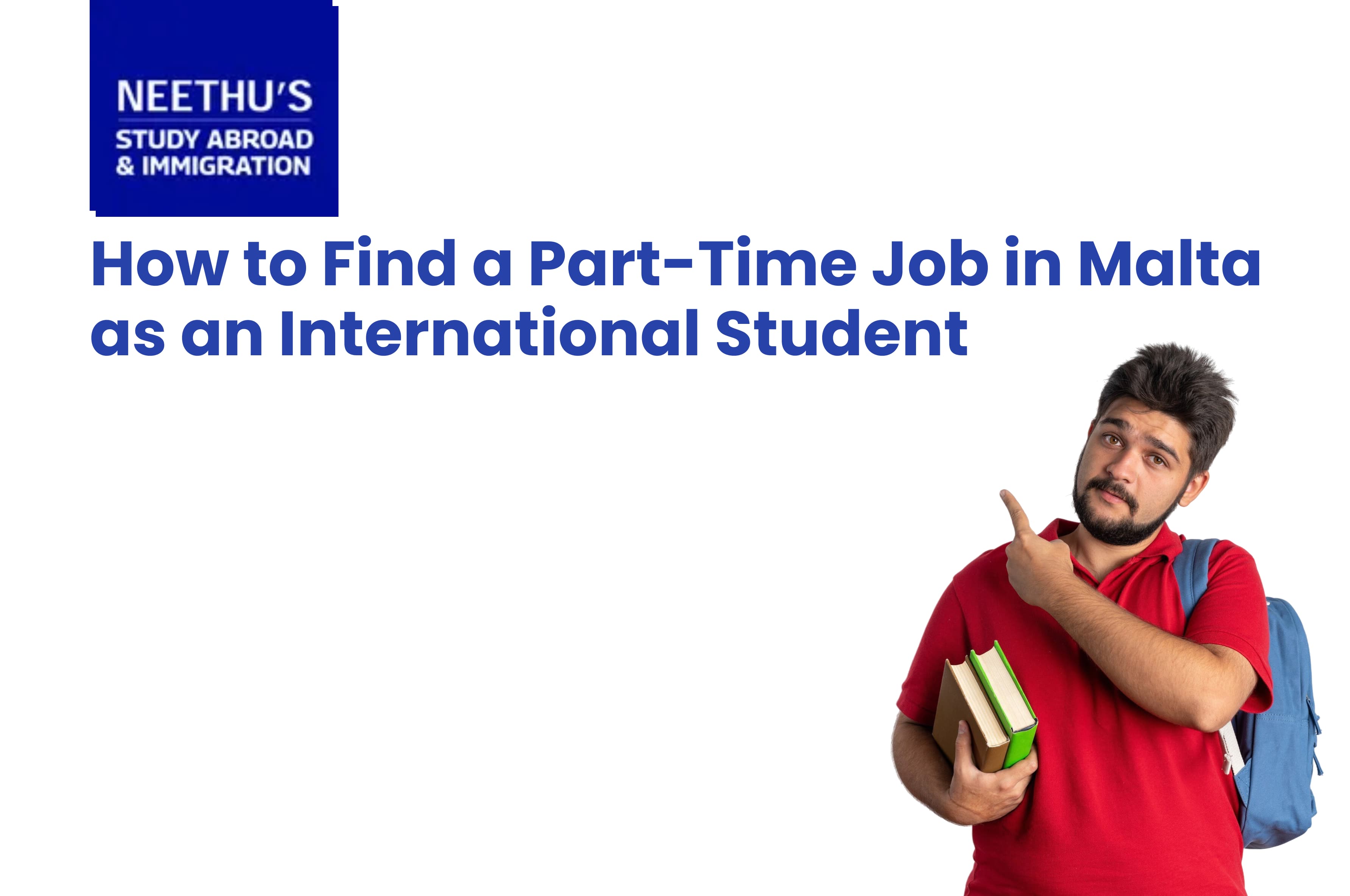
Studying in Malta offers international students the chance to receive a quality education while experiencing a multicultural European lifestyle. Along with academics, many students look for ways to earn extra income to manage their living expenses and gain practical work experience. A part-time job not only helps cover daily costs but also allows students to develop valuable workplace skills, build professional networks, and understand the local work culture.
Finding part time jobs in Malta for international students is easier when you know where to search, understand the eligibility requirements, and prepare yourself for the job market. Whether you are looking for work in hospitality, retail, customer service, or administration, Malta offers a variety of opportunities that can fit around your study schedule.
Why Consider a Part-Time Job in Malta?
Choosing part time jobs in Malta for international students offers much more than just an opportunity to earn extra income. Working while studying provides valuable real-world experience that complements classroom learning and helps students become more confident in professional settings. It also enhances communication skills through daily interactions with colleagues, customers, and people from diverse cultural backgrounds.
In addition to financial support, part-time employment helps students develop essential workplace skills such as time management, teamwork, adaptability, and problem-solving. These qualities are highly valued by employers and can improve career prospects after graduation. By taking up part time jobs in Malta, students can better manage their living expenses, reduce their financial burden, and gain practical experience that strengthens their resume for future job opportunities.
Eligibility to Work as an International Student
International students can work in Malta, provided they meet the country's immigration and employment requirements. Students from non-European Union countries are generally permitted to work after fulfilling the conditions attached to their student residence permit. Before accepting employment, students must ensure they have the necessary work authorization and that the employer follows the legal hiring process.
It is always advisable to stay updated with the latest immigration policies, as employment regulations may change over time. Following the correct procedures ensures a smooth and legal working experience during your studies.
Types of Part-Time Jobs Available in Malta
International students can explore a wide range of employment opportunities across different industries. Some of the most popular options include:
-
Hospitality Jobs – Hotels, restaurants, cafés, resorts, and bars often hire students as waiters, kitchen assistants, receptionists, housekeeping staff, and food service assistants.
-
Retail Jobs – Supermarkets, shopping malls, clothing stores, and convenience stores recruit part-time sales assistants, cashiers, stock assistants, and customer service staff.
-
Customer Service Roles – International companies regularly hire students for call centres, customer support, email support, and online chat assistance.
-
Administrative Jobs – Offices may offer part-time opportunities in reception, data entry, filing, document management, and office assistance.
-
Delivery and Logistics – Students can work as delivery assistants, warehouse helpers, packaging staff, or inventory assistants.
-
Tutoring – Students who are fluent in English or other languages may find opportunities to tutor school students or teach conversational English.
-
Event and Promotional Jobs – Promotional campaigns, exhibitions, conferences, and seasonal events often require temporary staff for registration, promotions, and event coordination.
-
Cleaning and Maintenance Jobs – Hotels, commercial buildings, and residential facilities occasionally hire part-time cleaning and maintenance staff.
-
Tourism-Related Jobs – Since tourism is one of Malta's largest industries, students may find seasonal work as tourist assistants, ticketing staff, or visitor support executives.
Where to Search for Part-Time Jobs
Finding the right job becomes much easier when you use multiple job search methods. Most colleges and universities offer career support services that help students connect with employers seeking part-time workers. Career centres often advertise vacancies suitable for international students and organize recruitment events throughout the academic year.
Online job portals are another excellent source of opportunities. These platforms allow students to search vacancies based on industry, working hours, and location. Professional networking websites also help students connect directly with recruiters and employers.
Social media groups dedicated to employment in Malta regularly share openings for hospitality, retail, and customer service positions. Many students also secure jobs by visiting businesses personally and submitting their resumes directly to hiring managers.
Preparing an Effective Resume
Your resume is often the first impression an employer receives, so it should be clear, professional, and well-organized. Include your educational background, language proficiency, computer skills, certifications, and any previous work, internship, or volunteer experience.
If you do not have prior work experience, focus on transferable skills such as communication, teamwork, adaptability, problem-solving, and customer service. Tailoring your resume to match the job description increases your chances of being shortlisted for interviews.
Networking Can Open More Opportunities
Networking is one of the most effective ways to discover job openings. Attend university career fairs, workshops, seminars, and networking events where employers interact with students. Building relationships with classmates, professors, alumni, and local professionals can often lead to valuable employment opportunities.
Even volunteering for campus activities or community events can help you meet potential employers while strengthening your resume.
Interview Preparation Tips
After receiving an interview invitation, spend time researching the company and understanding the responsibilities of the role. Employers usually appreciate candidates who demonstrate genuine interest in the organization.
Dress appropriately, arrive on time, and answer questions confidently. Highlight your willingness to learn, flexibility in managing work alongside studies, and ability to communicate effectively with customers and colleagues. Maintaining a positive attitude throughout the interview often leaves a lasting impression.
Expected Salary for International Students
Before accepting any position, students should understand the expected earnings for part-time work. The malta part time jobs salary for international students varies depending on factors such as industry, employer, work experience, and job responsibilities.
Hospitality, retail, and customer service jobs usually offer competitive hourly wages, while administrative or specialized roles may provide slightly higher pay. Students working during weekends, holidays, or peak tourist seasons may also receive better compensation depending on the employer's policies.
Understanding the malta part time jobs salary for international students helps students plan their monthly budget more effectively and estimate how much they can contribute toward accommodation, transportation, groceries, and other daily expenses.
Tips for Balancing Work and Studies
Successfully balancing employment and academics requires careful planning. Students should create a weekly schedule that allocates enough time for classes, assignments, revision, work shifts, and personal activities.
Choosing an employer who offers flexible working hours can make it easier to manage academic responsibilities. During examination periods, students should communicate their availability well in advance to avoid scheduling conflicts.
Maintaining a healthy work-life balance by getting enough rest, eating nutritious meals, and taking time to relax helps improve both academic performance and workplace productivity.
Common Mistakes to Avoid
Many students make the mistake of delaying their job search until they urgently need money. Starting early gives you access to more opportunities and allows you to prepare better applications.
Another common error is sending the same resume to every employer without customization. Tailoring your application for each position significantly improves your chances of success.
Students should also avoid accepting jobs without verifying legal work requirements or neglecting their studies because of excessive working hours. Maintaining academic performance should always remain the top priority throughout your education.
Conclusion
Finding a part-time job in Malta is an achievable goal for international students who prepare well and approach the job search strategically. From hospitality and retail to customer service and administrative roles, Malta offers numerous opportunities for students to gain practical experience while supporting their living expenses.
Success depends on understanding employment regulations, preparing a professional resume, networking effectively, and applying consistently through reliable sources. By balancing work with academics and developing valuable workplace skills, students can make the most of their study abroad experience and build a strong foundation for their future careers. With determination, patience, and proper planning, a part-time job can become an enriching part of your educational journey in Malta.
Frequently Asked Questions
1. Can international students work part-time in Malta?
Yes, international students can work part-time in Malta, provided they meet the eligibility requirements and obtain the necessary work authorization according to Maltese regulations.
2. How many hours can international students work in Malta?
The number of working hours depends on the conditions of the student's residence permit and employment regulations. Students should always follow the latest guidelines issued by the relevant authorities.
3. What are the best part-time jobs in Malta for international students?
Some popular options include hospitality jobs, retail sales, customer service, administrative support, tutoring, delivery services, event staffing, and tourism-related roles.
4. What is the average Malta part-time job salary for international students?
The salary varies depending on the employer, industry, experience, and job role. Most part-time jobs pay hourly wages that comply with Malta's labour regulations.
5. Where can I find part-time jobs in Malta as an international student?
Students can search through university career centres, online job portals, company websites, recruitment agencies, social media job groups, and by applying directly to local businesses.
6. Do I need previous work experience to get a part-time job in Malta?
No. Many employers hire students without prior experience, especially for entry-level roles in hospitality, retail, and customer service. Good communication skills and a positive attitude are often more important.
7. Can I work while studying full-time in Malta?
Yes, many international students successfully balance part-time work with their studies. Choosing flexible work schedules and managing your time effectively is essential.
8. What documents are required to apply for a part-time job in Malta?
Employers may ask for your passport, residence permit, work authorization (if applicable), updated CV, educational documents, and identification proof before hiring.
9. Which industries offer the most part-time opportunities in Malta?
Hospitality, tourism, retail, customer support, food services, logistics, and administration are among the industries that regularly hire international students for part-time positions.
10. Is it easy to find part-time jobs in Malta for international students?
Yes, with proper preparation, a well-written CV, active job searching, and networking, many international students are able to secure suitable part-time employment in Malta while pursuing their studies.



































































































_03-12-2025_01-17-26%20PM.webp&w=3840&q=75)
_02-12-2025_03-07-49%20PM.webp&w=3840&q=75)

_27-11-2025_04-06-24%20PM.webp&w=3840&q=75)
_25-11-2025_04-38-18%20PM.webp&w=3840&q=75)
_24-11-2025_03-20-26%20PM.webp&w=3840&q=75)
_22-11-2025_12-44-47%20PM.webp&w=3840&q=75)
_21-11-2025_04-17-47%20PM.webp&w=3840&q=75)
_20-11-2025_03-55-26%20PM.webp&w=3840&q=75)
_18-11-2025_04-00-40%20PM.webp&w=3840&q=75)
_15-11-2025_10-48-43%20AM.webp&w=3840&q=75)
%20(1)_14-11-2025_03-52-25%20PM.webp&w=3840&q=75)
_13-11-2025_03-02-38%20PM.webp&w=3840&q=75)
_08-11-2025_04-15-36%20PM.webp&w=3840&q=75)
_05-11-2025_04-01-50%20PM.webp&w=3840&q=75)
_05-11-2025_03-46-26%20PM.webp&w=3840&q=75)
_03-11-2025_03-31-09%20PM.webp&w=3840&q=75)
_04-11-2025_.webp&w=3840&q=75)
_04-11-2025_.webp&w=3840&q=75)
_28-10-2025_04-09-08%20PM.webp&w=3840&q=75)
_24-10-2025_05-10-31%20PM.webp&w=3840&q=75)
_24-10-2025_04-55-51%20PM.webp&w=3840&q=75)
_22-10-2025_04-40-20%20PM.webp&w=3840&q=75)
%20(1)_21-10-2025_03-05-46%20PM.webp&w=3840&q=75)
_21-10-2025_02-43-15%20PM.webp&w=3840&q=75)
_17-10-2025_05-08-52%20PM.webp&w=3840&q=75)
_17-10-2025_04-54-54%20PM.webp&w=3840&q=75)
_15-10-2025_03-46-47%20PM.webp&w=3840&q=75)
_14-10-2025_03-42-40%20PM.webp&w=3840&q=75)
_14-10-2025_03-29-48%20PM.webp&w=3840&q=75)
_13-10-2025_03-48-51%20PM.webp&w=3840&q=75)
_11-10-2025_04-28-42%20PM.webp&w=3840&q=75)
%20(1)_09-10-2025_04-12-08%20PM.webp&w=3840&q=75)
_07-10-2025_02-55-25%20PM.webp&w=3840&q=75)
_07-10-2025_02-39-51%20PM.webp&w=3840&q=75)
_06-10-2025_03-42-37%20PM.webp&w=3840&q=75)
_03-10-2025_04-42-59%20PM.webp&w=3840&q=75)
_01-10-2025_11-12-12%20AM.webp&w=3840&q=75)
%20(1)_29-09-2025_02-54-12%20PM.webp&w=3840&q=75)
_26-09-2025_12-14-18%20PM.webp&w=3840&q=75)
_24-09-2025_04-44-26%20PM.webp&w=3840&q=75)
_23-09-2025_04-14-36%20PM.webp&w=3840&q=75)
_22-09-2025_04-08-09%20PM.webp&w=3840&q=75)
_20-09-2025_03-26-03%20PM.webp&w=3840&q=75)
_17-09-2025_04-06-42%20PM.webp&w=3840&q=75)
_15-09-2025_04-43-43%20PM.webp&w=3840&q=75)
_13-09-2025_12-17-49%20PM.webp&w=3840&q=75)
_12-09-2025_04-31-36%20PM.webp&w=3840&q=75)
_12-09-2025_04-17-03%20PM.webp&w=3840&q=75)
_10-09-2025_03-59-59%20PM.webp&w=3840&q=75)
_09-09-2025_04-11-16%20PM.webp&w=3840&q=75)
_09-09-2025_03-53-52%20PM.webp&w=3840&q=75)










































_12-06-2025_03-40-35%20PM.webp&w=3840&q=75)