Study in Australia for Indian Students: Complete Guide 2026
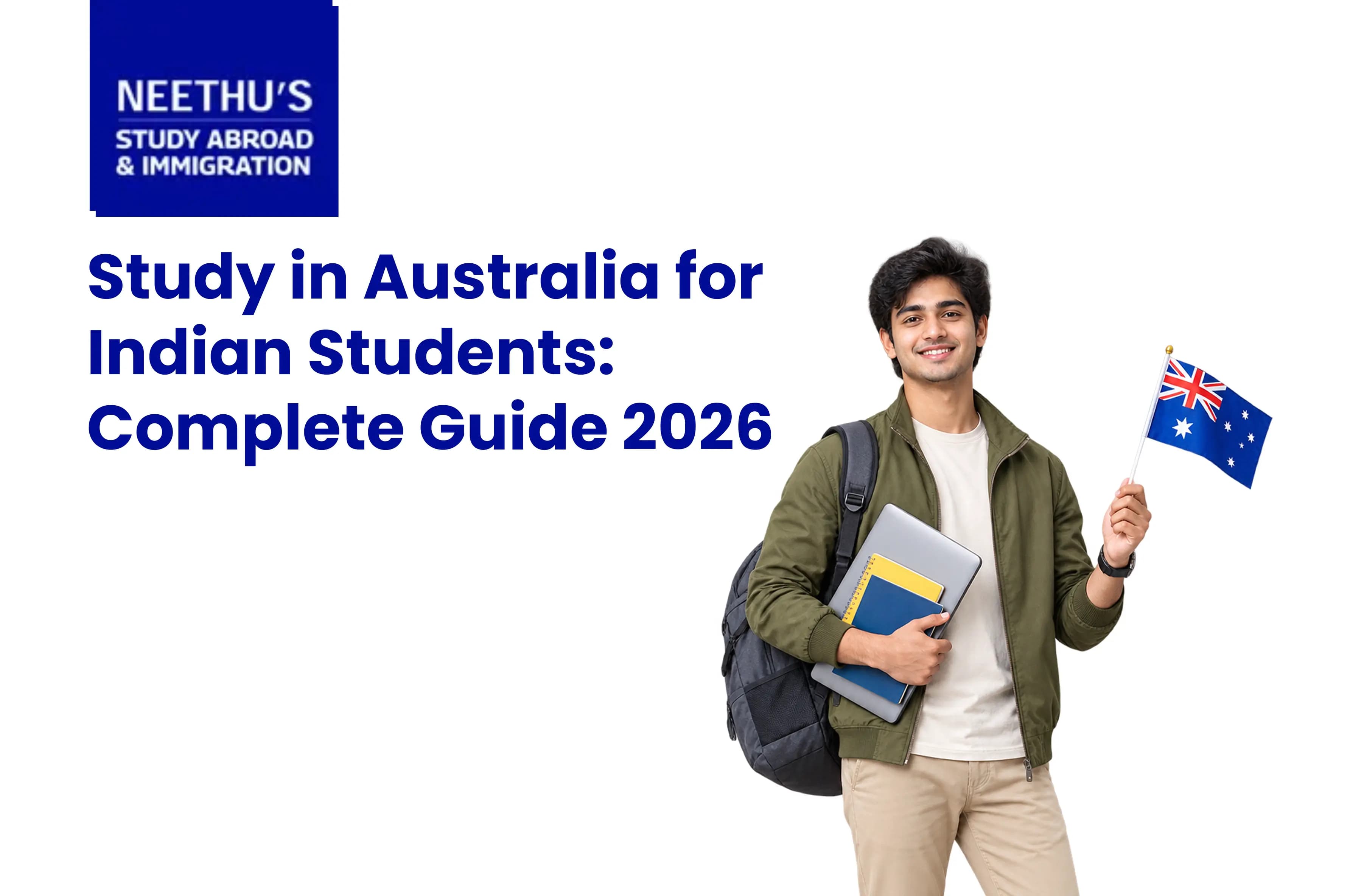
Australia remains a popular destination for Indian students looking for internationally recognized qualifications, diverse courses, modern learning environments, and valuable global exposure. Universities and education providers across the country offer programs ranging from undergraduate degrees to postgraduate qualifications, research programs, and vocational courses.
Choosing to study in Australia involves more than selecting a course and university. Students need to consider academic eligibility, tuition fees, accommodation, living expenses, scholarships, health insurance, visa requirements, and future career plans. Understanding the cost of studying in Australia before applying can help students create a realistic budget, compare their options, and avoid unexpected financial pressure.
For Indian students, Australia offers access to a multicultural academic environment where they can interact with people from different countries and backgrounds. However, successful planning requires careful research and preparation. This guide covers the major aspects Indian students should know before beginning their Australian education journey in 2026.
Why Study in Australia?
Australia has a well-established higher education system with universities and institutions offering programs across numerous disciplines. Australian qualifications are widely recognized, making the country attractive to students seeking to build international academic and professional experience.
Another advantage is the variety of study options. Students can choose programs in information technology, engineering, business, healthcare, accounting, education, hospitality, science, design, and many other fields.
Australia's multicultural environment can also make the transition easier for international students. Cities such as Sydney, Melbourne, Brisbane, Perth, Adelaide, and Canberra have diverse communities and established international student populations.
The country's education system also places emphasis on practical learning, independent thinking, research, teamwork, and problem-solving. These skills can be valuable when graduates enter competitive professional environments.
Popular Courses for Indian Students
The best course depends on your academic background, interests, career plans, and eligibility. Some areas commonly considered by international students include:
Information Technology
IT programs cover areas such as software development, cybersecurity, artificial intelligence, cloud computing, data analytics, and information systems.
Engineering
Students can choose from civil, mechanical, electrical, electronics, environmental, mining, and other engineering specializations.
Business and Management
Business schools offer programs in accounting, finance, marketing, international business, entrepreneurship, human resources, and management.
Healthcare
Popular areas include nursing, public health, biomedical sciences, and other healthcare-related disciplines. Some regulated professions have additional professional registration requirements.
Hospitality and Tourism
Australia's tourism and hospitality industries provide a strong environment for students interested in hotel management, tourism, events, and related programs.
Education
Students can explore early childhood education, teaching, and other education-related programs. Professional registration requirements may apply to certain teaching careers.
Eligibility Requirements
Admission criteria vary between universities, courses, and qualification levels. Students should check the requirements of each institution before applying.
For undergraduate programs, universities generally assess students based on their Class 12 or equivalent qualifications. Some competitive courses may require particular subjects or higher academic scores.
For postgraduate programs, applicants usually need a relevant bachelor's degree. Certain courses may also ask for professional experience, portfolios, prerequisite subjects, or other evidence.
English-language proficiency may also be required. Universities and education providers can have different requirements regarding accepted tests and minimum scores.
Students should therefore avoid assuming that meeting the requirement for one university automatically means they qualify for another.
Tuition Fees in Australia
Tuition is one of the largest expenses students need to plan for.
The actual amount depends on the university, course, qualification level, and specialization. As a broad planning estimate, international students may encounter annual tuition costs ranging from approximately AUD 20,000 to AUD 50,000 (₹13.60 lakh to ₹34.01 lakh) or more, depending on the program.
For example:
|
Study Level |
Approx. Annual Tuition |
Approx. INR |
|
Undergraduate |
AUD 20,000–45,000 |
₹13.60–30.61 lakh |
|
Postgraduate |
AUD 22,000–50,000 |
₹14.96–34.01 lakh |
|
Specialized programs |
AUD 30,000–55,000+ |
₹20.41–37.41 lakh+ |
These are planning ranges rather than fixed prices. Medicine, dentistry, veterinary science, laboratory-based programs, and other specialized courses can cost significantly more.
Always check the university's current fee schedule before making financial decisions.
Cost of Living in Australia
Living expenses are another major consideration for Indian students.
Depending on the city and lifestyle, students may need to budget for approximately AUD 24,000–35,000 per year (₹16.32–23.81 lakh) for living expenses as a general planning range. Actual expenses can be higher or lower.
Typical costs include:
-
Accommodation
-
Groceries
-
Transportation
-
Electricity and other utilities
-
Mobile and internet services
-
Study materials
-
Personal expenses
-
Entertainment
Accommodation is usually one of the biggest monthly expenses. Students living in major city centers may pay more than those living farther from central areas.
Creating a monthly budget before travelling can make financial management easier.
Accommodation Options
Indian students can choose from several accommodation arrangements.
University residences: Some universities offer student accommodation on or near campus. Places may be limited, so applying early is advisable.
Shared housing: Sharing a rental property with other students can reduce individual accommodation costs.
Private rentals: Students who prefer greater independence can rent apartments or houses, either alone or with roommates.
Homestays: Living with a host family can provide a structured environment and opportunities to experience Australian culture.
Before signing an agreement, check rent, deposit requirements, utilities, transport access, contract duration, and cancellation conditions.
Scholarships for Indian Students
Scholarships can help reduce the financial burden of international education.
Australian universities may offer scholarships based on academic performance, while other funding opportunities can have specific eligibility requirements. Some awards provide partial tuition reductions, while others may offer more substantial financial assistance.
For example, a scholarship worth AUD 10,000 would be approximately ₹6.80 lakh at the indicative exchange rate used for this guide.
Competition can be strong, so students should research eligibility conditions and application deadlines carefully.
Do not assume that every scholarship covers living expenses. Read the terms to understand exactly what the award includes.
Student Visa for Australia
International students generally require an Australian student visa to undertake eligible studies.
Before applying, students normally need to complete the required admission process and obtain the relevant enrollment documentation from their education provider.
Visa applicants may need to provide information relating to:
-
Identity
-
Enrollment
-
Financial capacity
-
English-language requirements, where applicable
-
Health
-
Character
-
Overseas Student Health Cover
-
Other documents requested by immigration authorities
Visa requirements can change, so students should check the latest information from the Australian Department of Home Affairs before submitting an application.
Overseas Student Health Cover
Health insurance is an important part of planning for international education in Australia.
International students generally need Overseas Student Health Cover (OSHC) for the required period of their stay. The cost depends on the provider, duration, type of cover, and individual circumstances.
As a planning example, if insurance costs AUD 800, that would be approximately ₹54,415 at the indicative exchange rate used here.
Students should check exactly what their policy covers, including medical services, hospital treatment, prescriptions, and other applicable benefits.
Part-Time Work While Studying
International students may have permission to work in Australia subject to their visa conditions.
Part-time employment can help students gain workplace experience and contribute toward some personal expenses. However, students should not depend entirely on employment income to pay tuition or essential living costs.
Visa work conditions can change, so always check the current conditions attached to your visa before starting employment.
Students should also make sure employment does not interfere with attendance, assignments, examinations, or other academic responsibilities.
Intakes in Australia
Australian universities may offer multiple intakes, but availability varies by course and institution.
The major intake generally begins around the start of the academic year, while additional intakes may be available for selected programs.
Students should check:
-
Course availability
-
Application deadlines
-
Scholarship deadlines
-
English requirements
-
Document requirements
-
Visa timelines
-
Accommodation availability
Starting the process early gives you more flexibility if additional documents or test results are required.
Student Life in Australia
Life as an international student can involve more than classroom learning.
Australian universities offer clubs, societies, sports, cultural activities, career services, libraries, laboratories, and other student facilities. Joining campus activities can help international students make friends and become familiar with their new surroundings.
Indian students can also find Indian communities and cultural groups in many Australian cities. However, adapting to Australian academic expectations may take some time.
Students are generally expected to manage their schedules independently, participate in discussions, complete assignments, conduct research, and meet deadlines.
Career Opportunities After Graduation
Australian education can provide students with academic knowledge and exposure to an international working environment.
Internships, practical projects, networking activities, and industry-linked learning may help students develop professional skills during their studies.
After graduation, eligible students may have access to specific post-study visa pathways depending on their qualification and current immigration rules. Eligibility conditions can change, so students should research the latest official requirements rather than relying on older information.
Career opportunities will also depend on the student's qualification, experience, occupation, location, and professional skills.
How Much Money Should You Plan Before Going to Australia?
Students should consider the complete financial picture rather than focusing only on tuition.
For example, a student with annual tuition of AUD 30,000 (approximately ₹20.41 lakh) and estimated living expenses of AUD 25,000 (approximately ₹17.00 lakh) could have an initial annual education and living budget of around:
AUD 55,000 ≈ ₹37.41 lakh
This does not necessarily represent the final amount a student will spend. Additional expenses such as flights, visa-related costs, insurance, deposits, study materials, and personal purchases may need to be added.
The exchange rate used for these conversions is approximately 1 AUD = ₹68.02. Exchange rates fluctuate, so students should check the current rate when preparing their actual budget.
Choosing the Right Study Abroad Consultant
The Australian application process can involve several stages, and students may seek professional assistance when comparing universities, preparing applications, or organizing documentation.
If you are searching for the Best Study Abroad Consultants in Kerala, compare consultants based on their transparency, experience, university options, application support, and communication.
Avoid organizations that guarantee visas, permanent residency, jobs, or admission without considering your individual eligibility. Students should independently verify important information with universities and Australian government sources.
Step-by-Step Application Process
A simple application plan can help keep your preparation organized.
1. Select your course: Choose a program based on your interests, academic background, and career plans.
2. Research institutions: Compare universities, tuition fees, course content, location, and entry requirements.
3. Check eligibility: Review academic and English-language requirements.
4. Prepare documents: Organize transcripts, certificates, passport, English test results, and other required documents.
5. Submit applications: Apply to your selected institutions before the relevant deadlines.
6. Arrange finances: Plan tuition, accommodation, insurance, travel, and living expenses.
7. Accept your offer: Complete the required conditions and obtain your enrollment documentation.
8. Apply for the student visa: Follow the latest Australian immigration requirements.
9. Prepare for departure: Arrange accommodation, flights, banking, transport, and other essentials.
Final Thoughts
Australia can be an attractive destination for Indian students seeking internationally oriented education and diverse career-focused programs. However, studying overseas requires realistic financial planning and careful attention to admission and visa requirements.
When you study in Australia, look beyond tuition fees and consider accommodation, food, transportation, health insurance, visa-related expenses, and personal costs. A realistic budget can help prevent financial difficulties after arrival.
For students researching study in Australia for international students, the most important step is to begin early. Compare courses carefully, check current eligibility requirements, research scholarships, understand visa conditions, and calculate your expenses in both Australian Dollars and Indian Rupees.
With proper preparation and realistic expectations, your Australian education journey can be planned with greater confidence.
Currency note: INR figures above are approximate conversions using 1 AUD ≈ ₹68.02. Actual exchange rates fluctuate, and university fees and living costs vary by institution, city, course, and lifestyle.
FAQs
1. Is Australia a good destination for Indian students?
Yes. Australia offers a wide range of courses, internationally recognized qualifications, multicultural campuses, and opportunities for students to gain academic and professional experience.
2. What courses are popular among Indian students in Australia?
Information technology, engineering, business, healthcare, education, hospitality, data science, and other specialized fields are commonly considered by international students.
3. Do Indian students need IELTS to study in Australia?
English-language requirements depend on the institution, course, and student's circumstances. Universities may accept different approved English tests, so applicants should check the specific requirements of their chosen program.
4. How much does it cost to study in Australia?
The total expense varies depending on the course, institution, city, accommodation, and lifestyle. Students should calculate tuition and living expenses separately before preparing their budget.
5. Can Indian students work while studying in Australia?
International students may have work rights subject to their visa conditions. Students should check the latest conditions through Australia's official immigration information before starting employment.
6. Are scholarships available for Indian students?
Yes. Universities and other organizations offer various scholarships, although eligibility, funding amounts, and application deadlines differ.
7. What documents are required to apply to Australian universities?
Requirements vary by course and institution but may include academic transcripts, passport, English-language test results, statements or supporting documents, and other materials specified by the university.
8. How early should I apply to study in Australia?
Starting several months before your intended intake is advisable. This gives you time to shortlist courses, take required tests, submit applications, arrange finances, and complete visa procedures.
9. Where do most Indian students live in Australia?
Indian students study across many Australian cities, including Sydney, Melbourne, Brisbane, Perth, Adelaide, and others. The best location depends on the university, course, budget, and personal preferences.
10. Can I stay in Australia after completing my studies?
Some graduates may have options to remain in Australia under applicable post-study or other visa pathways. Eligibility depends on current immigration rules, qualification, occupation, and individual circumstances, so students should check the latest official requirements.




























































































































































_03-12-2025_01-17-26%20PM.webp&w=3840&q=75)
_02-12-2025_03-07-49%20PM.webp&w=3840&q=75)

_27-11-2025_04-06-24%20PM.webp&w=3840&q=75)
_25-11-2025_04-38-18%20PM.webp&w=3840&q=75)
_24-11-2025_03-20-26%20PM.webp&w=3840&q=75)
_22-11-2025_12-44-47%20PM.webp&w=3840&q=75)
_21-11-2025_04-17-47%20PM.webp&w=3840&q=75)
_20-11-2025_03-55-26%20PM.webp&w=3840&q=75)
_18-11-2025_04-00-40%20PM.webp&w=3840&q=75)
_15-11-2025_10-48-43%20AM.webp&w=3840&q=75)
%20(1)_14-11-2025_03-52-25%20PM.webp&w=3840&q=75)
_13-11-2025_03-02-38%20PM.webp&w=3840&q=75)
_08-11-2025_04-15-36%20PM.webp&w=3840&q=75)
_05-11-2025_04-01-50%20PM.webp&w=3840&q=75)
_05-11-2025_03-46-26%20PM.webp&w=3840&q=75)
_03-11-2025_03-31-09%20PM.webp&w=3840&q=75)
_04-11-2025_.webp&w=3840&q=75)
_04-11-2025_.webp&w=3840&q=75)
_28-10-2025_04-09-08%20PM.webp&w=3840&q=75)
_24-10-2025_05-10-31%20PM.webp&w=3840&q=75)
_24-10-2025_04-55-51%20PM.webp&w=3840&q=75)
_22-10-2025_04-40-20%20PM.webp&w=3840&q=75)
%20(1)_21-10-2025_03-05-46%20PM.webp&w=3840&q=75)
_21-10-2025_02-43-15%20PM.webp&w=3840&q=75)
_17-10-2025_05-08-52%20PM.webp&w=3840&q=75)
_17-10-2025_04-54-54%20PM.webp&w=3840&q=75)
_15-10-2025_03-46-47%20PM.webp&w=3840&q=75)
_14-10-2025_03-42-40%20PM.webp&w=3840&q=75)
_14-10-2025_03-29-48%20PM.webp&w=3840&q=75)
_13-10-2025_03-48-51%20PM.webp&w=3840&q=75)
_11-10-2025_04-28-42%20PM.webp&w=3840&q=75)
%20(1)_09-10-2025_04-12-08%20PM.webp&w=3840&q=75)

_07-10-2025_02-55-25%20PM.webp&w=3840&q=75)
_07-10-2025_02-39-51%20PM.webp&w=3840&q=75)
_06-10-2025_03-42-37%20PM.webp&w=3840&q=75)
_03-10-2025_04-42-59%20PM.webp&w=3840&q=75)
_01-10-2025_11-12-12%20AM.webp&w=3840&q=75)
%20(1)_29-09-2025_02-54-12%20PM.webp&w=3840&q=75)

_26-09-2025_12-14-18%20PM.webp&w=3840&q=75)
_24-09-2025_04-44-26%20PM.webp&w=3840&q=75)
_23-09-2025_04-14-36%20PM.webp&w=3840&q=75)
_22-09-2025_04-08-09%20PM.webp&w=3840&q=75)
_20-09-2025_03-26-03%20PM.webp&w=3840&q=75)
_17-09-2025_04-06-42%20PM.webp&w=3840&q=75)
_15-09-2025_04-43-43%20PM.webp&w=3840&q=75)
_13-09-2025_12-17-49%20PM.webp&w=3840&q=75)
_12-09-2025_04-31-36%20PM.webp&w=3840&q=75)
_12-09-2025_04-17-03%20PM.webp&w=3840&q=75)
_10-09-2025_03-59-59%20PM.webp&w=3840&q=75)
_09-09-2025_04-11-16%20PM.webp&w=3840&q=75)
_09-09-2025_03-53-52%20PM.webp&w=3840&q=75)


















































_12-06-2025_03-40-35%20PM.webp&w=3840&q=75)