Preparing your study abroad journey…
Preparing your study abroad journey…
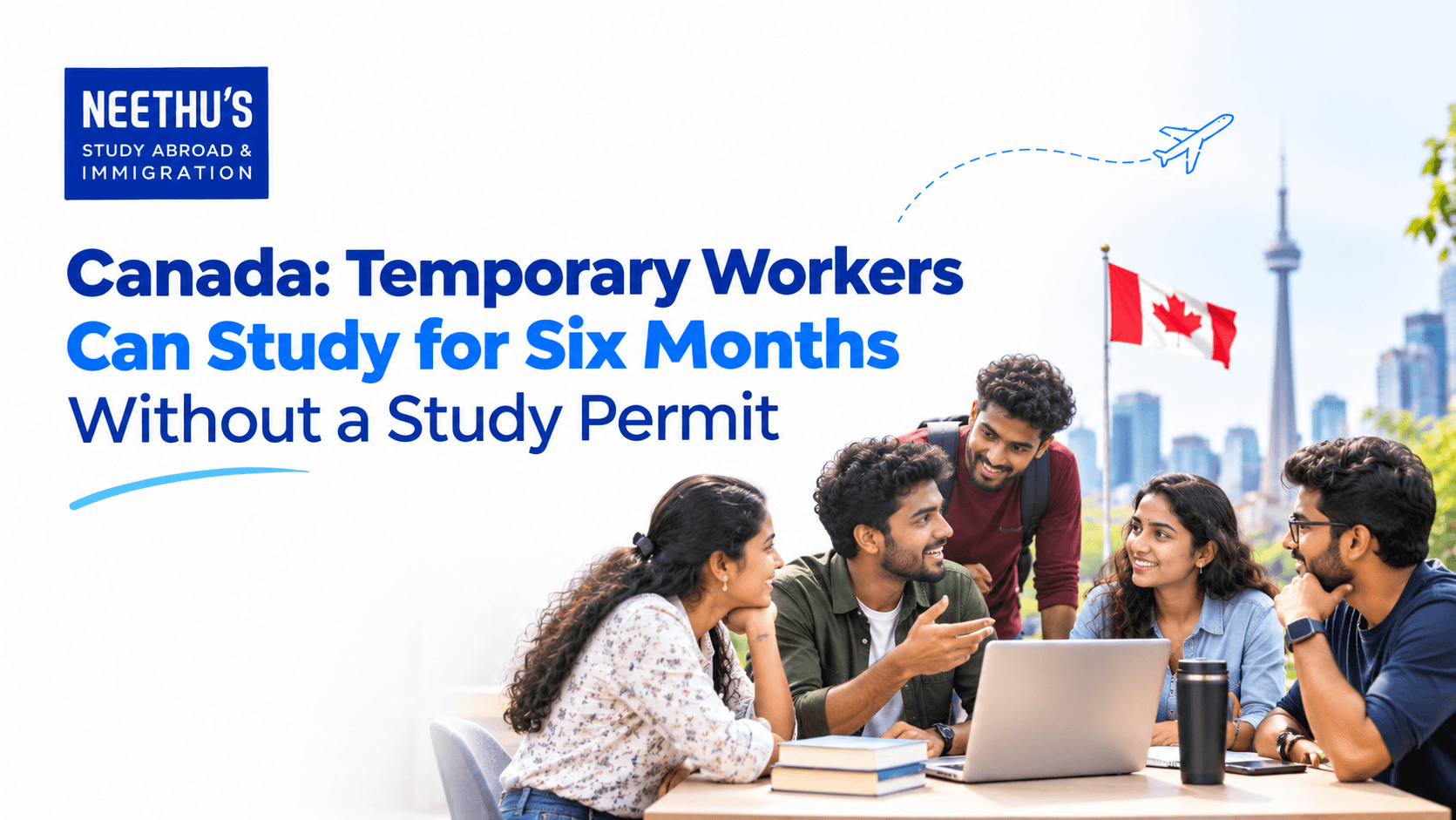
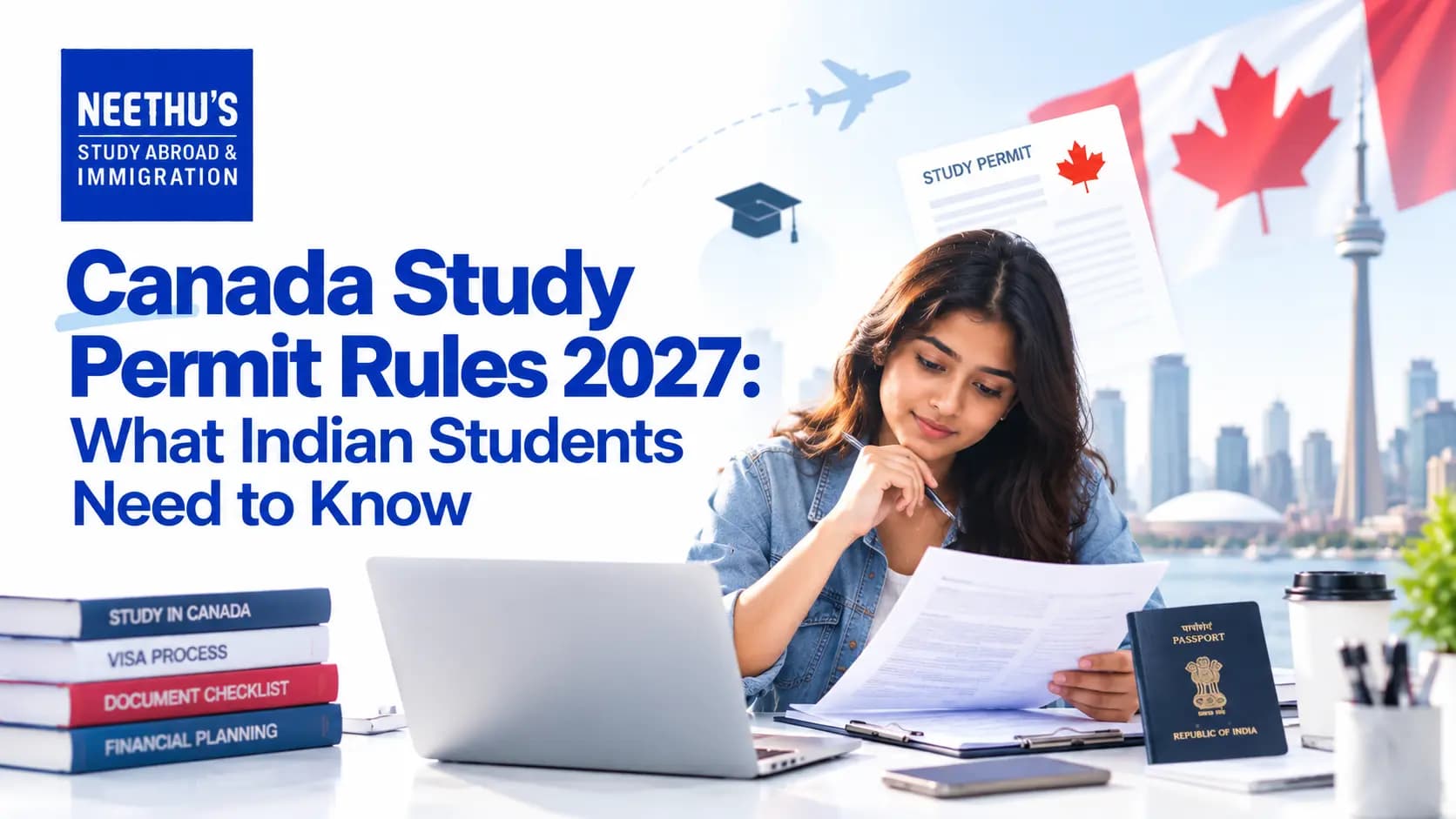
Canada has introduced an important immigration policy that gives eligible temporary foreign workers more flexibility to pursue short-term education while continuing their employment. Under this new measure, certain foreign nationals holding valid work permits can enrol in courses lasting up to six months without applying for a separate study permit.
The policy, which came into effect on September 4, 2026, is intended to help workers improve their professional qualifications, develop new skills and explore opportunities in different industries. It is particularly relevant to individuals who want to obtain additional certifications, complete professional training or improve their chances of career advancement.
For people already working in Canada, this development creates additional opportunities to balance employment and education. This article explains the new rules, eligibility conditions, restrictions, and important considerations for 2027.
Immigration, Refugees and Citizenship Canada (IRCC) introduced a temporary public policy allowing eligible foreign workers to study for six months or less without obtaining a separate study permit.
Previously, foreign nationals generally needed to meet specific study permit requirements depending on their circumstances and the duration of their courses. The new measure provides additional flexibility to workers who already have legal employment authorisation in Canada.
The Canada study permit exemption 2027 allows qualifying workers to pursue short-term educational programmes while maintaining their existing work status. It is designed to support professional development and help address labour shortages in important sectors.
The policy became effective on September 4, 2026, and is scheduled to remain available until December 31, 2027, unless the Canadian government revokes or changes it earlier.
Not every temporary resident in Canada automatically qualifies for this exemption. Applicants must satisfy the conditions established under the temporary public policy.
The main eligibility requirements include:
Valid work permit: Applicants must hold a valid Canadian work permit.
Short-term course: The selected educational programme must last six months or less.
Valid immigration status: The worker must continue to hold a valid work permit throughout the period of study.
Compliance with immigration rules: Applicants must satisfy other applicable immigration and admissibility requirements.
The duration of authorised study cannot exceed the validity of the existing work permit. For example, if a person's work permit has only four months remaining, they cannot use this exemption to complete a six-month programme.
Importantly, applying for a work permit extension does not automatically allow someone with an expired permit to continue studying under this policy.
Under the new arrangement, eligible foreign workers can enrol in educational programmes lasting a maximum of six months.
The duration is also linked to the validity of their work permit. Therefore, they can study for six months or until their work permit expires, whichever happens first.
Another important feature is the flexibility regarding study schedules. Eligible individuals can pursue either full-time or part-time education under this temporary measure.
For example, a worker employed in the healthcare industry might enrol in a short professional certification programme to improve their technical knowledge. Similarly, an IT professional could complete a specialised training course while continuing their existing employment.
However, students should ensure that their selected programme meets the duration requirements before registering.
The policy provides an opportunity for eligible workers to pursue short-term education that supports their professional development.
Although the measure does not restrict eligible applicants to a particular industry, the following course categories may be useful for career advancement:
Healthcare workers can explore short professional courses, relevant certifications and additional training that may help them develop specialised skills.
IT professionals can consider training in cybersecurity, cloud computing, software development, data analytics and other technology-related areas.
Workers interested in leadership or administrative positions may benefit from short courses in project management, business operations and financial management.
Technical professionals can explore industry-specific training programmes that improve their practical knowledge and professional capabilities.
Short certification programmes can help workers strengthen their resumes and demonstrate additional skills to potential employers.
Course admission requirements, professional recognition and licensing conditions may differ between institutions and industries.
Yes. One of the main objectives of this policy is to allow eligible temporary workers to develop their qualifications without leaving their employment.
The measure provides flexibility regarding study-related conditions attached to work permits. However, it does not automatically change the terms of an individual's employment contract.
For instance, a worker attending classes during weekdays may need to discuss a revised working schedule with their employer. Any changes to employment arrangements should be agreed upon with the employer.
Workers should also remember that their existing immigration status must remain valid throughout the authorised study period.
Yes. The temporary policy also applies to eligible foreign workers living and working in Quebec.
Under the arrangement introduced on September 4, 2026, qualifying workers do not need a separate Quebec Acceptance Certificate (CAQ) for studies covered by this exemption.
This provides additional flexibility for temporary workers who want to pursue short-term training in Quebec.
However, applicants must still satisfy the eligibility requirements of the federal policy and any other applicable conditions.
Although the new policy offers several advantages, it is important to understand its limitations before enrolling in a course.
Some important restrictions include:
The educational programme must not exceed six months.
The applicant must hold a valid work permit.
The study period cannot continue beyond the expiry of the work permit.
The policy does not automatically provide permission to work in a different occupation or for another employer.
Courses requiring a longer period of study are not covered by this exemption.
Students must continue meeting all applicable immigration requirements.
Another important consideration concerns Canadian work experience. If an eligible worker studies full-time under this policy, the work experience gained during that study period will not count towards Canadian Experience Class eligibility or Canadian work experience points under the Express Entry Comprehensive Ranking System.
Therefore, individuals planning to apply for permanent residence should understand how full-time studies could affect their immigration plans.
Workers planning to pursue programmes lasting longer than six months cannot use this temporary exemption to complete the entire course.
They must apply for the appropriate study permit and satisfy the regular immigration requirements.
This is particularly important for individuals interested in undergraduate degrees, postgraduate programmes, diplomas or other long-term qualifications.
The Canada work permit holders study without study permit provision is intended specifically for short-term learning rather than replacing Canada's regular international student immigration system.
Applicants should also check whether their chosen institution is a designated learning institution (DLI) and whether the programme meets the applicable study permit requirements.
Completing a short-term course under this policy does not automatically provide permanent residence or create a new immigration pathway.
However, additional qualifications and professional training may improve a worker's employment opportunities. Developing skills in sectors experiencing labour shortages could also help individuals explore existing immigration programmes, provided they meet the relevant eligibility criteria.
Workers interested in permanent residence should carefully review programmes such as the Canadian Experience Class and applicable Provincial Nominee Program streams.
They should also understand that studying full-time under this temporary policy has specific implications for how work experience is counted under Express Entry.
The new measure offers an opportunity for eligible foreign workers to invest in their professional development without immediately applying for a separate study permit.
Before enrolling, workers should follow these steps:
Check the validity and expiry date of their current work permit.
Identify a suitable course lasting six months or less.
Contact the educational institution to confirm admission requirements.
Provide a copy of the valid work permit if requested as proof of eligibility.
Discuss any necessary changes to working hours with the employer.
Review the latest IRCC guidelines before beginning the programme.
The Canada study permit exemption 2027 is a temporary measure, so applicants should not assume that it will remain available beyond December 31, 2027.
Individuals planning to study in Canada through longer academic programmes should follow the standard study permit application process instead of relying on this exemption.
Canada's decision to allow eligible temporary foreign workers to study for up to six months without a separate study permit is an important development for people already employed in the country. The policy provides an opportunity to gain additional qualifications, improve professional skills and explore career advancement while maintaining existing employment.
However, eligibility depends on holding a valid work permit, choosing a course within the permitted duration, and following the applicable immigration conditions. Workers should also consider how full-time study may affect their future permanent residence plans.
For Indian students and professionals exploring Canadian education options, understanding the difference between short-term study exemptions and regular study permits is essential. The Best study abroad consultants in Kerala can help prospective students understand available education pathways, admission requirements, and documentation.
With the right planning and accurate information, eligible temporary workers can use this opportunity to strengthen their professional profiles and make better use of their time in Canada.
1. Can temporary foreign workers study in Canada without a study permit in 2027?
Yes. Under Canada's temporary public policy, eligible foreign workers holding valid work permits can study in courses lasting up to six months without obtaining a separate study permit. The measure is scheduled to remain in effect until December 31, 2027.
2. When did Canada's new study permit exemption policy come into effect?
The policy came into effect on September 4, 2026. It allows eligible temporary foreign workers to pursue short-term education while maintaining their existing employment authorisation.
3. Who is eligible for Canada's six-month study permit exemption?
Foreign nationals holding valid Canadian work permits may qualify. They must meet the policy conditions, and their authorised study period cannot extend beyond their work permit's validity.
4. How long can work permit holders study without a study permit in Canada?
Eligible workers can study for a maximum of six months. However, if their work permit expires earlier, their study eligibility under this policy ends with the permit's validity.
5. Can temporary foreign workers study full-time in Canada without a study permit?
Yes. Eligible workers can pursue full-time or part-time courses under the temporary measure, provided they satisfy its conditions and the programme does not exceed six months.
6. Can workers continue their employment while studying in Canada?
Yes. The policy allows eligible foreign workers to continue working while pursuing short-term education. However, they must follow their existing employment conditions and make any necessary working-hour arrangements with their employers.
7. Does Canada's study permit exemption apply to workers living in Quebec?
Yes. Eligible temporary foreign workers in Quebec can also benefit from the measure. They do not need a separate Quebec Acceptance Certificate (CAQ) for studies covered by this exemption.
8. Can studying under this policy help temporary workers obtain Canadian permanent residence?
The exemption does not directly provide permanent residence. Additionally, full-time study under this policy does not count towards Canadian Experience Class work experience requirements or Canadian work experience points under the Express Entry Comprehensive Ranking System.
9. What happens if a temporary worker wants to study a course lasting more than six months?
They must apply for the appropriate study permit and meet the regular immigration requirements. The temporary exemption only covers eligible short-term programmes lasting six months or less.
10. When will Canada's temporary study permit exemption for foreign workers expire?
The current policy is scheduled to expire on December 31, 2027, unless the Canadian government extends, changes or cancels it earlier. Workers should check the latest IRCC announcements before enrolling in a course.