Preparing your study abroad journey…
Preparing your study abroad journey…
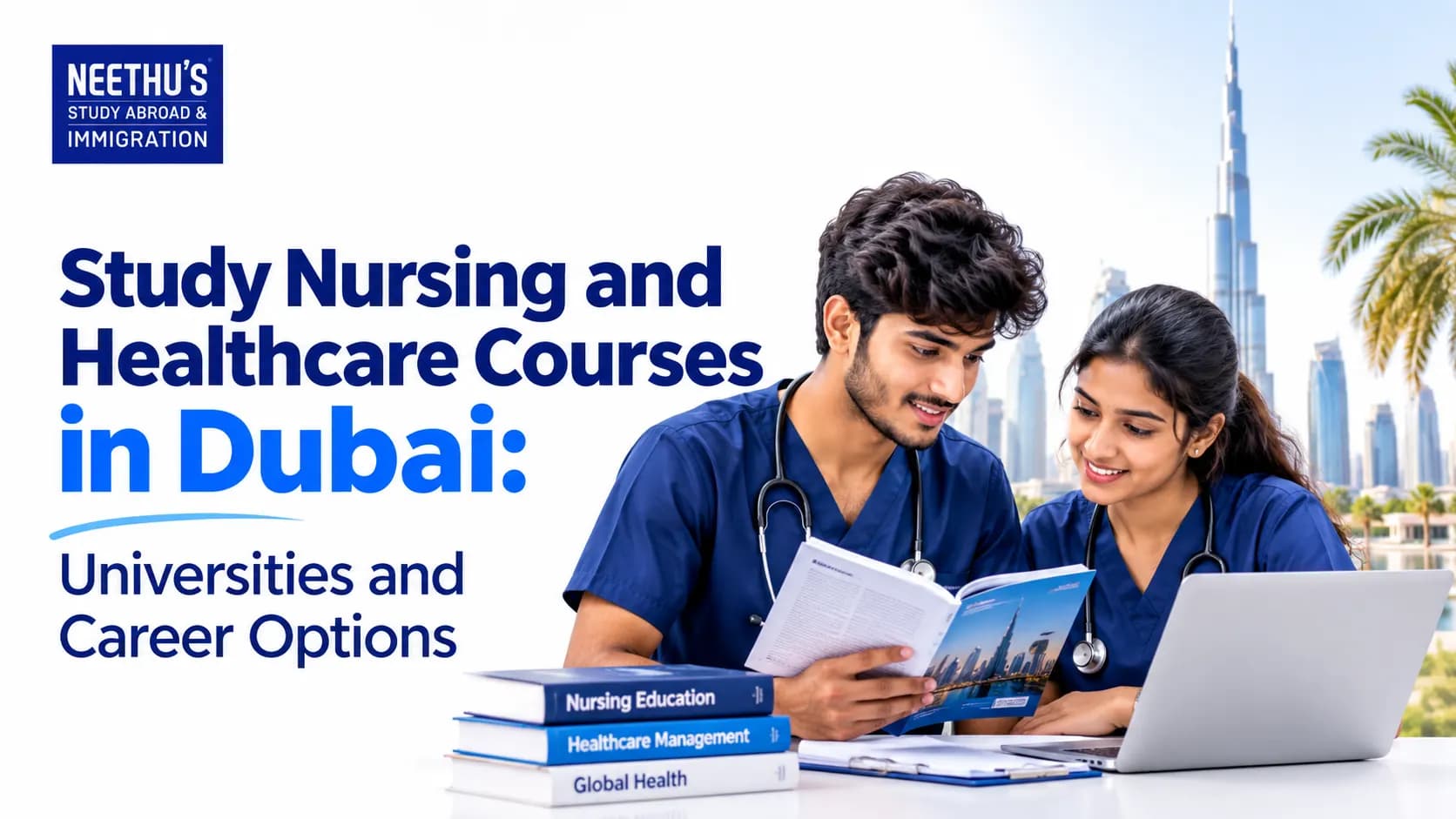
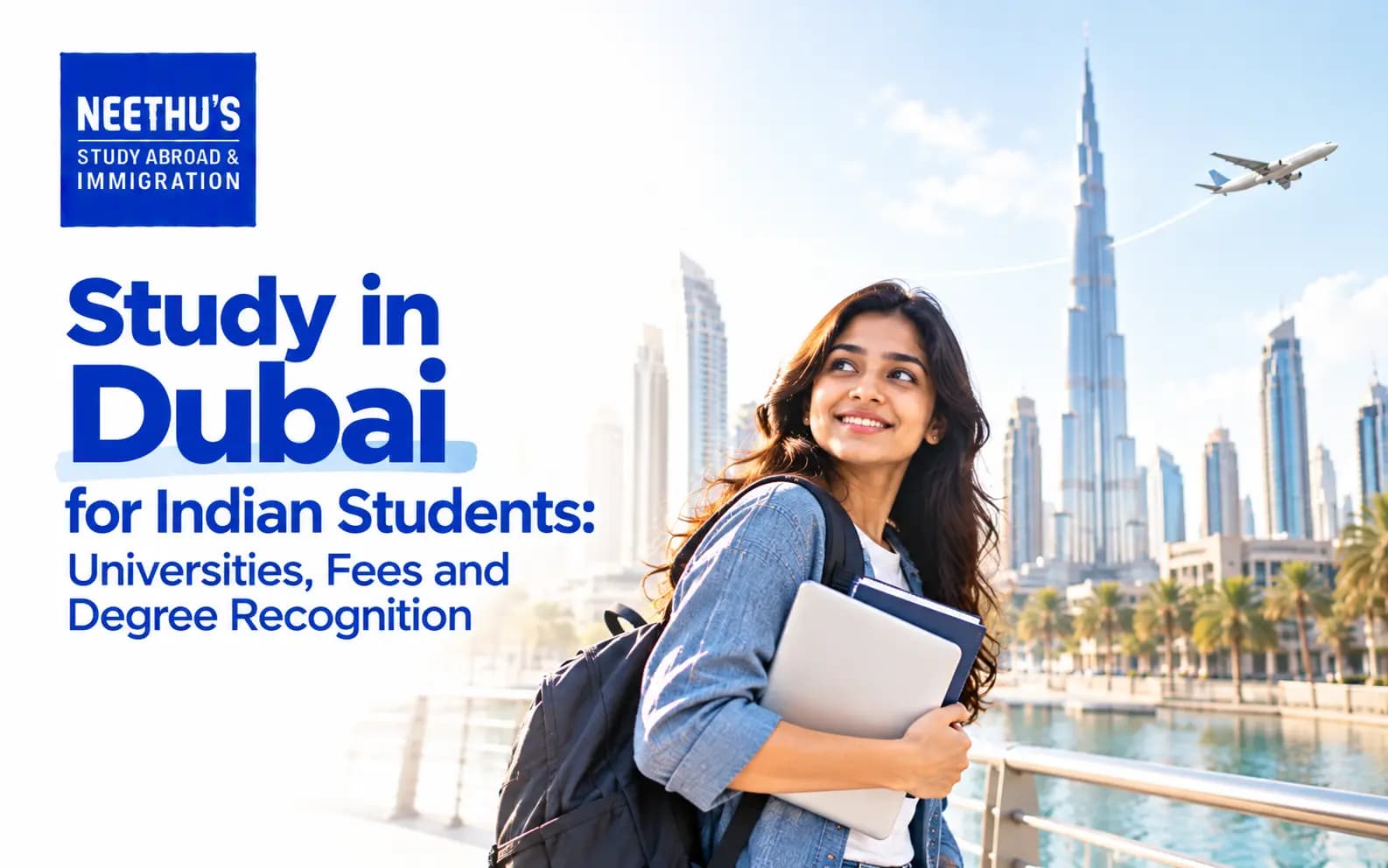
Dubai has become an attractive destination for Indian students looking to combine international education with promising career opportunities. Its growing economy, modern infrastructure, multicultural workforce, and strong presence of international companies make it an interesting place to begin a professional journey. Students graduating from universities in Dubai can explore employment options across several industries, depending on their qualifications, skills, and experience.
The city is home to businesses operating in finance, technology, tourism, healthcare, construction, logistics, retail, and digital marketing. This diversity allows graduates from different academic backgrounds to consider a wide range of career paths. However, securing a suitable position requires more than an international degree. Understanding industry expectations, developing practical skills, and becoming familiar with employment regulations are equally important.
For Indian students planning to Study in Dubai, exploring the employment landscape before choosing a university or programme can help them make better academic and career decisions.
Dubai offers an international business environment where professionals from different countries work together. Its location, business-friendly policies, and expanding commercial sectors have contributed to its position as an important employment destination.
Some reasons graduates consider building their careers in Dubai include:
International work exposure: Graduates can gain experience working with multinational companies and culturally diverse teams.
Growing industries: Technology, finance, tourism, healthcare, and logistics provide different employment opportunities.
Professional networking: Industry events, business exhibitions, conferences, and professional communities help graduates connect with employers.
Modern business environment: Companies increasingly use advanced technologies and digital solutions across their operations.
Career development: Employees may access professional training, specialised roles, and opportunities to progress into senior positions.
Dubai's employment market is competitive, so graduates should focus on developing skills that match their chosen industry's requirements.
The availability of employment depends on economic conditions, business demand, and individual qualifications. However, several industries are worth exploring after graduation.
1. Information Technology and Software Development
Technology is an important part of Dubai's economic development. Companies require professionals who can manage digital platforms, software applications, cybersecurity systems, and business technology.
Popular job roles include:
Software Developer
Data Analyst
Cybersecurity Specialist
IT Support Engineer
Cloud Computing Associate
Digital Transformation Analyst
Graduates with knowledge of programming, data management, artificial intelligence, and cloud technologies may find opportunities in this sector.
2. Banking and Financial Services
Dubai has a well-established financial services industry with international banks, investment companies, insurance providers, and financial technology businesses.
Graduates in finance, accounting, economics, and business administration can explore positions such as:
Financial Analyst
Accountant
Banking Associate
Audit Assistant
Risk Management Analyst
Investment Operations Executive
Professional certifications and practical financial knowledge can improve employment prospects.
3. Tourism and Hospitality
Tourism is another important contributor to Dubai's economy. Hotels, restaurants, airlines, travel agencies, and event management companies recruit professionals throughout the year.
Potential career options include:
Hotel Operations Executive
Guest Relations Officer
Travel Consultant
Event Coordinator
Hospitality Manager
Customer Experience Executive
Students with hospitality qualifications and strong communication skills may find this industry suitable.
4. Healthcare and Life Sciences
Dubai's healthcare sector includes hospitals, medical centres, diagnostic laboratories, pharmaceutical businesses, and healthcare management organisations.
Graduates may explore opportunities in healthcare administration, medical laboratory operations, pharmaceutical management, and public health. However, clinical positions such as doctors, nurses, and pharmacists require the relevant professional licensing and approval before practising.
5. Marketing and Digital Media
The growth of online businesses and digital advertising has increased the importance of marketing professionals. Companies need employees who can manage their online presence, attract customers, and improve brand visibility.
Common positions include:
SEO Executive
Social Media Specialist
Digital Marketing Analyst
Content Strategist
Performance Marketing Executive
Brand Coordinator
Knowledge of SEO, Google Analytics, paid advertising, content marketing, and social media platforms can be valuable in this field.
6. Construction, Engineering and Logistics
Dubai's infrastructure development, property market, transport networks, and international trade activities create demand for professionals in engineering and logistics.
Graduates can consider roles such as civil engineer, project coordinator, procurement executive, supply chain analyst, and logistics operations specialist.
An international qualification can strengthen a graduate's academic profile, but employers also evaluate practical abilities and workplace readiness.
Some important skills include:
Communication: Clear verbal and written communication is essential when working with international clients and colleagues.
Technical knowledge: Industry-specific software, digital tools, and professional expertise can improve employability.
Problem-solving: Employers value candidates who can analyse challenges and suggest practical solutions.
Teamwork: Working effectively with people from different cultural backgrounds is important in Dubai's professional environment.
Adaptability: Graduates should be comfortable learning new processes and adjusting to changing workplace requirements.
Internship experience: Practical exposure helps students understand industry expectations and develop professional confidence.
Students should use their university years to build these skills through internships, academic projects, workshops, and industry interactions.
Finding a suitable position requires preparation and a consistent job-search strategy. Graduates should begin exploring employment opportunities before completing their final semester.
1. Prepare a Professional CV
Create a well-structured CV highlighting educational qualifications, internships, technical abilities, projects, certifications, and relevant achievements. Keep the information accurate and tailor the document to each job application.
2. Use Online Job Portals
Job seekers can explore vacancies through platforms such as LinkedIn, Bayt, GulfTalent, Indeed UAE, and Naukrigulf. Regularly checking company career pages can also help identify suitable openings.
3. Build a Professional Network
Connect with alumni, recruiters, professors, industry professionals, and former internship supervisors. Attending career fairs and professional events can help graduates discover opportunities that may not be widely advertised.
4. Gain Internship Experience
Internships provide exposure to workplace responsibilities and allow students to understand how businesses operate. Relevant experience can also make a graduate's application more competitive.
5. Prepare for Interviews
Research the employer, understand the job description, and practise answering common interview questions. Candidates should be prepared to explain their academic projects, practical experience, and career goals.
Understanding UAE immigration and employment rules is essential before accepting a job. Graduates must have the appropriate legal permission to work in Dubai.
In a standard private-sector employment arrangement, the employer generally applies for the required work permit and completes the employment residence visa formalities.
Eligible graduates may also explore the UAE jobseeker visit visa, which allows qualified individuals to enter the country for 60, 90, or 120 days to search for employment without a sponsor. However, eligibility conditions apply, and this visa does not itself authorise employment.
A visit or tourist visa should never be treated as permission to start working. Candidates must obtain the appropriate work authorisation before beginning employment.
Students should verify the latest requirements through official UAE government and immigration websites before making travel or employment decisions.
Salary levels in Dubai vary considerably depending on the industry, job position, employer, academic qualification, and previous experience. Fresh graduates may initially enter junior or trainee positions before progressing into specialised roles.
Technology, finance, engineering, and certain professional services may offer attractive compensation packages for candidates with relevant expertise. Hospitality, administration, retail, and customer service roles also provide entry-level opportunities.
When evaluating an employment offer, graduates should consider more than the monthly salary. Accommodation, transportation, medical insurance, annual leave, working hours, and other benefits can influence the overall value of a job.
Career progression often depends on performance, professional development, practical experience, and the ability to adapt to industry changes.
Students should consider employment prospects while selecting their university and academic programme. Researching industry demand and identifying the skills required for specific positions can help them choose a suitable specialisation.
Those exploring Dubai graduate career opportunities should also focus on building a strong professional profile through internships, certifications, networking, and practical assignments.
Selecting an institution with recognised qualifications, career counselling, industry connections, and internship support can make the transition from education to employment easier.
Students looking for the Best study abroad consultants in kerala should choose experienced professionals who provide transparent information about university selection, course recognition, admission requirements, and career-related considerations.
Dubai offers Indian graduates several professional pathways across technology, finance, healthcare, tourism, engineering, logistics, and digital marketing. Its international business environment and diverse industries make it an appealing destination for students who want to gain global exposure and develop their careers.
However, securing suitable employment requires relevant qualifications, practical experience, communication skills, and an understanding of local employment regulations. Students planning to Study in Dubai should evaluate universities based on academic quality as well as career support and industry connections.
By researching Jobs after studying in Dubai and understanding the available Dubai graduate career opportunities, Indian students can make informed decisions about their education and professional future. With proper preparation and realistic expectations, graduates can work towards building a rewarding career in the UAE.
1. Can Indian students get jobs in Dubai after graduation?
Yes. Indian students can apply for jobs in Dubai after completing their degrees. Opportunities are available in sectors such as information technology, finance, healthcare, engineering, tourism, hospitality, and digital marketing. Employment depends on qualifications, skills, experience, and employer requirements.
2. Which industries offer the best career opportunities for graduates in Dubai?
Some of the leading employment sectors include information technology, banking and finance, healthcare, construction, logistics, tourism, hospitality, and digital marketing. The demand for professionals varies depending on industry growth and business requirements.
3. What are the popular jobs after studying in Dubai?
Popular entry-level positions include software developer, financial analyst, accountant, digital marketing executive, HR assistant, business development executive, hotel operations associate, and logistics coordinator.
4. Can Indian graduates stay in Dubai after completing their studies?
Yes. Eligible graduates can explore suitable UAE visa options to remain in the country after graduation. They must meet the relevant immigration requirements and obtain the appropriate permission to stay.
5. Is work experience necessary to get a job in Dubai after graduation?
Work experience is not compulsory for every position. Fresh graduates can apply for internships, trainee programmes, and entry-level vacancies. However, practical experience and industry-specific skills can improve their employment prospects.
6. What is the average salary for fresh graduates in Dubai?
Salary expectations depend on the industry, job role, employer, and candidate's qualifications. Entry-level salaries vary considerably, so graduates should research current vacancies and compare the complete employment benefits before accepting an offer.
7. Which skills are important for getting a job in Dubai?
Communication, technical expertise, problem-solving, teamwork, adaptability, and professional networking are valuable skills. Knowledge of relevant industry software and practical experience can also help candidates stand out.
8. Can Indian students work part-time while studying in Dubai?
Yes, international students may be eligible for part-time employment or internships, provided they obtain the necessary permissions and comply with applicable UAE employment regulations and university requirements.
9. Do Dubai universities provide placement assistance to international students?
Many universities offer career support services, internship opportunities, career fairs, CV guidance, and employer networking events. However, placement assistance does not guarantee employment, and students must independently meet employer requirements.
10. Is studying in Dubai worth it for Indian students planning an international career?
Studying in Dubai can be beneficial for Indian students interested in international exposure, industry connections, and professional development. However, they should evaluate university recognition, tuition fees, course quality, internship opportunities, and employment prospects before selecting a programme.