Preparing your study abroad journey…
Preparing your study abroad journey…
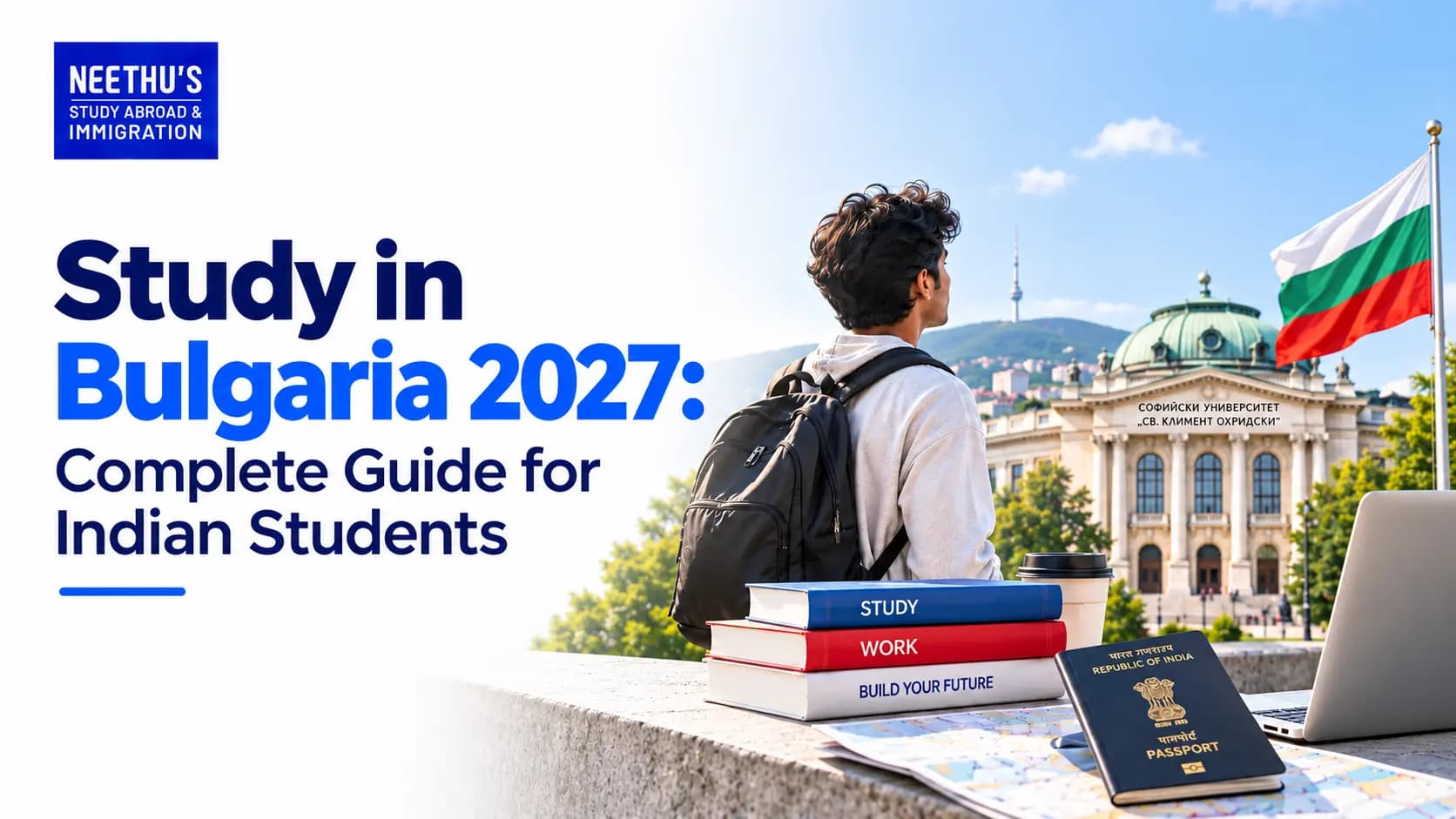
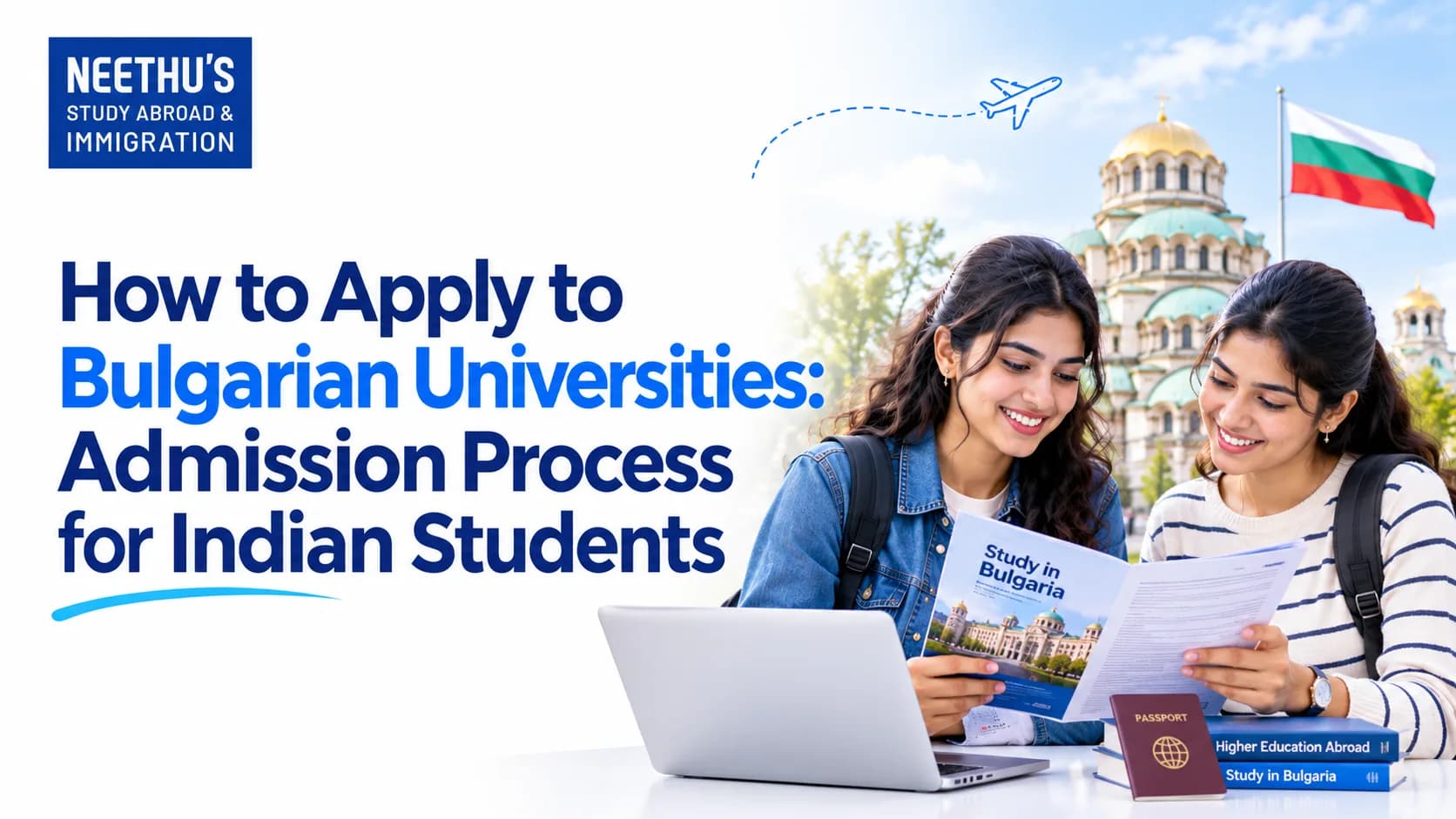
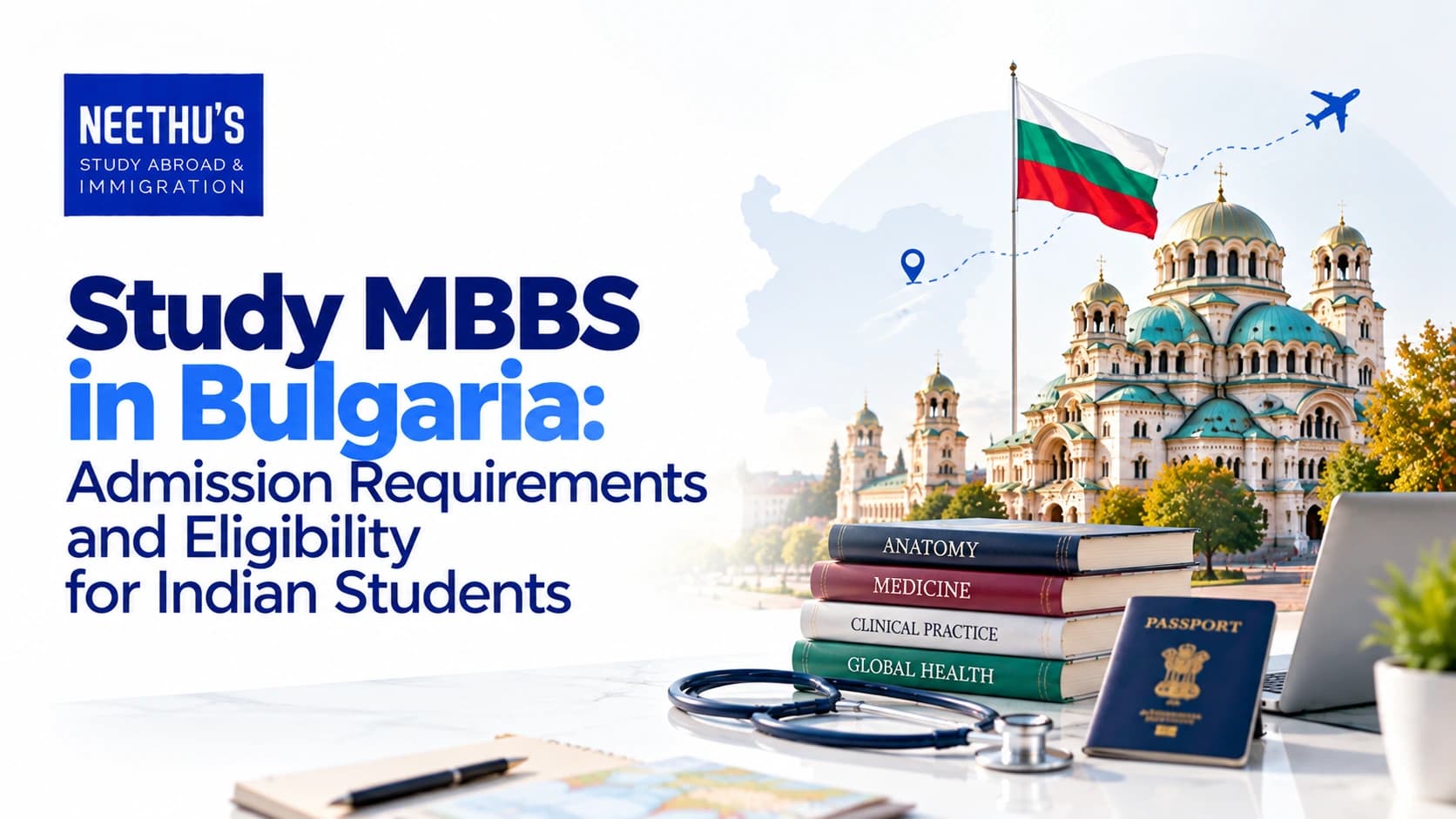
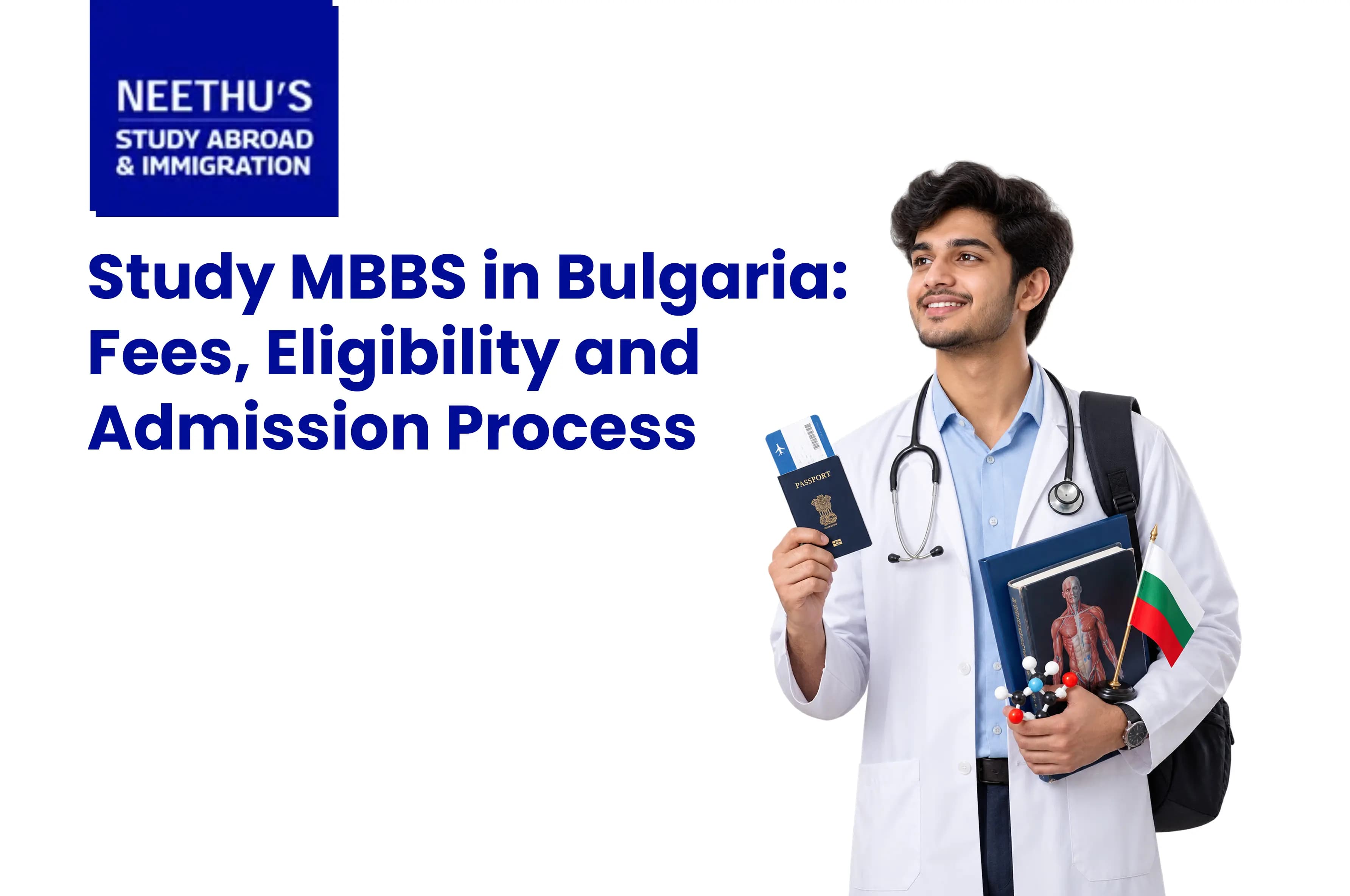
Choosing the right destination for higher education is an important decision for students planning to pursue an international degree. Bulgaria is gradually gaining attention among Indian students because of its European education system, internationally recognised qualifications, diverse academic programmes and comparatively affordable living expenses. The country offers opportunities to study business, engineering, medicine, information technology, hospitality and several other disciplines.
For students looking to explore international education without choosing some of the more expensive destinations, Study in Bulgaria can be an option worth considering. Its universities offer undergraduate and postgraduate programmes, including courses taught entirely in English. Students can also experience European culture, develop international connections and gain exposure to different academic environments.
This guide explains everything Indian students should know about the 2027 intake, including university selection, eligibility, admission procedures, tuition fees, visa requirements and student life.
Bulgaria offers several advantages for international students who want to pursue higher education in Europe. Its universities follow the Bologna education framework and use the European Credit Transfer and Accumulation System (ECTS), supporting academic mobility across participating European countries.
Some important reasons to consider Bulgaria include:
Affordable education: Tuition fees at many institutions are comparatively reasonable, although professional programmes such as medicine can cost considerably more.
English-taught programmes: International students can find bachelor's and master's courses delivered in English.
European learning environment: Students can experience European academic practices and multicultural communities.
Different academic options: Universities offer programmes in medicine, dentistry, engineering, business, economics, computer science and other fields.
International exposure: Living and studying alongside students from different countries helps develop communication and cultural awareness.
For Indian students, Bulgaria provides an opportunity to explore international qualifications while managing educational expenses through careful university and course selection.
Students can select programmes according to their academic backgrounds, interests and future career plans. Several Bulgarian universities offer specialised courses for international applicants.
Popular study options include:
1. Medicine and Dentistry
Medicine and dentistry are among the popular choices for international students. Some Bulgarian medical universities offer programmes in English, making them accessible to students who do not speak Bulgarian. Indian students considering medical education should verify the university's recognition and the applicable National Medical Commission (NMC) requirements before enrolling.
2. Business Administration and Management
Business-related programmes cover subjects such as finance, marketing, international business, management and entrepreneurship. These courses can help students develop commercial knowledge and organisational skills.
3. Engineering
Students interested in technical education can explore mechanical, electrical, civil and computer engineering programmes. These courses combine theoretical knowledge with practical learning.
4. Information Technology and Computer Science
Computer science, software development, artificial intelligence and related technology programmes are suitable for students interested in the growing digital sector.
5. Hospitality and Tourism Management
Bulgaria's tourism industry creates an interesting academic environment for students interested in hotel management, travel operations and hospitality services.
Bulgaria has several public and private higher education institutions offering programmes for international applicants.
Some universities students can research for the 2027 intake include:
Sofia University St. Kliment Ohridski: One of the country's established universities, offering programmes across science, humanities, economics and other disciplines.
Technical University of Sofia: An option for students interested in engineering, electronics, computer systems and technology.
Medical University of Sofia: Offers medical, dental and pharmacy education, including programmes for international students.
Medical University of Varna: Known for its healthcare-related academic programmes.
Plovdiv University Paisii Hilendarski: Provides courses in several academic disciplines, including science, education and humanities.
American University in Bulgaria: Offers undergraduate education in a liberal arts environment, with programmes in business and other fields.
Before applying, students should check programme availability, accreditation, language requirements, tuition fees and admission deadlines directly with the university.
The admission requirements depend on the selected course, university and level of education. However, international applicants generally need to satisfy certain academic and language conditions.
For bachelor's programmes:
Completion of Class 12 or an equivalent recognised qualification.
Academic transcripts and certificates.
Required subject combinations and minimum grades.
English-language proficiency if applicable.
Additional entrance examinations where required.
For master's programmes:
A recognised bachelor's degree in a relevant discipline.
Academic transcripts and graduation certificate.
English-language proficiency evidence, if requested.
Statement of purpose or motivation letter, depending on the university.
Work experience or additional qualifications for selected programmes.
Students applying for medical courses may need to meet specific subject requirements, particularly in biology and chemistry.
Understanding the admission process early can help Indian students avoid documentation delays and prepare their applications properly.
The following steps provide a general overview.
Step 1: Research Universities and Courses
Start by identifying universities that offer your preferred programme. Compare course structures, academic requirements, tuition fees, teaching languages and institutional recognition.
Step 2: Check Eligibility
Review the university's admission criteria carefully. Make sure your previous qualifications, academic scores and language proficiency meet the requirements.
Step 3: Prepare the Required Documents
Commonly requested documents include:
Valid passport copy.
Class 10 and Class 12 certificates, where applicable.
Academic transcripts.
Bachelor's degree certificate for postgraduate applicants.
English-language proficiency evidence.
Medical certificate.
Completed university application form.
Other documents specified by the institution.
Documents may need official translation, notarisation or legalisation, depending on university and government requirements.
Step 4: Submit Your Application
Complete the application form and submit the required documents before the university's deadline. Some institutions may conduct entrance examinations or interviews.
Step 5: Receive Admission Confirmation
After evaluating the application, the university may issue an admission decision. For non-EU applicants, additional administrative procedures are required to obtain the documents needed for the student visa.
Step 6: Apply for a Student Visa
Once the required admission and government documentation is available, students can apply for a Bulgarian long-stay Type D visa through the appropriate Bulgarian diplomatic mission.
Financial planning is an important part of studying abroad. Bulgaria is often considered a comparatively affordable European destination, but the actual expenses depend on the university, programme and city.
The European Commission's Study in Europe country profile provides general tuition ranges of approximately €562–€5,360 annually for bachelor's programmes and €1,945–€5,360 for master's programmes. Certain professional programmes, especially English-taught medicine and dentistry, may have substantially higher fees.
Estimated living expenses:
|
Expense |
Monthly Cost |
|
Accommodation |
€200–€400 |
|
Food and groceries |
€150–€250 |
|
Transportation |
€20–€40 |
|
Personal expenses |
€50–€100 |
|
Other expenses |
€80–€110 |
|
Estimated total |
€500–€900 |
These figures are indicative and may vary depending on the city and lifestyle. Students should also budget for tuition, visa fees, insurance, travel and initial accommodation deposits.
Indian students are non-EU nationals and generally need a Type D long-stay visa to pursue full-time higher education in Bulgaria.
The visa application normally requires:
Valid passport.
University admission and relevant enrolment documentation.
Proof of accommodation.
Evidence of sufficient financial resources.
Valid medical insurance.
Medical certificate.
Visa application form and photographs.
Other supporting documents requested by the embassy.
After arriving in Bulgaria, students must complete the applicable residence permit formalities through the Migration Directorate. Address registration is also required within the specified period.
Students should begin visa preparation early and confirm the latest documentation requirements with the Bulgarian Embassy responsible for India.
International students can explore university-specific scholarships, institutional financial assistance and eligible exchange programmes. However, scholarship availability and eligibility differ between institutions and courses.
Bulgaria also provides certain employment opportunities for international students. Under the applicable rules, non-EU students enrolled in full-time higher education may generally work up to 20 hours per week during the academic year and during official holidays without a separate work permit.
Students should verify the current employment regulations and ensure that part-time work does not interfere with their academic responsibilities.
Student life in Bulgaria combines academic learning with opportunities to explore a different culture. Cities such as Sofia, Plovdiv and Varna offer universities, student accommodation, public transportation, shopping facilities and social activities.
International students can explore historical attractions, local festivals, restaurants and natural destinations during their free time. Learning basic Bulgarian can also make everyday communication easier, particularly when interacting with local communities.
The country's location provides opportunities to travel to other European destinations, subject to applicable travel and immigration requirements.
Students planning to study in Europe should begin their preparations well in advance. Researching universities, checking eligibility, arranging academic documents, and understanding visa requirements can make the application process more organised.
Students from Kerala can also approach study abroad consultants for assistance with university shortlisting, application preparation, documentation, and visa guidance. Before selecting a consultancy, check its experience, transparency, service charges, and knowledge of Bulgarian university requirements.
Working with the Best study abroad consultants in Kerala can help students understand the different stages of international admission and make informed decisions about their education.
Bulgaria offers excellent opportunities for Study in Bulgaria for Indian students, with a variety of academic programmes, English-taught courses, and a comparatively affordable student lifestyle. From medicine and engineering to business and information technology, students can explore different study options that align with their academic interests and future career goals.
However, selecting the right university requires careful consideration of accreditation, course recognition, tuition fees, and career prospects. Indian students planning to pursue higher education in Bulgaria in 2027 should begin their preparations early, understand the admission and visa requirements, and plan their finances before submitting applications.
With proper research, careful planning, and the right university choice, Bulgaria can be a promising destination for Indian students seeking quality education and valuable international exposure.
1. Is Bulgaria a good destination for Indian students in 2027?
Yes. Bulgaria offers various English-taught programmes, European-standard education and comparatively affordable living expenses, making it an option for Indian students.
2. What are the popular courses to study in Bulgaria?
Popular courses include medicine, dentistry, engineering, business administration, computer science, information technology and hospitality management.
3. How much does it cost to study in Bulgaria?
Tuition fees vary by university and programme. General European Commission estimates range from €562 to €5,360 annually for bachelor's courses, while specialised programmes may cost more.
4. Can Indian students study in Bulgaria without IELTS?
Some universities may accept alternative English proficiency evidence or conduct their own assessments. Requirements depend on the institution and programme.
5. What is the student visa requirement for Bulgaria?
Indian students generally require a long-stay Type D visa and must obtain the relevant residence permit after arriving in Bulgaria.
6. Can international students work while studying in Bulgaria?
Eligible full-time non-EU students can generally work up to 20 hours per week during the academic year and official holidays, subject to applicable regulations.
7. Are scholarships available for Indian students in Bulgaria?
Yes. Some universities and institutions offer scholarships or financial assistance. Availability depends on academic performance, programme and eligibility criteria.
8. What is the average monthly living cost in Bulgaria?
Students should generally budget around €500–€900 per month, depending on accommodation, location and personal expenses.
9. Can Indian students study medicine in Bulgaria?
Yes. Several Bulgarian medical universities offer English-taught medical programmes. Students should verify university recognition and NMC eligibility requirements before admission.
10. When should Indian students apply for the 2027 intake in Bulgaria?
Students should begin researching universities and preparing documents several months before their intended intake. Actual application deadlines vary between institutions.